Forklift Forks vs Pallet Rollers: Stability Comparison
Forklift forks offer rigid support for heavy, rectangular loads, while pallet rollers handle bulk or irregular items with sliding ease. Stability depends on load shape, weight distribution, and travel distance. Choose forks for precise stacking and rollers for high-volume bulk movement.
- Forks provide fixed, high-stability support for heavy, rectangular loads but require pallet or skid preparation.
- Pallet rollers slide bulk or irregular loads with low friction but offer minimal lateral support during travel.
- Load shape, weight distribution, and travel distance determine which attachment maintains stability.
- Operators must match attachment type to load characteristics and floor conditions to prevent shifts or drops.
- Regular inspection of both forks and rollers prevents structural failure and ensures consistent handling performance.
Forklift forks and pallet rollers solve different stability problems. Forks grip a load from below with rigid steel or aluminum blades, holding weight in fixed positions. Rollers sit on a pallet or base plate and allow loads to slide with low friction. The choice between them depends on load shape, weight, and how far the load travels. Misunderstanding this difference leads to load shifts, damaged goods, and operator errors.
How Forks Hold a Load
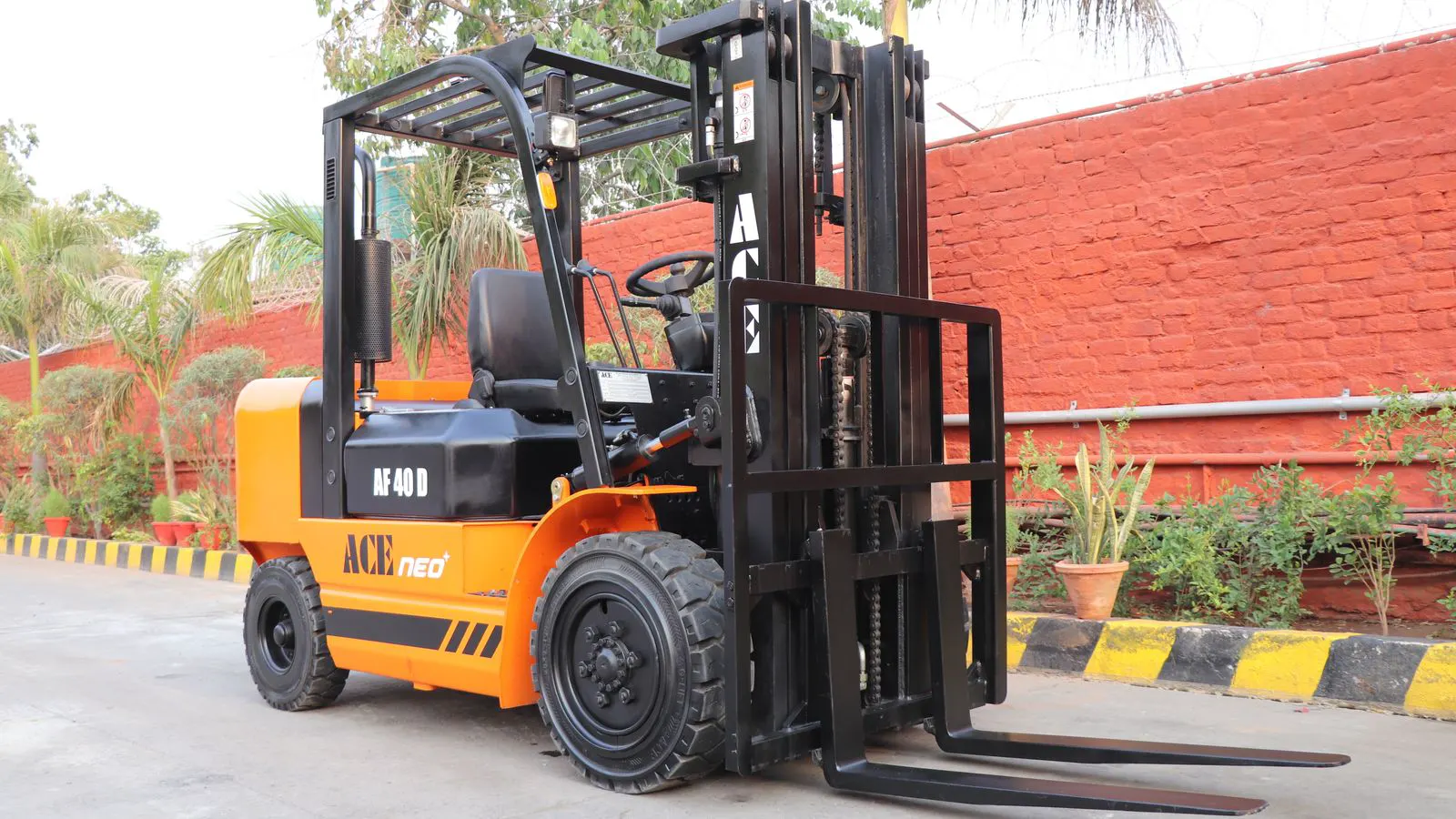
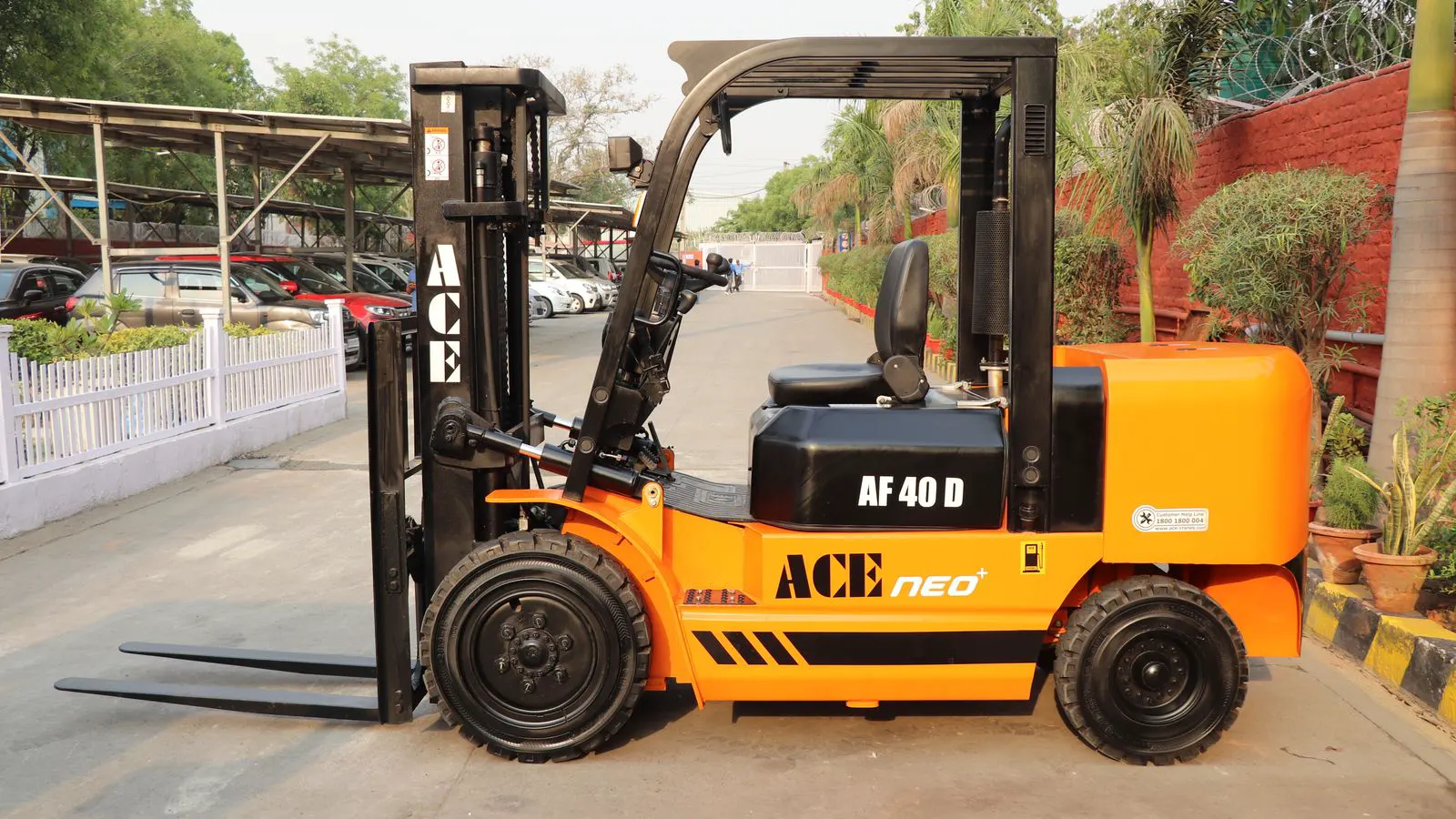
Standard forklift forks use two parallel blades that slide into a pallet or sit under a skid. The blades are typically made of high-strength carbon steel, heat-treated to resist bending. When the forks lift a load, the weight transfers through the blade tips into the mast and carriage structure. Stability comes from the fixed contact points. The load cannot slide forward or sideways because the blades block movement.
This fixed support works well for rectangular loads. A pallet of boxes, a container of canned goods, or a steel plate on a skid all sit predictably on fork tips. The operator controls height and tilt, and the load stays aligned with the mast. For heavy loads, forks distribute weight across a broad contact area, reducing point stress. The structural design of the mast and overhead guard also contributes to stability, but the forks themselves provide the primary load path.
Forks have limitations. They require a defined base. A round drum or an irregularly shaped machine will not sit flat on fork blades. Without a pallet or specialized adapter, the load may tip or roll. Forks also add height to the stack. Each lift increases the center of gravity, which reduces the stability triangle and limits safe tipping angles. Operators must lower the load to the floor for long horizontal travel to keep the center of gravity low.
How Pallet Rollers Support a Load
Pallet rollers, also called roller pallets or roller plates, use a row of cylindrical or spherical rollers mounted on a base. The rollers rotate as the load moves, converting sliding friction into rolling friction. This reduces the force needed to push or pull the load. Operators use a forklift pusher, a tugger, or a powered pallet jack to move the load across the floor.
The stability of a pallet roller setup depends on the load pressing down on the rollers. The weight of the cargo compresses the roller bearings and maintains contact. There is no fixed grip. The load can slide if the force exceeds the rolling resistance. Lateral support is minimal unless the rollers are mounted in a frame with raised edges or a guide rail. A pallet roller system is best for loads that sit flat and evenly.
Rollers are common in bulk material handling. Bags of grain, drums of liquid, and palletized components with uniform weight distribution work well. The low friction allows the load to move with small forces, which reduces wear on the forklift and the floor. However, the load is not locked in place. Any sudden stop, sharp turn, or uneven floor can cause the load to shift. Operators must approach the load slowly and maintain a consistent speed.
The roller base itself is a structural element. It is usually made of steel or aluminum and must support the full weight of the load plus the forklift pusher. The rollers are mounted on bearings that allow smooth rotation. Worn bearings or damaged rollers increase friction and can cause the load to jerk or stop abruptly, which destabilizes the cargo. Regular inspection of roller bearings and base plates is necessary to maintain safe operation.
Stability Comparison for Different Load Types
The table below compares forks and pallet rollers across common load scenarios. The comparison focuses on load stability during lift, travel, and set-down.
| Option | Best for | Limitations |
|---|---|---|
| Forklift forks | Heavy, rectangular loads on pallets or skids; precise stacking; short travel distances | Requires defined base; limited lateral support for irregular shapes; increased stack height reduces stability |
| Pallet rollers | Bulk loads; irregular or round items; long travel distances; low-force pushing | Minimal lateral support; load can slide during stops or turns; requires even weight distribution |
| Forks with roller adapters | Loads that need sliding on a pallet with fixed support | Higher cost; added complexity; limited by adapter compatibility |
| Rollers with guide rails | Bulk loads that must stay centered during travel | More expensive; limited to straight paths; guide rails can damage pallets |
| Standard pallets with forks | General warehouse operations; mixed load types | Pallets must be intact; added handling time for load and pallet management |
Forks dominate in environments with heavy, standardized loads. A manufacturing plant moving steel plates or a distribution center moving boxed goods will rely on forks. The fixed support prevents load movement during lift and set-down. The operator can tilt the forks to secure the load or to clear obstacles. This control is difficult to replicate with rollers.
Rollers dominate in bulk handling and long-distance movement. A grain elevator moving bags of feed or a chemical plant moving drums uses rollers to reduce the force needed for transport. The load slides smoothly, and the operator can control speed with a pusher. The trade-off is reduced stability. The load must be monitored at all times. Any change in floor grade or load distribution can cause a shift.
When to Pick Forks for Stability
Forks are the right choice when the load is heavy and rectangular. The rigid blades provide a fixed support that locks the load in place. This is critical for loads that cannot tolerate movement. A stack of glass bottles, a pallet of electronic components, or a container of fragile goods will shift if even a small lateral force acts on it. Forks prevent this by blocking movement at the contact points.
The operator also benefits from the structural rigidity of the fork assembly. The mast and carriage are designed to handle high loads without deformation. The forks transfer weight directly into the forklift frame, which is engineered for this purpose. With rollers, the weight transfers through the roller base into the floor, and the forklift pusher provides the horizontal force. The force path is different, and the stability depends on the friction between the rollers and the load.
Forks are also easier to inspect. The blade tips, heel, and weld points are visible and can be checked with a simple visual inspection and a measured deflection test. Any damage is obvious. A bent blade or a cracked heel must be removed from service. Roller inspection focuses on bearing wear, roller rotation, and base plate integrity. Both require regular checks, but forks offer more direct feedback on structural health.
When to Pick Pallet Rollers for Stability
Pallet rollers are the right choice when the load is bulk and the travel distance is long. The low friction of rollers reduces the force needed to move the load, which lowers the risk of operator fatigue and floor damage. In a grain facility, a pallet of bags can be moved across a long aisle with a forklift pusher. The bags slide smoothly, and the operator can control the speed. The stability comes from the even weight of the bags pressing down on the rollers.
Rollers also handle loads that do not fit on standard pallets. A round drum or a long pipe can be placed on a roller base without a custom pallet. The rollers support the load from below and allow it to roll. This is useful in plants where loads are irregular or where pallets are not practical. The operator can position the load precisely by controlling the pusher.
The key to stability with rollers is weight distribution. The load must sit flat and evenly on the roller base. If one side is heavier, the rollers will tilt, and the load will shift. The base plate must be level. The rollers must rotate freely. Any obstruction or wear in the bearings creates uneven resistance, which destabilizes the load. Operators must be trained to recognize these signs and stop the load before a shift occurs.
Operational Checks and Maintenance
Both forks and pallet rollers require regular inspection to maintain stability. Forks are checked for blade tip wear, heel cracks, weld integrity, and deflection under load. A fork that deflects more than the manufacturer’s limit must be replaced. The load rating of the forks is based on the mast geometry and the fork length. Exceeding the rating reduces stability and can cause failure.
Pallet rollers are checked for bearing wear, roller rotation, and base plate integrity. The bearings must rotate freely without noise or stiffness. The rollers must be level and aligned. The base plate must not be cracked or warped. A damaged base changes the load path and can cause the load to tip. Both attachments must be inspected before each shift. Operators should report any damage immediately.
The floor condition also affects stability. A rough or uneven floor increases friction for rollers and can cause forks to catch on debris. Both attachments perform better on smooth, level floors. The operator must be trained to match speed to floor conditions. A slow speed reduces the risk of load shift for both attachments.
Cost and Practical Considerations
Forklift forks are a standard part of the forklift and are usually included with the machine. Replacing a pair of forks is a routine maintenance cost. The cost depends on the load rating and the material. High-strength steel forks cost more than standard steel but last longer in heavy service. The lead time for replacement forks is short, and they can be installed quickly.
Pallet rollers are an attachment or accessory. They are not part of the forklift itself. The cost depends on the size, material, and roller type. A basic roller base is less expensive than a roller base with guide rails or heavy-duty bearings. The lead time for rollers can be longer than for standard forks, especially for custom sizes. The operator must also consider the force needed to move the load. A roller setup reduces the force, but it requires a pusher or a powered jack.
The choice between forks and rollers also affects warehouse layout. Forks require clear vertical space for lifting. Rollers require clear horizontal space for sliding. The floor must be level and free of obstacles. Both attachments require space for the load to be set down and picked up. The operator must plan the path to avoid collisions and to maintain control.
Final Selection Criteria
The decision between forklift forks and pallet rollers comes down to the load and the environment. If the load is heavy, rectangular, and requires precise stacking, forks provide the stability needed. The fixed support prevents movement and allows the operator to control the load with tilt and height. If the load is bulk, irregular, or must travel long distances, pallet rollers provide the low-friction movement needed. The load slides smoothly, and the operator can control the speed.
Both options require inspection and maintenance. A damaged fork or a worn roller can cause a load shift or a drop. The operator must be trained to recognize the signs and to stop the load before a failure occurs. The stability of the attachment is only as good as the condition of the equipment and the skill of the operator.
Choose forks for controlled, high-stability handling of standardized loads. Choose rollers for low-force, long-distance movement of bulk loads. Match the attachment to the load shape, weight, and travel distance. The right choice keeps the load stable and the operation safe.
Frequently asked questions
Which is more stable for a heavy pallet load?
Forklift forks are generally more stable for heavy pallet loads because they provide fixed support. The rigid blades block lateral movement, which prevents the load from shifting during lift and travel.
Can I use pallet rollers for a load that is not evenly weighted?
No. Pallet rollers rely on even weight distribution to keep the load stable. An uneven load will tilt the rollers and cause the cargo to shift or tip.
Do forks require a pallet to support the load?
Usually. Forks need a defined base to grip the load. A pallet or skid provides the flat surface required for stable support. Without a base, the load may not sit flat on the blades.
What is the main advantage of pallet rollers over forks?
Pallet rollers reduce friction, which lowers the force needed to move the load. This is useful for long travel distances and for loads that are difficult to lift.
How often should I inspect forklift forks and pallet rollers?
Both should be inspected before each shift. Forks are checked for blade tip wear, heel cracks, and deflection. Rollers are checked for bearing wear, rotation, and base plate integrity.