Comparison: Fast Charging vs Overnight Charging for Lithium Forklifts
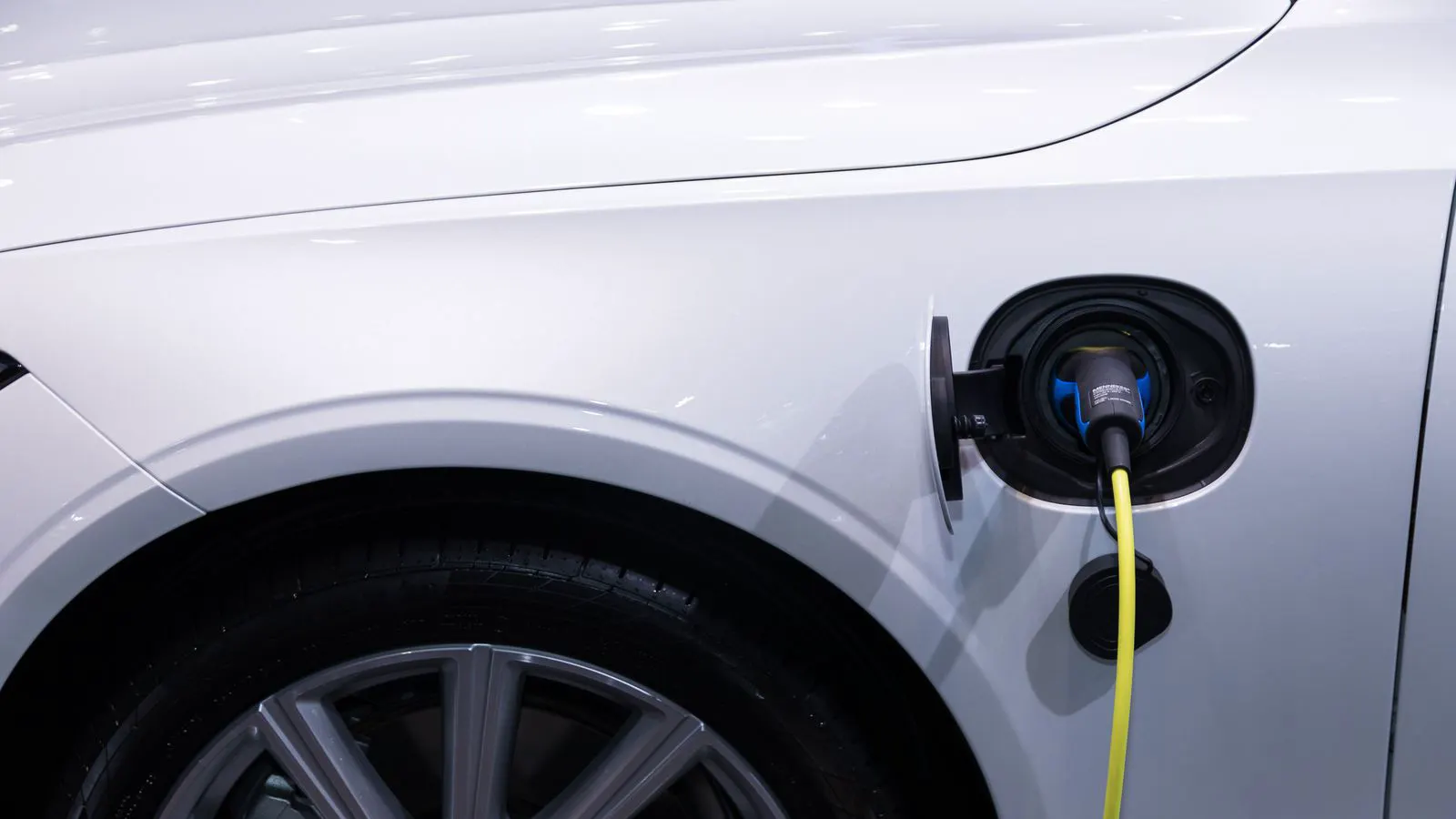
Fast charging fits multi-shift operations with limited dock space but raises electrical infrastructure costs. Overnight charging suits single-shift or two-shift fleets with lower capital outlays and simpler maintenance.
- Fast charging reduces dock occupancy and enables multi-shift operations.
- Overnight charging lowers upfront electrical investment and simplifies site design.
- Lithium chemistry supports both methods, but charger output determines the choice.
- Facility power capacity and shift patterns are the primary decision drivers.
- A hybrid approach using opportunity charging can balance both models.
What the two charging methods actually do
Fast charging delivers a full or partial state of charge in under one hour. This keeps forklifts moving between shifts or during short breaks. Overnight charging runs at a slower rate for six to ten hours, usually overnight, to restore capacity before the next workday. Both use lithium battery packs, but the electrical demand differs significantly.
The choice between the two depends on how many shifts run, how much floor space is available for charging, and what the site’s electrical service can handle. A warehouse running three shifts with tight yard space will feel the pain of a forklift parked at a charging dock for four hours. A single-shift operation may find that a standard overnight charger meets every requirement at lower cost.
How the electrical infrastructure differs
Overnight charging typically uses lower amperage draw. A single 48V or 80V charger might pull 20 to 50 amps, depending on pack size and charge profile. Fast chargers can draw two to three times more current to complete the cycle quickly. This changes the wiring, breaker sizes, and panel load on the facility’s main service.
In a multi-bay layout, fast charging multiplies the electrical load per square meter. An electrical engineer will need to calculate the total simultaneous demand, not just the sum of individual chargers. If the facility was built for a smaller number of high-current loads, adding fast chargers may require a service upgrade. That upgrade adds lead time and capital cost before the first forklift runs on the new system.
Overnight charging spreads the load over a longer period. The current draw is lower, so existing panels can often absorb the load without modification. This makes it a lower-risk option for older facilities or those with limited electrical capacity. The trade-off is that the forklift sits idle during the charging window.
Operational impact on shift patterns
The shift pattern drives the decision more than battery chemistry. A single-shift operation can charge overnight and start the next day at full capacity. Two-shift operations can charge overnight and use a small buffer pack or partial charge during the shift change. Three-shift operations usually require fast charging or opportunity charging to keep the fleet moving.
With fast charging, a forklift can return to a dock for a 15 to 30 minute top-up. This is sometimes called opportunity charging. The operator pulls the truck to the charger, plugs in, waits, and returns to work. The battery never fully discharges, which keeps the pack in a healthier state of charge. It also means the dock is occupied for a short time, which can be managed in a tight layout.
Overnight charging forces a different workflow. The forklift must be parked at the charger for the entire overnight period. If the facility runs two shifts, the second shift may need to use a different set of trucks or accept a lower initial charge. Some facilities use a hybrid setup where the first shift charges overnight and the second shift uses fast chargers during the shift change. This adds complexity but can reduce the need for a large number of extra trucks.
The comparison table
| Option | Best for | Limitations |
|---|---|---|
| Overnight charging | Single shift, two shift with buffer, limited electrical capacity | Requires dedicated dock space, long idle time, no mid-shift recovery |
| Fast charging | Three shift, high throughput, tight floor space | High electrical load, higher charger cost, more complex installation |
| Opportunity charging | Multi-shift with short breaks, mixed workload | Requires charger placement near work areas, frequent plug/unplug cycles |
| Hybrid overnight plus fast | Facilities transitioning from single to multi-shift | Higher capital cost, requires planning for both charger types |
| Battery swapping | Extreme high throughput, zero dock time | High initial pack cost, requires swapping infrastructure, not a charging method |
Capital and operational cost trade-offs
The upfront cost of a fast charger is higher than a standard overnight charger. The difference is not just the charger itself. The electrical work to support the higher current draw can be a larger expense. A facility may need new breakers, thicker cable, and a larger panel. The electrician’s labor and the utility company’s service upgrade can take weeks or months.
Operating cost is lower with fast charging because the trucks spend more time working and less time waiting. The cost of the electricity is similar per kilowatt-hour, but the throughput is higher. A forklift that charges for 20 minutes instead of 8 hours generates more revenue per day. That return on investment is the main argument for fast charging in high-volume environments.
Overnight charging has a lower capital cost. The electrical work is simpler, and the chargers are cheaper. The hidden cost is the idle time. If a facility needs one extra forklift in the fleet to cover the overnight charging window, that is a capital cost. If the dock space is tight, the facility may need to build a dedicated charging area, which adds construction cost.
When to pick each approach
Pick overnight charging when the facility runs one shift or two shifts with a manageable gap between them. The electrical service is already adequate. The floor space is limited, but the trucks can be parked overnight without blocking aisles. The budget is focused on the forklifts themselves rather than infrastructure upgrades. The team prefers a simple, predictable routine where the trucks are charged and ready at a fixed time.
Pick fast charging when the facility runs three shifts or requires continuous operation. The floor space is tight, and every hour a truck sits at a dock is lost productivity. The electrical service can support the higher load, or the capital budget includes the upgrade. The throughput is high enough that the return on investment for faster cycles is clear. The team can manage the plug/unplug cycles and the charger placement.
A hybrid approach makes sense when a facility is growing. Start with overnight charging for the base fleet. Add fast chargers at specific points where the workload is highest. Use opportunity charging for the trucks that need mid-shift recovery. This avoids a full-scale electrical upgrade and allows the facility to test the operational fit before committing to a full fast-charging layout.
Maintenance and long-term considerations
Lithium batteries handle both charging methods well, but the charger quality matters. A poorly designed fast charger can stress the battery management system if it does not follow the correct charge profile. A standard overnight charger is simpler and less likely to cause issues. The maintenance team should review the charger documentation and the battery management system logs to confirm the charge cycles are healthy.
The physical wear on the connectors is higher with fast charging. More plug/unplug cycles mean more wear on the connector pins and the cable strain. The team should inspect the connectors regularly and replace them before they fail. This is a small cost but prevents downtime.
The site layout also changes over time. A facility that starts with overnight charging may find that the dock space becomes a bottleneck as throughput increases. Planning the electrical service for future fast charging, even if it is not used immediately, can save cost later. Leaving the conduit and panel space open for higher current loads is a simple step that avoids a major retrofit down the line.
Final decision framework
The decision comes down to three questions. How many shifts run, and how much dock time can the operation tolerate? What is the electrical capacity of the facility, and what is the cost to upgrade it? What is the capital budget, and what is the expected return on throughput?
If the answers point to high throughput and tight space, fast charging is the practical choice. If the answers point to steady, predictable operation with limited budget, overnight charging is the right fit. The lithium battery chemistry supports both, so the decision is not about the battery. It is about the operation, the facility, and the budget.
The best approach is often a mix. Use overnight charging for the base fleet. Use fast charging for the high-demand units. Use opportunity charging for the short breaks. This gives the facility flexibility and avoids locking itself into a single model that may not fit the operation’s future needs. The goal is to keep the forklifts moving and the docks clear.
Frequently asked questions
Can a lithium forklift be charged both overnight and during the day?
Yes. Many facilities use overnight charging for the base cycle and add fast or opportunity charging for mid-shift recovery. This requires the charger to support both profiles.
Does fast charging reduce battery life for lithium packs?
Lithium packs handle high-rate charging well when the charger follows the correct profile. The main risk is a poorly designed charger or a battery management system that does not limit the charge current properly.
How much more does a fast charger cost than an overnight charger?
The charger unit itself is more expensive, but the electrical infrastructure is often the larger cost. The total installed cost can be significantly higher due to wiring, breakers, and panel upgrades.
Can a facility switch from overnight to fast charging later?
Yes, but it requires an electrical upgrade. The facility should plan the conduit and panel space for higher current loads if there is any chance of adding fast chargers later.
Is battery swapping a better alternative to fast charging?
For extreme high-throughput operations, swapping can reduce dock time to zero. It requires a different infrastructure and a larger initial capital outlay for the packs. It is a different model, not a direct replacement for charging.