Forklift Financing Costs and Lease Terms Explained
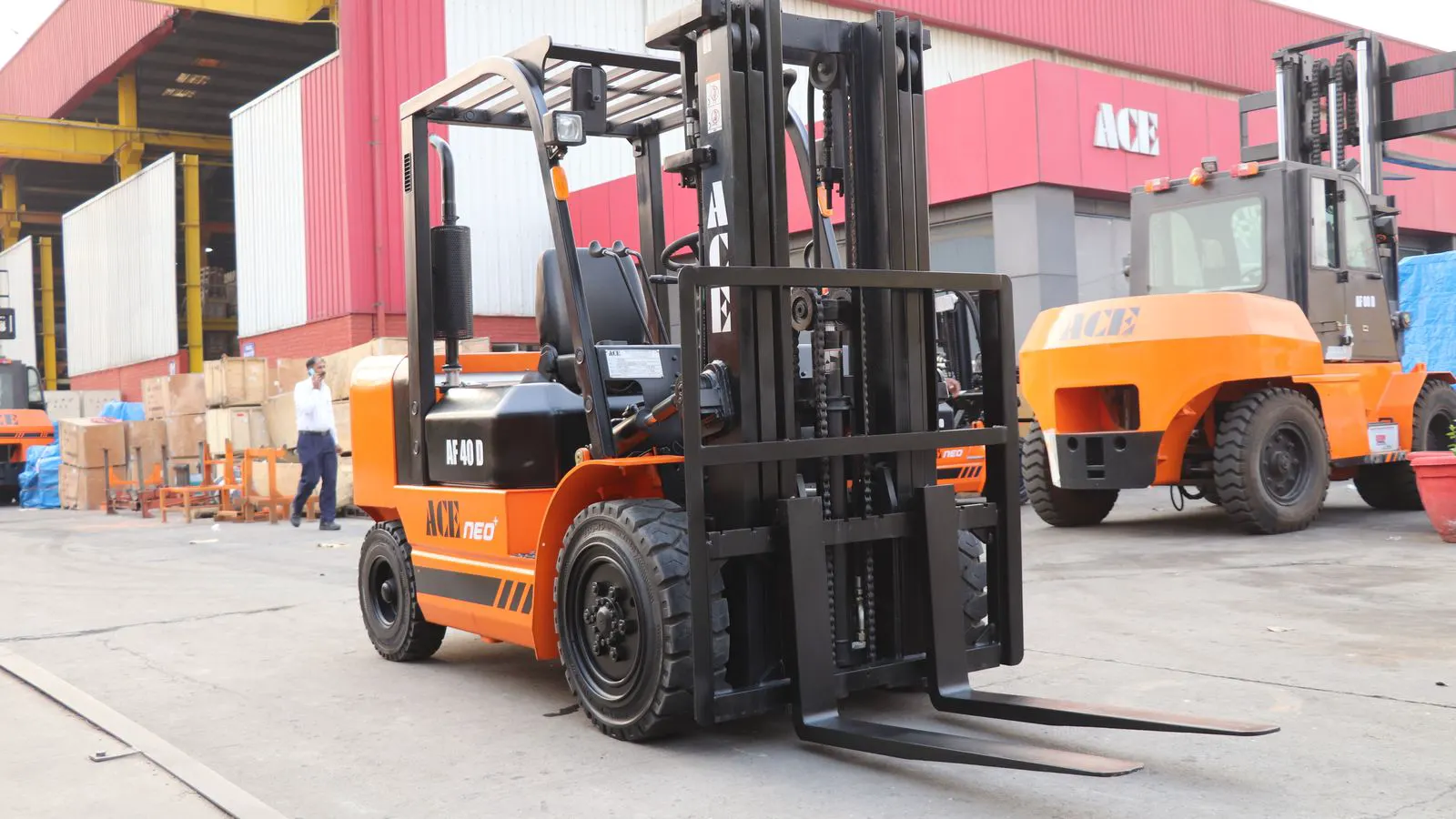
Forklift financing and leasing differ in upfront cost, long-term expense, and operational flexibility. Purchasing offers asset control but requires maintenance planning. Leasing lowers initial capital outlay but adds recurring fees. The best choice depends on usage patterns, budget structure, and equipment lifespan.
- Total cost of ownership includes purchase price, maintenance, downtime, and disposal, not just the sticker price.
- Lease terms often shift maintenance and insurance responsibilities, which can lower risk but reduce long-term savings.
- A clear RFQ should specify usage hours, expected lifespan, and service requirements to get accurate quotes.
- Compare quotes by normalizing annualized costs per operating hour, not just monthly payments.
- Lead times and warranty coverage should be written into the contract to avoid delivery or repair delays.
What drives the base price of a forklift
The sticker price on a forklift reflects more than the chassis and motor. It includes the specific lift capacity, travel speed, and body style. A compact reach truck for tight warehouse aisles costs differently than a counterbalance truck designed for heavy pallets.
Vehicle architecture sets the baseline. Electric counterbalance trucks require heavy lead acid or lithium packs, which add significant weight and cost. Internal combustion trucks need engines, fuel tanks, and exhaust systems. A diesel or propane unit will generally cost more than a comparable electric model because of the engine complexity and emission controls.
Lift capacity drives the component size. Moving 2,000 kg requires thicker mast sections, stronger lift chains, and a larger motor than a 1,000 kg unit. If you need a high-lift configuration, such as a 7-meter reach truck, the price increases sharply due to the length of the mast and the power required to extend it.
Battery type changes the number. Electric trucks vary based on battery chemistry and pack size. Lithium-ion packs are lighter and charge faster, but they carry a higher upfront cost than lead-acid batteries. Lead-acid batteries require a forklift with a specific weight distribution and a larger charging station infrastructure. For internal combustion units, fuel capacity and engine displacement matter. A larger engine allows for higher travel speeds and faster acceleration, which increases the base price.
Dealer markup and regional logistics add to the final invoice. Shipping a truck from a distant factory to a specific site increases the price. Local dealers may charge more for service integration, which can be worth it if you need same-day repairs. If the truck must be configured with specific attachments, such as a pallet splitter or a rotator, the price rises. These attachments are not standard, and the dealer must source and install them separately.
How lease terms change the cost structure
Forklift leasing shifts the expense from a single large payment to a series of monthly payments. The lease term usually ranges from 12 to 60 months. Shorter terms mean higher monthly payments but faster replacement of aging assets. Longer terms lower the monthly cost but lock you into a specific model.
Leasing often includes maintenance, insurance, and taxes in the monthly fee. This simplifies budgeting because you do not need to reserve cash for sudden repairs. However, you do not own the asset. When the lease ends, you must return the truck or pay a buyout price.
The residual value calculation is critical. The lessor estimates what the forklift will be worth at the end of the lease. If the estimate is high, the monthly payment is low. If the estimate is low, the payment is high. This estimate changes based on the age of the fleet and market demand for used trucks.
Some leases include mileage or usage limits. Exceeding those limits triggers additional fees. If your operation runs a forklift for 2,500 hours per year, the lease must be sized for that volume. A lease built for light use will become expensive if you increase production. You should specify the expected annual hours in the contract to avoid overage charges.
Purchasing versus leasing: the cost trade-off
Buying a forklift requires a large upfront payment or a loan. The total cost includes the vehicle price, delivery, registration, and initial modifications. You also cover maintenance, parts, and downtime.
Leasing spreads the cost over time. You pay for usage and service. The trade-off is that you do not build equity. If the truck lasts five years, the lease may cost more than buying, because the lender or lessor prices in the asset’s residual value.
The decision depends on your cash flow. If you have strong capital reserves, buying may be cheaper in the long run. If you need to keep cash available for other projects, leasing offers flexibility. Buying allows you to customize the truck over time. You can add attachments or upgrade the battery without consulting a lessor.
A simple rule applies here. If you expect to use the forklift for more than half its expected lifespan, buying often wins. If you need to swap equipment every two to three years, leasing may fit better. Consider the total cost of ownership, not just the monthly payment.
How to write a clear RFQ for financing quotes
A vague request for a quote leads to vague answers. A clear RFQ gives the supplier the data they need to build an accurate proposal.
Include these details in your request:
- Model type and capacity: State the lift class, payload, and travel speed.
- Usage pattern: List expected annual operating hours.
- Service needs: Specify warranty duration and maintenance frequency.
- Payment structure: Ask for options like purchase, lease, or hybrid.
- Delivery timeline: State your target date and site conditions.
- Disposal plan: Explain what happens at end of term.
A supplier who cannot answer these questions accurately may not be the right partner. Ask for a breakdown of every cost. Do not accept a single monthly number without seeing the components.
A detailed RFQ forces the supplier to think through the specifics. If you ask for a 3-year lease with maintenance included, the supplier will calculate the cost of parts and labor separately. If you ask for a purchase with a loan, they will apply interest rates based on your credit profile. The more data you provide, the more accurate the quote will be.
How to compare quotes fairly
Do not compare monthly payments alone. A lower monthly fee can hide high end-of-lease costs or short warranties.
Normalize every quote into an annualized cost per operating hour. This removes the distortion caused by different lease lengths and payment schedules.
Check the following points:
- Total cost of ownership over three years.
- Maintenance coverage: What is included, and what costs extra?
- Downtime policy: How is repair time compensated?
- Insurance and taxes: Are they bundled or separate?
- Residual value: What is the buyout price at the end of the lease?
- Delivery and installation: Who pays for setup and training?
If a quote lacks these details, ask for them before signing. A supplier who resists transparency may have hidden fees. Compare the warranty terms carefully. One supplier may offer a 24-month warranty, while another offers 36 months. The longer warranty reduces your risk of major repairs.
Also look at the service level. Does the supplier offer 24-hour response times? Do they have a local parts warehouse? A cheaper quote that results in a two-week repair delay can cost more in lost production than a higher quote with a 24-hour response.
A table of key cost drivers
| Cost Driver | Purchase Impact | Lease Impact |
|---|---|---|
| Vehicle Price | Full upfront or loan amortization | Spread over monthly payments |
| Maintenance | Owner pays for parts and labor | Often included in the fee |
| Insurance | Separate policy and premium | Bundled into the lease fee |
| Downtime | Lost production and repair cost | May be covered by service plan |
| Residual Value | You hold or sell the asset | Buyout price or return obligation |
| Delivery | One-time shipping and setup fee | May be included in first payment |
Lead time and delivery considerations
Delivery time affects your total cost. A delayed truck means you rent a replacement or slow production. Factor this into the budget.
Ask the supplier for the confirmed lead time. Check if the date is guaranteed or an estimate. Some dealers offer expedited shipping for a fee. Others hold stock in local warehouses, which shortens delivery.
Write the delivery date into the contract. Include a penalty if the truck arrives late. This gives the supplier a reason to prioritize your order.
Also consider site readiness. If your floor needs reinforcement or charging stations need installation, those tasks take time. Coordinate with your facility team before signing the financing agreement.
If you are buying a new model that is not in stock, the lead time can be longer than a standard model. The supplier may need to order parts or wait for a shipment from the factory. This can add weeks to the delivery date.
Managing risks in forklift financing
The biggest risk in any deal is unexpected cost. A forklift that breaks down frequently can wipe out any savings from a low lease rate.
Mitigate this risk with clear service terms. Ask for a response time for repairs. If the truck is down for more than 48 hours, the contract should specify how the supplier handles the situation.
Check the warranty terms. Some warranties require annual inspections to stay valid. If you miss a check, a major repair may be out of pocket.
Also review the termination clause. If your business changes, can you return the forklift early? Early termination fees can be high. Know the rules before you commit.
Consider the risk of technology change. If you lease a truck for five years, the technology may change during that time. Newer models may be more efficient or have better safety features. Buying gives you the freedom to upgrade when the old truck reaches the end of its useful life.
Final check before signing
Before you sign, walk through the contract with your finance team. Verify every number. Confirm that the monthly payment includes all expected charges.
Make sure the contract states the exact model and serial number. Avoid generic descriptions.
Check the dispute resolution process. If there is a problem, how is it handled?
Keep a copy of the RFQ, the quote, and the final contract in one place. This creates a paper trail that helps when issues arise.
The goal is not to find the cheapest payment. The goal is to find the term that matches your operation. If the numbers align with your usage and budget, the deal works. If they do not, ask for a revision before you sign.
Frequently asked questions
What is the difference between forklift financing and forklift leasing?
Financing usually involves a loan or purchase with a large upfront payment. Leasing spreads the cost over monthly payments and often includes maintenance.
How do I decide if leasing is better than buying?
Compare the total cost over the expected lifespan. If you use the truck heavily and keep it long, buying may be cheaper. If you need flexibility or have limited cash, leasing may fit.
What should I include in my forklift financing request?
Include the model type, payload, annual operating hours, service needs, payment options, and delivery date. This helps suppliers give accurate quotes.
Are taxes and insurance included in lease payments?
This varies by supplier. Some leases bundle these costs into the monthly fee. Others list them as separate charges. Always ask for a full cost breakdown.
What happens when the lease term ends?
You usually return the forklift or pay a buyout price. The contract will state the exact terms. Check the residual value before you sign.