How to Maintain a Gas Powered Forklift for Peak Efficiency
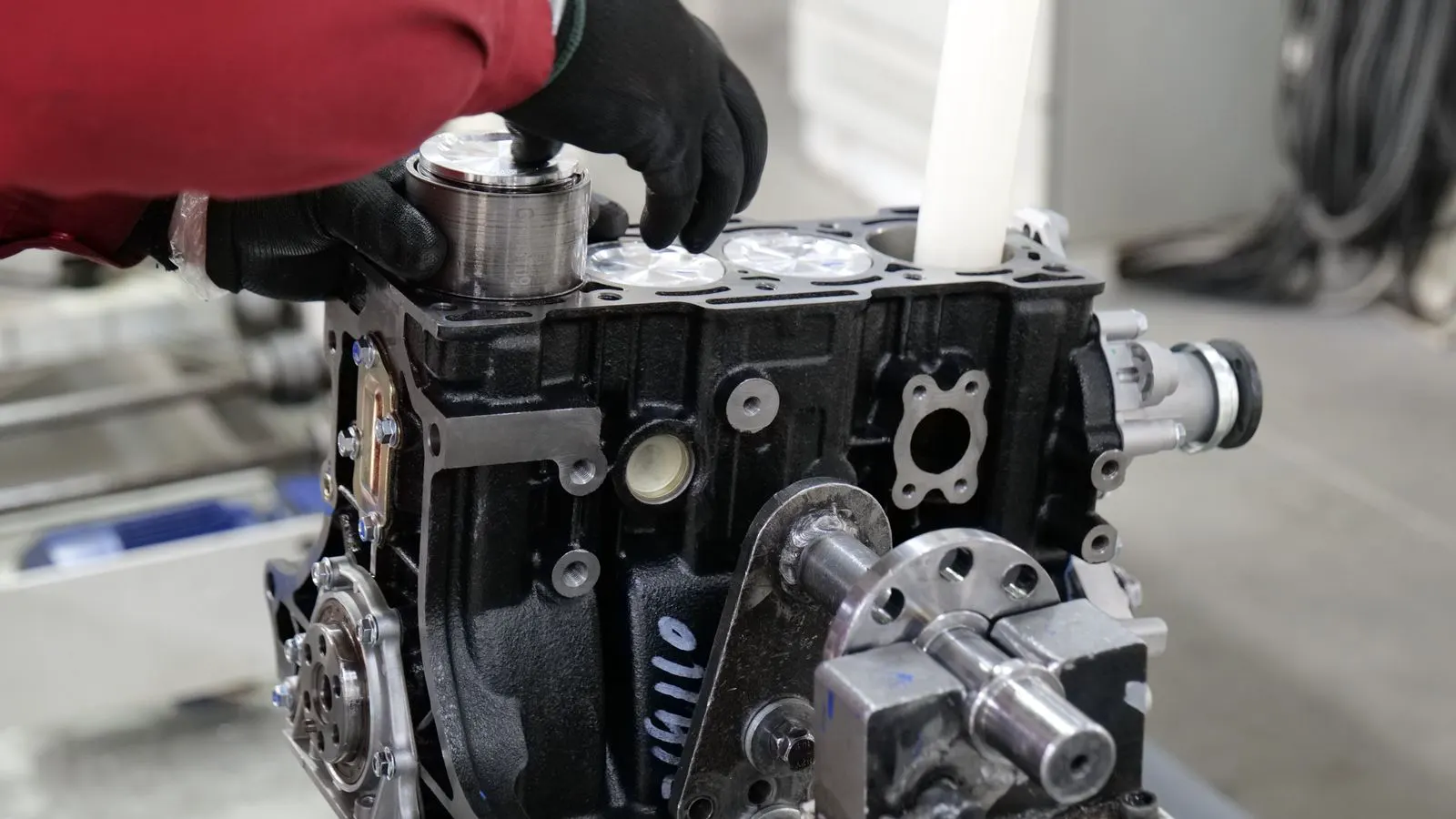
Maintaining a gas powered forklift requires a strict routine for engine oil, air filters, spark plugs, and cooling systems. This guide breaks down the steps needed to protect the internal combustion engine and maximize fuel economy.
- Check engine oil, coolant, and transmission fluid levels before every shift.
- Replace air filters and spark plugs on a fixed schedule to prevent carbon buildup.
- Inspect the cooling system for leaks and keep the radiator fins free of debris.
- Use the correct fuel grade and monitor idle settings to avoid excess fuel use.
Why Engine Care Determines Fuel Efficiency
A gas powered forklift is a complex mechanical system that burns fuel to create motion. When the engine runs clean and the air intake is clear, the combustion process is efficient. When carbon builds up or the air filter gets clogged, the engine works harder for the same output. This extra workload increases fuel consumption and shortens component life. The cylinder walls and valve seats suffer from incomplete combustion, depositing carbon that further restricts airflow and alters the air-fuel ratio.
Most operators treat maintenance as an afterthought until a problem appears. This approach leads to expensive repairs and unnecessary downtime. A structured routine protects the investment and keeps the unit moving. The following steps outline a practical maintenance plan for a gas engine.
Before You Start: Tools and Safety
You need a few basic tools to perform these checks. A set of socket wrenches, a torque wrench, a funnel, and clean rags are standard. You should also have the operator manual for your specific model. The manual lists the exact oil viscosity, spark plug gap, and service intervals for your unit. Keep the manual within arm’s reach. Do not guess specifications.
Park the forklift on level ground. Engage the parking brake. Turn off the engine and remove the key. Allow the engine to cool down before touching hot components. The exhaust manifold and radiator area can cause severe burns. Wear safety glasses and gloves. The fuel system operates under pressure and can cause chemical burns.
Step 1: Check and Top Up Engine Oil
Start with the engine oil. Pull the dipstick, wipe it clean, and reinsert it. Check the level. If it is below the minimum line, top it up with the recommended grade. Do not overfill. Oil above the maximum line can cause foaming and seal damage. The dipstick is not a guesswork tool. It is a measurement device. Read the meniscus line at the mark.
The reason for this check is simple. Oil lubricates moving parts and carries away heat. Low oil levels lead to metal-on-metal contact. This causes rapid wear on pistons, bearings, and camshafts. Check this level daily or every shift. Look for the color of the oil, too. Dark, sludgy oil indicates a need for an oil change. Clear, amber oil indicates a clean engine.
Step 2: Replace the Air Filter
Next, inspect the air filter. Remove the housing and take out the filter element. Look for black dust or debris. If the filter is dirty, replace it immediately. If the housing is loose, clean the gasket and reseal it. The air filter is often overlooked because it is hidden under the engine cover. It sits between the outside air and the carburetor or fuel injection system.
The reason for this step is airflow. The engine needs a precise mix of air and fuel. A clogged filter restricts airflow, which forces the engine to run rich. This wastes fuel and creates excess smoke. Clean air intake is the foundation of efficient combustion. In a dusty warehouse or an outdoor yard, the filter clogs faster than in a clean indoor environment.
Step 3: Inspect and Adjust Spark Plugs
Remove the spark plugs. Check the electrode gap with a gauge. If it is out of spec, adjust it. Look at the plug tips. They should be light brown. If they are black and oily, the engine is running rich. If they are white or blown, it is running lean. A plug that looks like a burnt-out candle has failed. A plug that looks like it has a white tip is running too hot.
The reason for this inspection is ignition quality. A properly gapped spark plug creates a strong, consistent flame. This ignites the fuel-air mixture completely. Poor ignition leads to misfires and unburnt fuel. This wastes energy and clogs the exhaust system. Replace plugs at the interval listed in your manual. Do not just tighten them. Check the gap.
Step 4: Service the Cooling System
Inspect the radiator and hoses. Look for leaks, cracks, or swelling. Check the coolant level in the reservoir. Top it up with the correct mixture if needed. Clean the radiator fins with a soft brush. Remove dirt, leaves, and dust. The radiator fins are delicate. A stiff brush will bend them and block airflow.
The reason for this check is temperature control. An internal combustion engine produces massive amounts of heat. The cooling system removes this heat to keep the engine in its operating range. If the radiator is clogged, the engine overheats. Overheating causes piston seizure and head gasket failure. The coolant also prevents the engine block from cracking due to thermal shock.
Step 5: Check the Fuel System
Inspect the fuel lines for leaks or cracks. Check the fuel filter. Replace it if it is old or clogged. Ensure the fuel tank cap seals properly. Use the correct grade of fuel. Do not mix fuels. The fuel lines are often hidden behind the engine. Check the area where the lines connect to the engine. Look for dampness. A small leak can become a fire hazard.
The reason for this step is fuel delivery. The engine needs a steady supply of clean fuel. A clogged filter starves the engine. This causes stalling and power loss. Leaking lines are a fire hazard. Keeping the fuel system tight and clean prevents breakdowns. The fuel filter is a small part, but it does a lot of work. It catches the debris that the tank allows.
Step 6: Inspect the Battery and Electrical System
Check the battery terminals. Clean them if they are corroded. Tighten the connections. Test the battery charge. A weak battery causes hard starting and low voltage. Low voltage weakens the spark from the plugs. The battery is not just for starting. It powers the lights, the horn, and the safety systems.
The reason for this check is reliable starting. The starter motor needs strong current. The ignition system needs stable voltage. If the battery is failing, the engine may crank slowly or fail to start. This is especially true in cold weather. Keep the battery charged and the connections clean. A weak battery also causes the fuel pump to run weak, leading to poor fuel delivery.
Step 7: Lubricate Chassis and Hydraulics
Lubricate the mast chains, wheel bearings, and pivot points. Use the correct grease. Wipe away excess grease. Check the hydraulic fluid level. Top it up if necessary. Look for fluid on the floor. The mast chains are under heavy load. They need grease to reduce friction and prevent wear.
The reason for this step is mechanical longevity. The mast and wheels see heavy loads. Friction generates heat. Lubrication reduces this heat and wear. Dry pivots bind and fail. Clean hydraulic fluid keeps the cylinders and pumps operating smoothly. Hydraulic fluid is not just for the hydraulics. It also lubricates the internal parts of the hydraulic pump.
Common Mistakes to Avoid
Operators often skip the air filter because it seems minor. This is a major mistake. A dirty filter kills efficiency. Another common error is using the wrong oil grade. Thinner oil may not protect the engine. Thicker oil may not flow properly. Stick to the manual. Do not use the oil that is in the shop. Use the oil that is in the manual.
Do not ignore small leaks. A tiny seep becomes a puddle. Do not run the engine at high idle while waiting. Idling wastes fuel. Turn it off if you are waiting for a load. These habits save money and reduce wear. The engine is not a heater. It is a machine. Turn it off when you are not using it.
Verification: Test Run the Forklift
After all maintenance, perform a test run. Start the engine. Let it idle for a minute. Listen for rough sounds. Check for smoke. The exhaust should be clear or have a small amount of white vapor. Move the mast up and down. Operate the steering. The engine should run smoothly. The steering should be responsive. The mast should rise and lower without hesitation.
The reason for this test is confirmation. You need to verify that the engine starts easily and runs smoothly. Check the oil and coolant levels again after the test. The engine may use a small amount of fluid during startup. If the levels drop quickly, there is a leak. Fix it before returning the unit to service. A test run is not optional. It is the final check.
Maintenance Schedule Table
Use the table below to track your work. Adjust the intervals based on your operating hours and the manual.
| Component | Check Frequency | Replace Interval |
|---|---|---|
| Engine Oil | Every shift | 250 hours |
| Air Filter | Weekly | 100 hours |
| Spark Plugs | Monthly | 250 hours |
| Fuel Filter | Monthly | 250 hours |
| Coolant | Weekly | 2 years |
| Hydraulic Fluid | Every shift | 1000 hours |
Final Thoughts
Keeping a gas powered forklift efficient is a daily habit. It involves checking fluids, cleaning filters, and inspecting the engine. These tasks take little time but prevent major failures. Follow the schedule. Use the right parts. Monitor the unit after every service. The engine will respond with steady power and lower fuel use.
Frequently asked questions
How often should I change the oil in a gas powered forklift?
Check the oil level every shift. Replace the oil every 250 hours of operation, or sooner if the oil looks dark and gritty.
What causes high fuel consumption in an IC forklift?
A clogged air filter, fouled spark plugs, and poor tire pressure are the main causes. These components force the engine to work harder.
Can I use any type of fuel in a gas engine?
No. Use the grade of fuel specified in the operator manual. Mixing fuels or using low-quality fuel damages the engine.
How do I know if my cooling system is failing?
Look for coolant on the floor. Check the radiator for clogs. If the engine temperature gauge is high, shut down and inspect the system.
What is the best way to store a gas forklift?
Park it on level ground. Turn off the fuel supply. Disconnect the battery if it will sit for a long time. Cover the unit to keep dust out.