IC Forklift Fuel Consumption Checklist: 8 Steps to Cut Diesel Costs
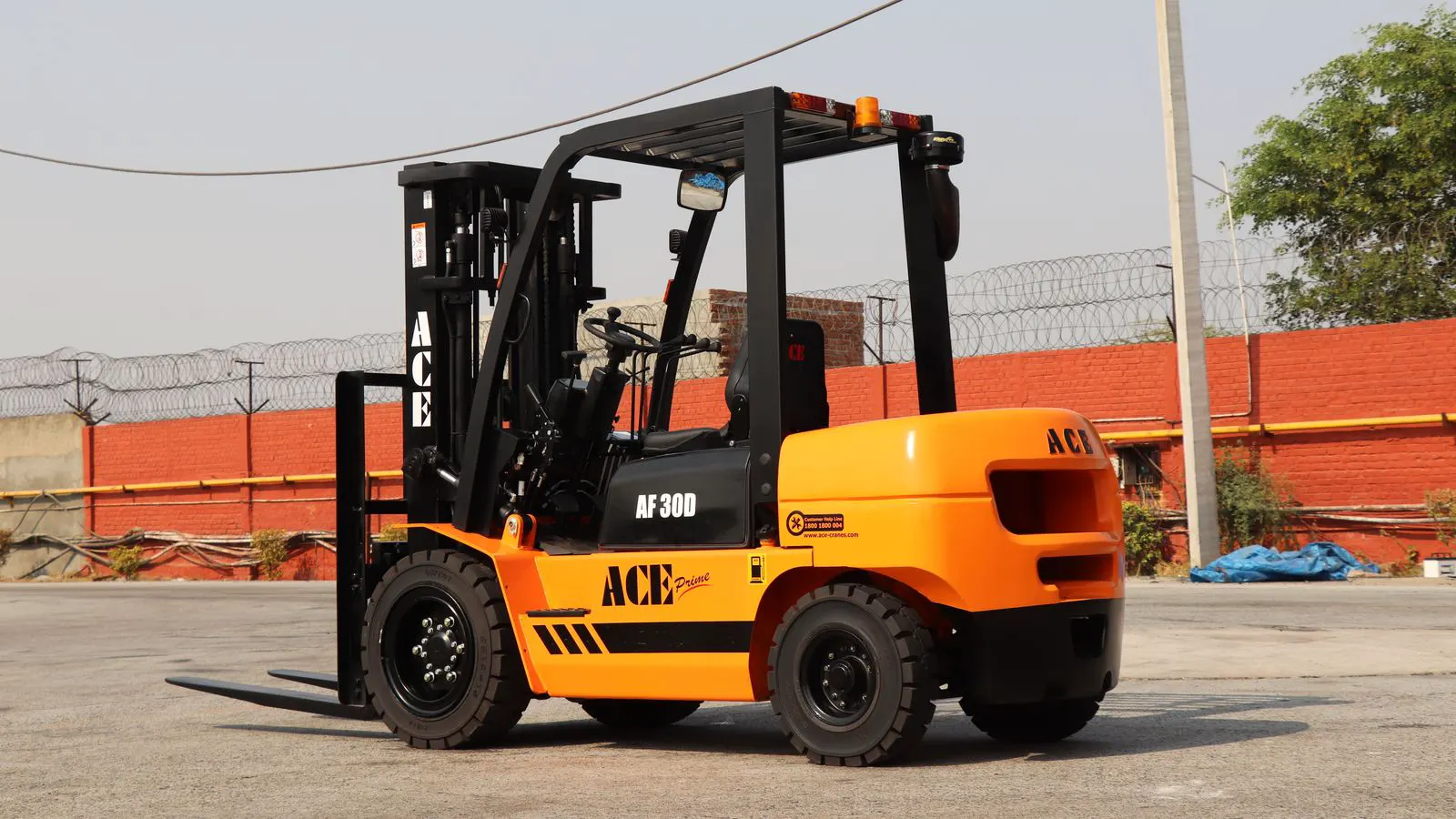
This checklist provides eight practical steps to audit an IC forklift fleet and reduce diesel consumption. It covers mechanical health, operator habits, load management, and maintenance records. Use it to identify waste and lower fuel costs without replacing vehicles.
- Regular mechanical checks catch small leaks and airflow issues that drain fuel quickly.
- Tire pressure and alignment affect rolling resistance and increase pump load.
- Operator habits like idling and heavy acceleration are major sources of wasted diesel.
- Matching load capacity to truck size prevents over-fueling and reduces unnecessary engine work.
- Documenting fuel data over time makes it easier to spot trends and justify maintenance changes.
Why Fuel Consumption Drifts Up
Fuel use in an IC forklift rarely spikes overnight. It creeps up through small inefficiencies that stack together over time. A leaking injector, a clogged air filter, or a slightly under-inflated tire can add a few percent to the daily burn. Multiply that by a full shift, a week, and a fleet of twenty machines, and the cost becomes significant.
The goal of this checklist is not to replace the fleet. It is to audit the existing machines and find where energy is being wasted. The steps below are grouped into four themes: mechanical health, tire and load management, operator behavior, and data tracking. Each item includes a specific check to perform and a red flag that indicates a problem.
Theme 1: Mechanical Health
Check Air Intake and Exhaust Systems
Start with the air filter. A clogged filter restricts airflow to the engine, forcing it to work harder to produce the same power. Remove the filter housing and inspect the element. If it is dark, oily, or visibly clogged with dust, replace it immediately.
Also check the exhaust system for leaks or blockages. A restricted exhaust raises back pressure and reduces engine efficiency. Look for soot buildup on the exhaust pipe or any signs of cracking near the flange. A leak here can cause the engine to run rich, burning more fuel than necessary.
Red flags: visible soot on the filter housing, a hissing sound near the exhaust pipe, or a check engine light that stays on after a restart.
Verify Fuel Injection and Engine Tuning
Diesel engines depend on precise fuel delivery. Injectors that are worn or slightly misaligned will not spray fuel in the correct pattern. This causes incomplete combustion and higher fuel use. A professional technician should perform an injector balance test and check for leaks at the fuel lines.
Also verify that the engine is properly tuned. If the machine was recently repaired or the fuel system was opened, the idle speed and fuel cutoff points may have shifted. Run the engine at idle and watch the tachometer. It should hold steady without hunting or surging.
Red flags: white or blue smoke from the exhaust, a rough idle, or a distinct fuel smell near the engine bay.
Inspect Cooling System Performance
An overheated engine runs less efficiently. The coolant temperature should stay within the manufacturer specified range during normal operation. Check the radiator for debris, bugs, or dirt buildup. A clogged radiator causes the engine to run hot, which can lead to increased fuel consumption and long term damage.
Also check the coolant level and condition. Low coolant or coolant that is contaminated with oil indicates a head gasket issue or a leaking seal. This is a serious problem that requires immediate attention.
Red flags: temperature gauge climbing above normal during a full shift, a sweet smell from the engine bay, or coolant that looks like oil mixed with water.
Theme 2: Tires and Load Management
Check Tire Pressure and Alignment
Tires are the only part of the forklift that touches the ground. If they are under-inflated, the machine has to work harder to move the same load. Check the pressure on all tires at least once a week. Use a reliable gauge and compare the reading to the placard on the forklift.
Alignment matters too. If the tires are worn unevenly or the machine pulls to one side, the steering system is working against itself. This adds drag and increases fuel use. Look for uneven tire wear patterns or a steering wheel that does not return to center after turning.
Red flags: visible bulges in the tire sidewall, uneven wear on the tread, or a steering wheel that feels loose or vague.
Match Load Capacity to Truck Size
An IC forklift is designed to lift a specific amount of weight. If the operator regularly loads the truck beyond its rated capacity, the engine must work harder to lift and move the load. This increases fuel consumption and puts stress on the hydraulic system.
Check the load charts on the forklift. They show the safe weight limit at different lift heights. If the machine is being used for tasks that exceed its capacity, consider whether a larger truck is needed or if the work process can be changed.
Red flags: visible bowing of the mast, hydraulic hoses that are swollen or leaking, or the machine struggling to lift a standard load.
Reduce Unnecessary Load Weight
Every kilogram of weight on the forks adds to the fuel burn. Before loading the truck, remove any unnecessary items. Check if the load can be broken down into smaller, lighter pieces. This reduces the weight the engine must lift and allows for better fuel efficiency.
Red flags: frequently overfilled pallets, loads that are heavier than the standard size, or operators who add extra material to “make the load bigger.”
Theme 3: Operator Behavior
Eliminate Excessive Idling
Idling is one of the fastest ways to waste fuel. An IC forklift engine burns diesel even when the truck is not moving. If operators leave the engine running while waiting for a lift, walking to the next location, or talking to a colleague, the fuel tank drains without doing any work.
Set a clear policy for idling. The engine should be turned off whenever the operator is not actively lifting or moving the load. This small change can save a significant amount of fuel over a full shift.
Red flags: the engine running while the operator is standing outside the cab, or the truck parked with the engine on for more than a few minutes.
Smooth Acceleration and Braking
Hard acceleration and sudden braking waste fuel. When the operator stomps on the throttle, the engine receives a large burst of fuel that is not efficiently converted into movement. Smooth, gradual acceleration allows the engine to work at its most efficient point.
Train operators to anticipate obstacles and plan their movements. A smooth start and a gentle stop reduce the strain on the engine and the brakes. This also improves the life of the transmission and reduces the need for frequent repairs.
Red flags: scorch marks on the floor from rapid stops, a loud grinding noise from the brakes, or the engine revving higher than necessary during normal operation.
Theme 4: Data Tracking and Maintenance
Record Fuel Usage Over Time
You cannot improve what you do not measure. Keep a log of fuel usage for each forklift in the fleet. Record the date, the operator, the number of liters or gallons added, and the total hours on the machine. This data helps you identify trends and spot machines that are consuming more fuel than expected.
Compare the data week by week. If one truck is using significantly more fuel than similar models in the fleet, it may have a mechanical issue. The log also provides a baseline for calculating the cost savings after you implement changes from this checklist.
Red flags: a single machine consistently using more than 20 percent more fuel than its peers, or a sudden increase in fuel use after a repair or service.
Review Maintenance Records
Check the service history for each forklift. Look for any skipped or delayed maintenance items. A missed oil change or a clogged fuel filter that was not replaced can have a long term effect on fuel efficiency.
Ensure that the maintenance schedule is followed strictly. If the manufacturer recommends a service every 250 hours, do not extend that interval. Regular maintenance keeps the engine running at peak efficiency and prevents small problems from becoming expensive repairs.
Red flags: maintenance records with gaps, service notes that say “deferred” or “to be done later,” or a lack of documentation for major repairs.
Quick Reference: Fuel Consumption Red Flags Table
Use this table as a quick guide for your audit. If you see any of these signs, investigate the issue immediately.
| Area | Check | Red Flag |
|---|---|---|
| Air Filter | Visual inspection | Dark, oily, or clogged element |
| Exhaust | Visual inspection | Soot buildup or visible leaks |
| Tires | Pressure and wear | Low pressure or uneven tread wear |
| Engine | Idle stability | Hunting, surging, or rough idle |
| Operator | Idling habits | Engine running while parked |
| Load | Weight vs capacity | Loads exceeding rated capacity |
Final Step: Implement and Monitor
Once you have completed the checklist, implement the fixes you identified. Start with the mechanical issues, as these have the most immediate impact on fuel use. Then work with your operators to address idling and driving habits.
After making changes, continue tracking fuel usage. Give it at least one month to see if the trend has improved. If the consumption remains high, re-run the checklist to find any issues you may have missed.
This process is ongoing. Fuel efficiency is not a one time fix. It is a habit that requires regular attention and consistent follow through. By staying on top of these checks, you can keep your fleet running efficiently and keep your diesel costs under control.
Frequently asked questions
How often should I check the air filter on an IC forklift?
Check the air filter every month or after every 50 hours of operation, whichever comes first. In dusty environments, check it more frequently.
What is the biggest factor affecting diesel consumption in a forklift?
Mechanical health and operator behavior are the two biggest factors. A well maintained engine driven smoothly will use significantly less fuel than a poorly maintained one driven aggressively.
Can I reduce fuel costs without replacing my forklifts?
Yes. Most fuel waste comes from small inefficiencies like idling, low tire pressure, or a clogged filter. Fixing these issues can reduce consumption by a noticeable margin without buying new equipment.
How do I know if my forklift is consuming too much fuel?
Compare the fuel usage of each machine in your fleet. If one truck is using significantly more fuel than similar models, it likely has a mechanical issue or is being used in a way that increases consumption.
What is the best way to train operators on fuel efficiency?
Show them the data. When operators see how much fuel is wasted by idling or hard braking, they are more likely to change their habits. Pair the training with clear policies and regular feedback.