Pallet Roller vs Forks: Load Stability Comparison
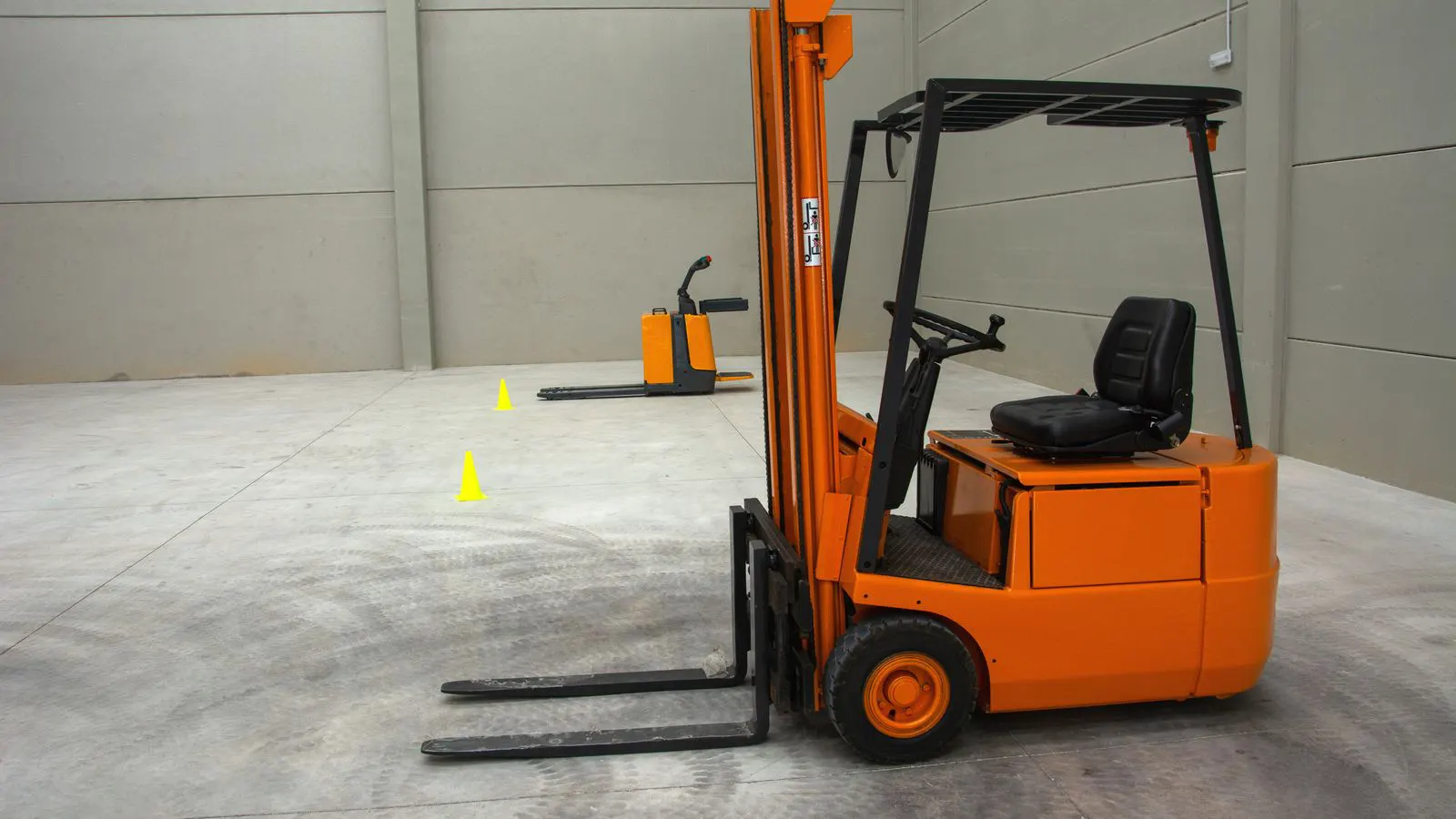
A pallet roller generally offers better load stability than standard forks for rolling operations because it keeps the load centered and low to the ground. Standard forks are better for stacking and precise placement. Choose based on your primary handling task.
- A pallet roller keeps the load low and centered, reducing tipping risk during long rolls.
- Standard forks allow stacking, stacking precision, and easier offloading from racking.
- The roller requires a clear, flat path and prevents vertical lifting above the floor level.
- Load stability depends on weight distribution, roller quality, and operator technique.
Why Load Stability Matters More Than Speed
Forklifts move heavy loads through tight spaces, around obstacles, and across varying floor conditions. When the load shifts, the center of gravity shifts. That shift changes the stability triangle of the machine. A small lateral movement can become a major safety issue if the load is high or uneven.
Operators often choose between standard forks and attachments based on speed or cost. The decision usually starts with the physical task. Does the load need to stack, or does it just need to roll? The answer drives the choice of hardware.
Standard forks lift a pallet vertically. The load sits high above the ground. This creates a tall center of gravity. A pallet roller keeps the load close to the floor. The center of gravity stays low. This is the core difference in load stability between the two options.
How Standard Forks Handle Load Stability
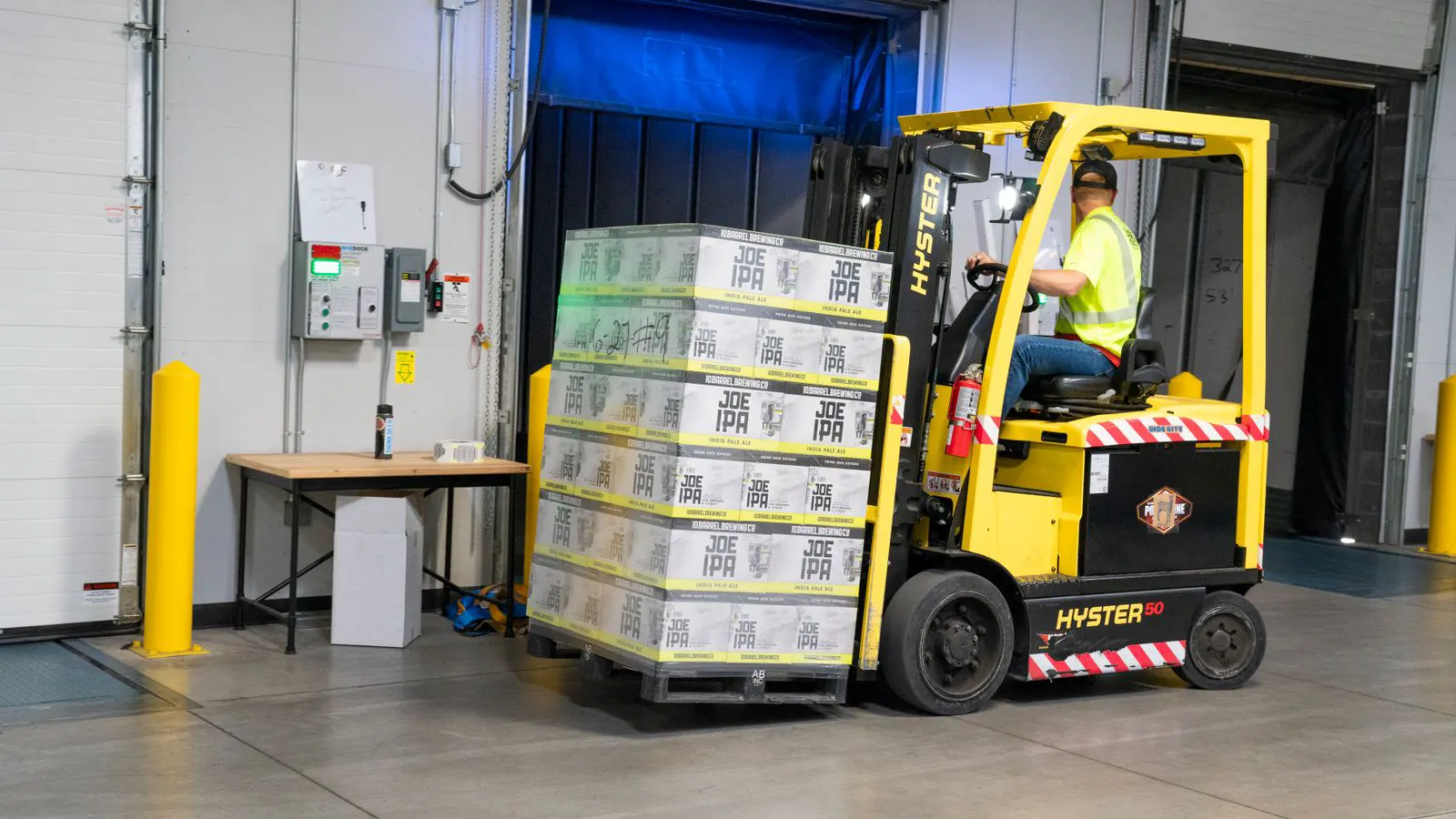
Standard forks support the load from the bottom through the pallet boards. The pallet rests on the fork tines. The load sits above the ground plane. This height is necessary for stacking into racks or loading onto trucks.
The main stability challenge with standard forks is the height. When a forklift turns at speed, the load creates a lateral force. That force works against the mast. If the load is uneven, one side of the pallet may lift slightly. This creates a tipping moment.
Fork length also matters. A load wider than the fork span can overhang. An overhanging load shifts the center of gravity sideways. This is a common mistake in warehouse operations. Operators often do not check the load width before lifting.
Fork height also affects stability. A higher lift increases the risk. The load is farther from the pivot point of the wheels. This makes the machine less stable during turns and on slopes.
How a Pallet Roller Works
A pallet roller is a low-profile attachment that fits under the pallet. It rolls along the floor. The pallet rests on the roller. The roller keeps the load low to the ground.
The roller usually has two wheels or a single central wheel. The wheels are designed to roll smoothly on concrete floors. The attachment connects to the forklift mast. The operator drives the forklift forward. The roller rotates. The pallet moves.
Because the load stays low, the center of gravity remains close to the ground. This reduces the tipping moment during turns. The load does not swing as much as it would on high forks.
The roller also provides a more even support surface. Standard forks support the load at two points, the front and back of the pallet. A roller supports the load along a continuous line. This can reduce point loading on the pallet boards.
Comparison of Stability Factors
The table below compares the main stability factors for standard forks and pallet rollers.
| Option | Best for | Limitations |
|---|---|---|
| Standard Forks | Stacking, loading, precise placement | Higher center of gravity, limited lateral support |
| Pallet Roller | Long-distance rolling, low-height transport | Cannot stack, requires flat floor, limited lift height |
| Forks with Pallet Clamp | Stable stacking, heavy loads | More expensive, requires specific pallet types |
| Roller with Forks | Hybrid operations, occasional stacking | More complex setup, potential interference |
Standard forks are the default choice. They work with almost any pallet. They can lift into racking. They can load trucks. The limitation is the height and the point support.
A pallet roller is a specialized tool. It is best for moving loads across open floor space. It cannot lift into a rack. It cannot load a truck. It is a transport tool, not a storage tool.
Forks with a pallet clamp add a horizontal clamp to the front of the forks. This holds the pallet from the front. It improves stability during stacking. It is a good middle ground for high-risk loads.
A hybrid setup uses both rollers and forks. The forks support the load when stationary. The rollers support the load when moving. This setup is complex. It requires careful engineering to ensure the parts do not interfere.
When to Choose a Pallet Roller
A pallet roller makes sense when the task is rolling. The load moves from one point to another on the same level. It does not stack. It does not load onto a truck.
The floor must be flat. A roller does not handle slopes well. It does not handle curbs or thresholds. The floor must be smooth concrete or a similar surface.
The load must be stable on the roller. If the load is tall and narrow, it may still tip. The roller reduces risk, but it does not eliminate it. The load needs a low center of gravity itself.
The roller is also useful for long distances. Moving a load across a large warehouse is faster and safer with a roller. The load stays low. The operator can drive at a consistent speed.
A pallet roller is not a good choice if the load needs to be put away in a rack. It is not a good choice if the load needs to be loaded onto a truck. It is a transport attachment.
When to Choose Standard Forks
Standard forks are the default for most warehouse work. They lift, stack, and lower. They load and unload. They work with any pallet type.
If the load goes into a rack, use standard forks. If the load goes onto a truck, use standard forks. If the load needs to be placed on a shelf, use standard forks.
The stability of standard forks depends on the operator. The operator must lift slowly. The operator must turn slowly. The operator must keep the load close to the mast. These are basic operating rules.
Standard forks are also easier to maintain. They have fewer moving parts. They are cheaper to replace. They are widely available.
If the operation is mixed, standard forks are usually the right choice. They can handle 90 percent of the work. A pallet roller handles the remaining 10 percent of long-distance moves.
Practical Checks Before Buying
Before choosing between a pallet roller and standard forks, run the load through a stability check.
- Measure the load height and width.
- Weigh the load and find the center of gravity.
- Map the route. Check for floors, slopes, and obstacles.
- Identify the end task. Does the load stack, or does it just sit?
- Check the forklift capacity. The attachment reduces the lift capacity.
The route map is often missed. Operators look at the load and the forklift. They forget the floor. A pallet roller fails on a rough floor. It fails on a slope. It fails around a column.
The end task is the final filter. If the load must go into a rack, a pallet roller is not an option. It is a transport tool. It does not store.
The forklift capacity check is critical. Adding a pallet roller increases the weight of the attachment. It reduces the lift capacity of the forklift. A forklift rated for 5,000 pounds may only lift 4,500 pounds with the roller. The operator must check the capacity chart for the specific attachment.
Common Mistakes
Operators often make three mistakes with pallet rollers.
The first mistake is assuming a roller works on any floor. It does not. The floor must be smooth and level. A roller on a rough floor will wobble. A wobbly load is an unstable load.
The second mistake is overloading the roller. The roller has a rated capacity. Exceeding that capacity causes the wheels to slip. It can also damage the attachment.
The third mistake is ignoring the load height. A tall load on a roller is still a tall load. The roller keeps the base low, but the top is high. The center of gravity may still be too high for the turn.
These mistakes are avoidable. They come from not checking the specs and not mapping the route. A few minutes of planning prevents a major accident.
Final Selection Criteria
The choice between a pallet roller and standard forks comes down to the task.
If the load stacks, use standard forks.
If the load rolls, use a pallet roller.
If the load does both, use standard forks and a roller for the long moves.
Load stability is not just about the attachment. It is about the operator, the floor, and the load. The attachment changes the center of gravity. The operator controls the speed and the turns. The floor determines the support. The load determines the weight.
A pallet roller is a specialized tool. It is not a replacement for standard forks. It is a complement. Use it when the task requires rolling. Use standard forks when the task requires lifting.
Frequently asked questions
Can a pallet roller be used for stacking?
No. A pallet roller is a transport attachment. It keeps the load low and does not allow vertical lifting into a rack.
What is the main stability advantage of a pallet roller?
It keeps the load low to the ground. This lowers the center of gravity and reduces tipping risk during turns.
Are standard forks less stable than a pallet roller?
They are less stable for long-distance rolling. The load sits higher. But they are more versatile for stacking and loading.
Can a pallet roller be used on uneven floors?
No. A pallet roller requires a smooth, flat floor. Uneven surfaces cause the load to wobble and shift.
Does adding a pallet roller reduce forklift capacity?
Yes. The attachment adds weight to the mast. This reduces the maximum lift capacity of the forklift. Check the capacity chart.