Outlook for IC Forklifts in Outdoor Material Handling
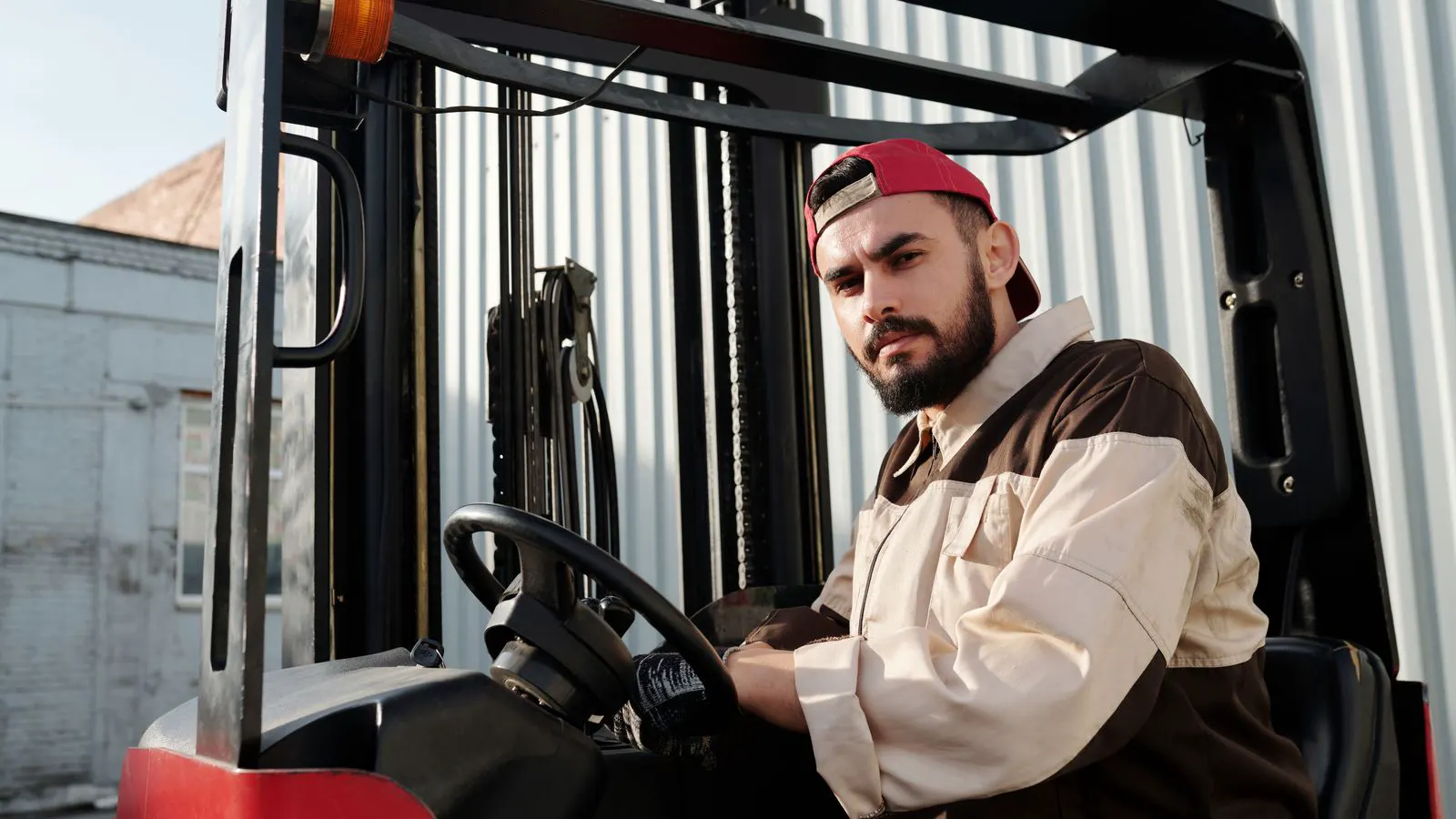
Internal combustion lift trucks remain the backbone of outdoor material handling. This outlook identifies six key shifts in the market. It details how combustion engines continue to dominate heavy outdoor work while hybrid and electric alternatives expand. Buyers should plan for fuel management, maintenance planning, and hybrid adoption to stay competitive.
- Internal combustion lift trucks continue to dominate heavy outdoor work due to their range and lifting capacity.
- Buyers must plan for longer service intervals and more complex maintenance as engines evolve.
- Hybrid powertrains are gaining ground, offering a middle path between pure diesel and full electric.
- Fuel management and emissions compliance are now central to total cost of ownership calculations.
- Fleet managers should evaluate site conditions before committing to a single powertrain strategy.
Why Combustion Trucks Still Own the Outdoor Work
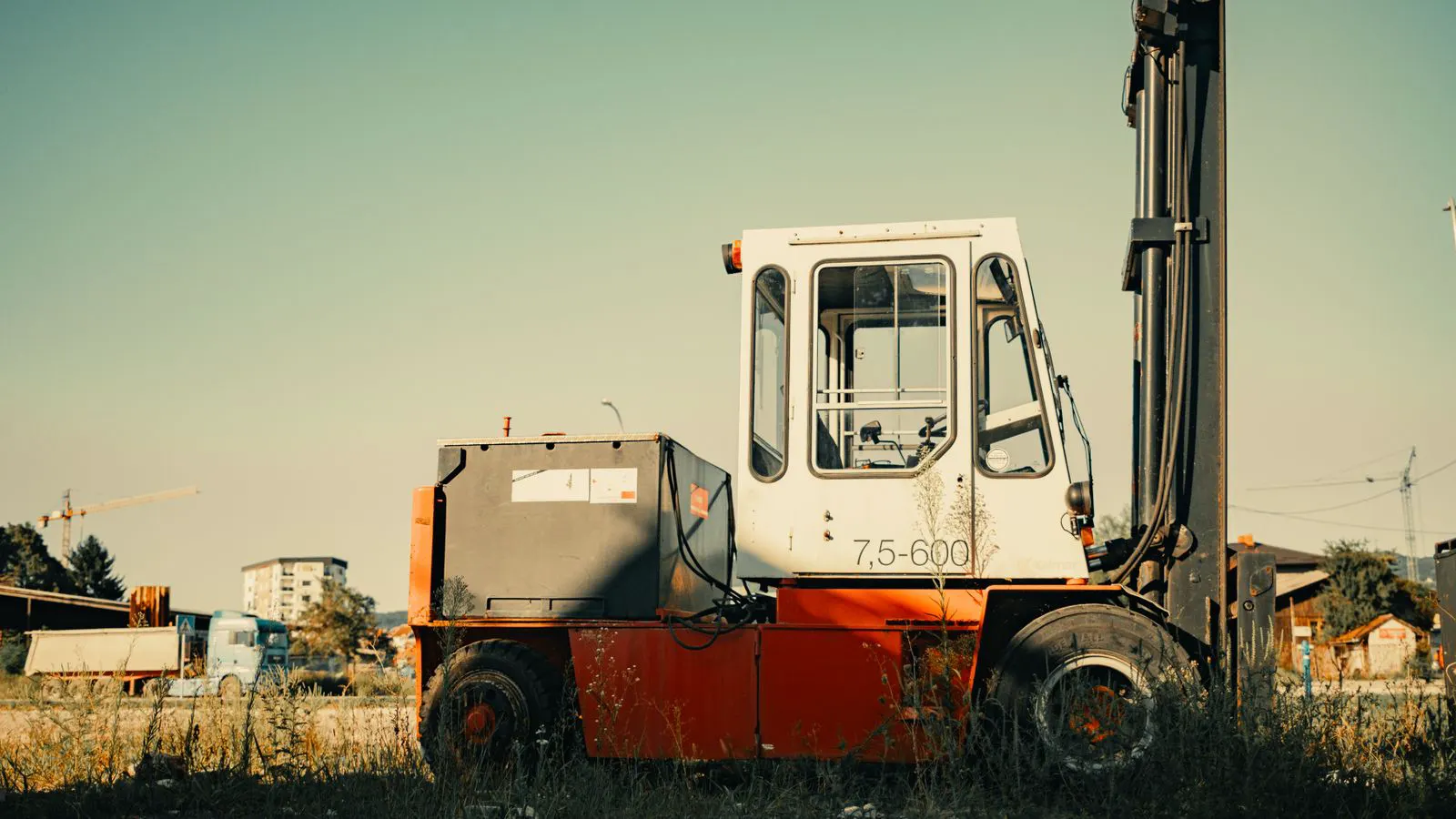
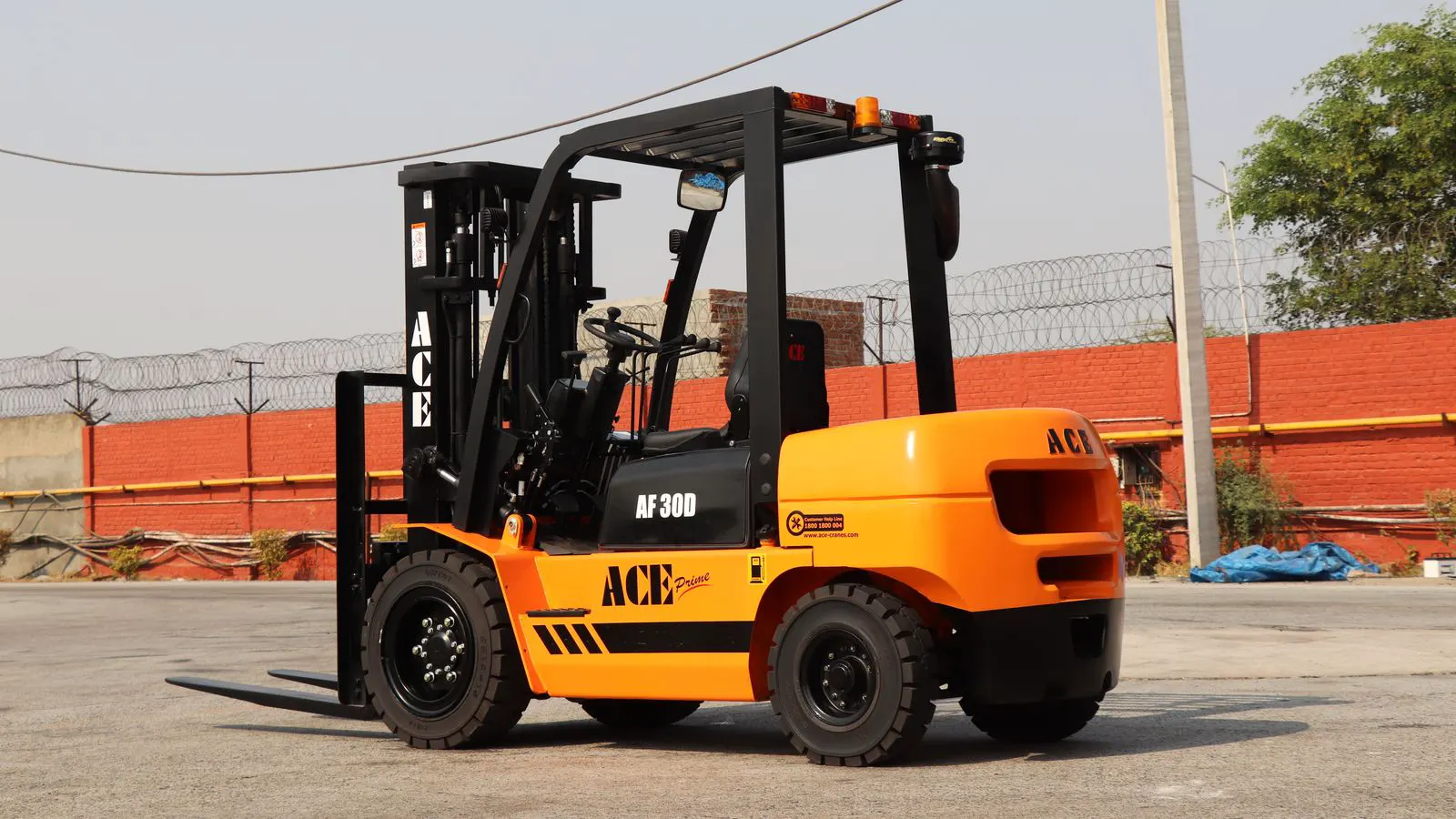
The internal combustion lift truck holds a firm position in outdoor material handling. It does not face a sudden exit. Instead, it faces a gradual compression of its traditional territory. Heavy outdoor sites, such as ports, steel yards, and large distribution centers, still rely on diesel and gas engines. These machines handle the heaviest loads and cover the longest distances without concern for battery charging time. The core physics remain unchanged. Combustion engines deliver high torque at low speed and provide a long working radius. For a yard where a truck must lift twenty tons and travel two kilometers between bays, the internal combustion lift truck remains the practical choice.
However, the market is shifting. The shift is not about replacing the truck tomorrow. It is about how the truck is managed, how it is fueled, and how it fits into a broader fleet strategy. Buyers in 2026 are looking at the total cost of ownership, not just the purchase price. They are looking at maintenance schedules, fuel volatility, and the environmental impact of their operations. The combustion engine is no longer a default. It is a calculated choice.
Shift One: The Rise of Hybrid Powertrains
The most significant change for the internal combustion lift truck is the introduction of hybrid systems. These trucks use an internal combustion engine paired with an electric motor. The engine charges the battery while idling or accelerating. The electric motor assists during lifting or provides regen braking. The result is a lower average fuel consumption and reduced emissions during stop and go operations.
Hybrid trucks are not a full replacement for the combustion engine. They are an evolution. The engine is still present, but it works differently. It runs at a more efficient RPM range and spends less time idling. For outdoor sites with heavy load cycles, the hybrid internal combustion lift truck offers a clear advantage in fuel savings. Buyers should watch this shift closely. It changes the maintenance profile. The truck now has an electrical system to manage. Filters, oil, and coolant remain, but battery health and inverter cooling become new variables.
Shift Two: Stricter Emissions and Noise Rules
Regulatory pressure continues to tighten. Many regions are moving toward lower emission standards for new equipment. While specific numbers vary by location, the direction is clear. Newer internal combustion lift trucks must meet higher exhaust limits. This drives manufacturers to upgrade engines with better fuel injection, better aftertreatment systems, and more precise exhaust management.
For buyers, this means two things. First, the cost of new trucks is rising. The added hardware for emissions control increases the price. Second, the maintenance burden changes. DPFs and exhaust systems require specific monitoring. If a truck operates in a dusty environment, the DPF can clog. If it runs in a wet environment, the aftertreatment system may need more frequent service. Fleet managers must plan for this. They need technicians who understand modern engine electronics, not just basic carburetor work.
Noise rules are also becoming more relevant. Outdoor sites are often near residential areas or worker zones. Newer combustion engines are quieter, but the difference is real. When selecting a truck, noise levels are a valid selection criterion. A quieter truck allows for longer working hours without disturbing nearby areas.
Shift Three: Fuel Cost Volatility and Management
The internal combustion lift truck is tied to fuel prices. Diesel and gas fluctuate based on global markets, supply chains, and seasonal demand. A fleet that burns five thousand liters a month feels that volatility directly in its P and L statement. Buyers are responding with better fuel management practices.
This shift is moving beyond simple meter reading. Advanced fleets are using telematics to track fuel burn per hour and per cycle. They are identifying trucks that consume more than their peers. They are finding operators who drive inefficiently. They are tuning engine parameters for specific site conditions.
There is also a shift toward alternative fuels. Some sites are testing biodiesel blends or renewable diesel. These fuels can drop into existing tanks without major modification. They offer a way to reduce the carbon footprint of the internal combustion lift truck without replacing the engine. Buyers should check with their fuel suppliers about the availability of these blends. They should also check with the truck manufacturer to confirm compatibility.
Shift Four: Maintenance Complexity and Technician Skills
The modern internal combustion lift truck is not a simple mechanical box. It is a computerized system. The engine control unit manages fuel injection, turbo boost, and emissions. The transmission shifts based on load and speed. The brakes are often regenerative. This complexity changes the maintenance model.
In the past, maintenance was largely mechanical. Oil changes, belt replacements, and hydraulic fluid checks. Today, maintenance includes software updates, sensor diagnostics, and data analysis. A technician must be able to read error codes and understand what they mean. A faulty oxygen sensor, for example, can affect fuel efficiency and emissions. Replacing it is easy. Understanding why it failed is harder.
Fleet managers are planning for this skill gap. They are training their in-house technicians or hiring service partners with deeper expertise. They are also standardizing their fleet. Having fewer model types makes it easier to train staff and manage parts inventories. A mixed fleet of ten different trucks creates a parts nightmare. A mixed fleet of two or three models is manageable.
Shift Five: The Long Tail of Electric and Battery Tech
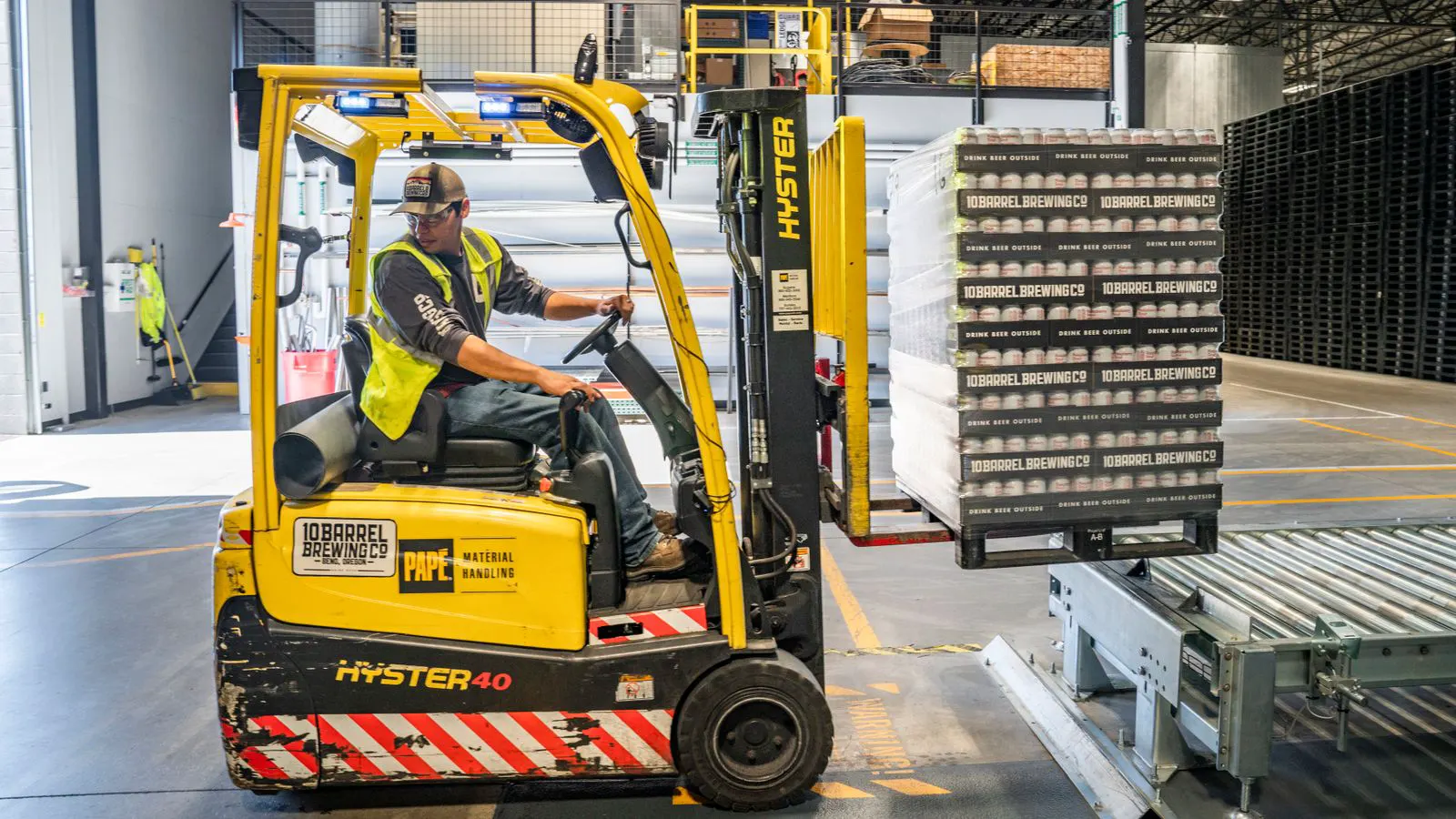
While the internal combustion lift truck is not disappearing, the electric alternative is growing. The growth is driven by battery cost reductions and improved energy density. For indoor or short cycle outdoor work, the electric lift truck is becoming competitive. It has lower operating costs and no emissions.
This creates a pressure on the combustion truck. If a site can handle the work with an electric truck, why buy a diesel one? The answer is usually range, lifting capacity, or cost of ownership for heavy cycles. But for lighter work, the electric option is gaining. Buyers are using this pressure to their advantage. They are negotiating better service levels from combustion truck suppliers. They are using the electric option as a benchmark for total cost of ownership.
The hybrid truck fits in this middle ground. It offers the range of the combustion engine with the efficiency of electric assist. It is the most likely path for heavy outdoor work over the next decade. Buyers should evaluate hybrid trucks seriously. They are not a niche product. They are a mainstream option.
Shift Six: Resale Value and Fleet Lifecycle
The resale market for internal combustion lift trucks is changing. Older diesel trucks are losing value as newer models with lower emissions and better fuel efficiency become the standard. A truck that burns a lot of fuel and has high maintenance costs is hard to sell. A truck with a hybrid system, good service history, and low hours retains value better.
Buyers are extending the life of their trucks. They are refurbishing engines, updating electronics, and replacing worn components. This is cheaper than buying new. It also keeps the fleet running while they evaluate new technologies. The resale value of a well-maintained combustion truck is higher than a neglected one. Fleet managers should treat the truck as an asset to be managed, not a cost to be incurred.
They are also looking at lifecycle planning. When will the truck be replaced? What is the cost of a replacement? How does the replacement affect the fleet mix? These questions require a long view. A five year plan is common. A ten year view is better.
How to Prepare Your Fleet for the Shifts
Preparing for these shifts requires a structured approach. The following table summarizes the key areas to review.
| Area | Current State | Future State | Action Item |
|---|---|---|---|
| Powertrain | Pure Diesel | Hybrid / Advanced Diesel | Evaluate hybrid options for heavy cycles |
| Fuel | Volatile Cost | Managed / Alternative | Implement telematics and test renewable blends |
| Maintenance | Mechanical | Electronic / Data Driven | Train technicians on diagnostics and software |
| Regulations | Basic Compliance | Stricter Emissions | Check local rules and plan for upgrades |
| Fleet Mix | Uniform | Hybridized | Mix electric for light work, combustion for heavy |
The first action is to audit your current fleet. Look at fuel consumption per hour for each truck. Look at maintenance costs. Look at operating hours. Identify the outliers. The trucks that burn the most and cost the most to maintain are the ones to replace first.
The second action is to define your site requirements. How much weight do you lift? How far do you travel? How many hours do you operate per day? If you operate eight hours a day with heavy loads, a hybrid combustion truck is likely the best fit. If you operate four hours a day with light loads, an electric truck may be worth testing.
The third action is to build a relationship with your supplier. Do not just buy the truck. Buy the service plan. Buy the training. Buy the software support. The internal combustion lift truck is a system. The supplier is part of that system. A good supplier will help you plan for the shifts. A bad supplier will sell you a box and walk away.
Final Considerations
The future of the internal combustion lift truck is not a cliff. It is a slope. The truck will continue to be the workhorse of outdoor material handling. It will become more efficient, more connected, and more environmentally conscious. It will share the market with electric and hybrid options.
Buyers should not panic. They should plan. The shifts are real, but they are manageable. By understanding the role of the internal combustion lift truck in a changing market, you can make informed decisions. You can protect your investment. You can keep your operations running smoothly.
The goal is not to replace the truck. The goal is to run the right truck, in the right place, with the right maintenance. That is the practical outlook for outdoor material handling.
Frequently asked questions
Will internal combustion lift trucks be replaced by electric trucks in the next five years?
No, not for heavy outdoor work. Combustion trucks, especially hybrid models, will remain dominant for heavy lifting and long range operations. Electric trucks will likely take a larger share of light and short cycle work.
How much more does a hybrid IC forklift cost compared to a standard diesel model?
Hybrid models typically carry a higher upfront price due to the added electrical components. The cost difference varies by size and manufacturer. The savings usually come from reduced fuel consumption and lower maintenance over time.
Can I convert an old diesel forklift to run on renewable diesel?
Yes, in most cases. Renewable diesel is a drop-in replacement for standard diesel. You should check with your fuel supplier to ensure the blend is available and compatible with your specific engine model.
What is the biggest mistake fleet managers make with IC forklifts?
Ignoring the data. Many fleets buy a truck and then only react to breakdowns. They do not track fuel burn or maintenance patterns. This leads to higher costs and shorter truck life.
How do I know if my site needs a hybrid truck?
Look at your duty cycle. If your trucks spend a lot of time idling, accelerating, and lifting in stop and go conditions, a hybrid truck will likely save you fuel. If your trucks run continuously at high speed on open roads, the benefit may be smaller.