Buyers Guide: Total Cost of Ownership for Electric Reach Trucks
For electric reach trucks, the true financial commitment extends well beyond the purchase price. This guide breaks down energy, maintenance, battery management, and depreciation to help procurement managers build accurate total cost of ownership models and make informed decisions.
- True forklift total cost of ownership requires tracking energy, maintenance, battery replacement, and depreciation over the full asset life.
- Electric reach truck costs are heavily influenced by duty cycle, shift patterns, and the selected charging or battery swapping strategy.
- Purchase price is only one line item. Operational efficiency and maintenance intervals determine long-term financial performance.
- Standardizing specifications and duty cycles across a fleet simplifies cost analysis and improves negotiation use.
- A structured TCO checklist helps procurement teams avoid underestimating long-term commitments.
Why the Purchase Price Is Not the Whole Story
The forklift purchase price is the first number a buyer sees, but it rarely predicts the final cost of operating a reach truck. An electric reach truck may look affordable on the invoice, yet a poorly sized battery or a high-intensity duty cycle can drive energy and maintenance expenses upward. Procurement teams need to look beyond the sticker price and model the full financial commitment over the asset life.
Buyers often compare two machines with identical headline prices and assume the cheaper one will save money in operation. That assumption fails when the machines differ in power source, lift capacity, or intended shift pattern. A reach truck running two shifts in a high-rise warehouse behaves very differently from one used for single-shift cross-docking. The operational profile determines how fast the battery wears, how often maintenance is required, and how much energy the unit consumes each day.
The goal of this guide is to provide a structured framework for calculating forklift total cost of ownership. It focuses on the variables that actually move the needle in a real warehouse or distribution center. The approach uses general terms and practical criteria so teams can apply it regardless of fleet size or region.
Identifying the Core Cost Drivers
Every electric reach truck incurs costs across four main categories: capital, energy, maintenance, and disposal or replacement. Capital costs include the purchase price, delivery, installation, and any required site modifications such as electrical upgrades or floor reinforcement. Energy costs depend on the truck’s power draw, the efficiency of the charging system, and the local electricity rate. Maintenance covers routine servicing, tire replacement, brake adjustments, and software updates.
Replacement costs are often the most overlooked line item. Batteries are consumables, and their life depends on cycle count, depth of discharge, and charging practices. A truck that charges to 100 percent every night may require battery replacement sooner than one that uses a smart charging profile that stops at a defined threshold. Tires wear based on floor type, load weight, and driving style. Brakes and hydraulic components wear with each lift and each stop.
The interaction between these categories creates a feedback loop. A truck that is oversized for the job may waste energy, wear tires faster, and require a larger battery. An undersized truck may struggle with peak loads, leading to longer cycles, more stops, and higher operator fatigue. Both scenarios raise the total cost of ownership, but through different mechanisms.
Building a Realistic Duty Cycle Profile
Before comparing models, define the duty cycle. This is not just a label from a manufacturer catalog. It is a specific description of how the truck will be used in your facility.
- Shift length and number of shifts per day.
- Average cycle time between pick or place operations.
- Lift height and load weight for the heaviest expected task.
- Aisle width and floor condition.
- Number of hours of continuous operation per week.
- Seasonal peaks and expected utilization patterns.
A single-shift operation might see 8 to 10 hours of use with a break period for charging or battery swap. A double-shift operation may require rapid turnaround between shifts, which pushes the charging infrastructure and battery management system. The difference in energy consumption between a 10-hour day and a 16-hour day is significant, even if the hourly consumption rate stays the same.
Operators also influence energy use. Aggressive acceleration and hard braking increase power draw and accelerate component wear. Training programs that emphasize smooth throttle control and proper load positioning can reduce these losses. While these savings are easier to measure over a year than a month, they compound across a fleet.
Evaluating Energy and Battery Management Options
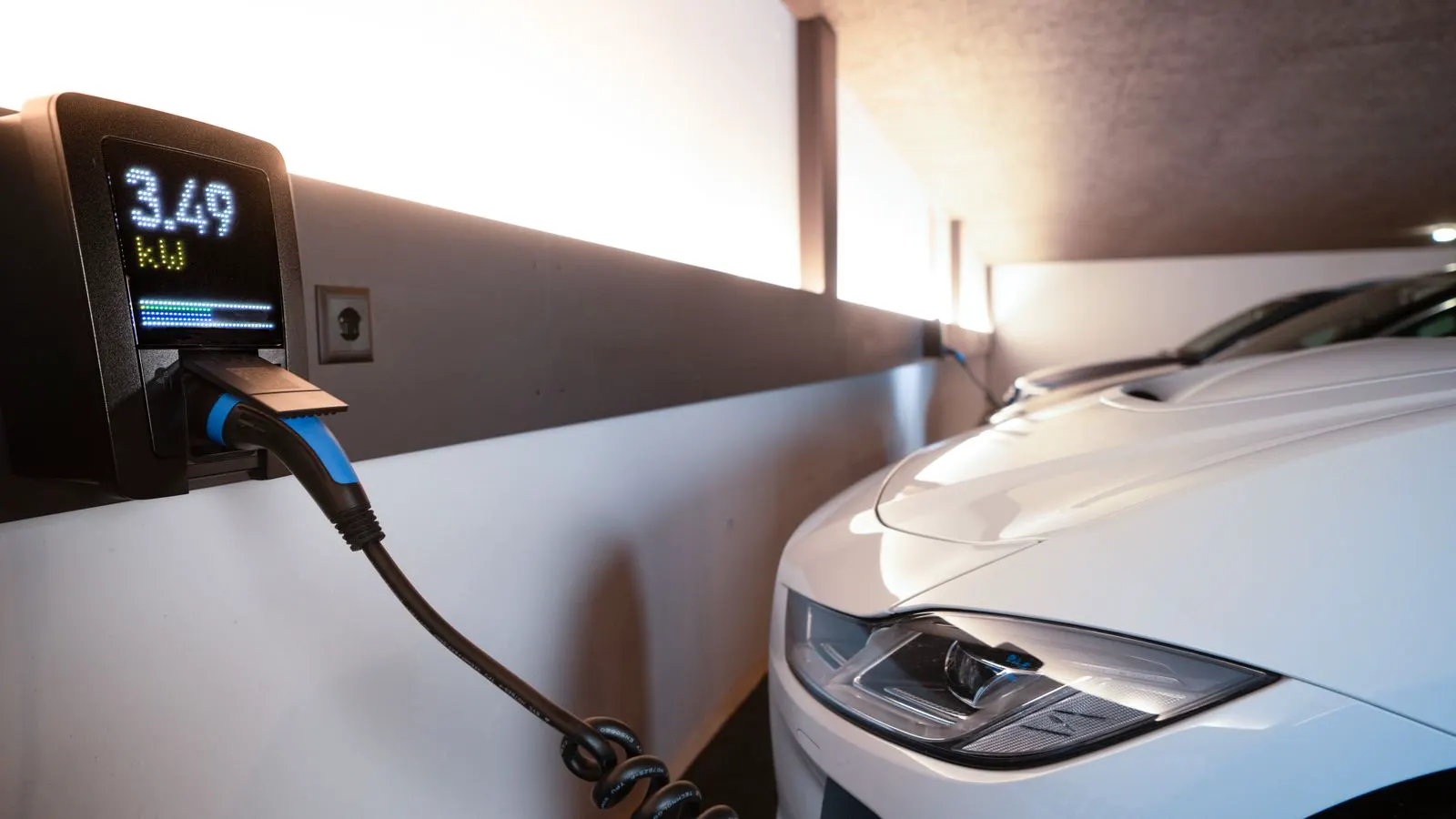
Electric reach trucks can be charged in several ways. The most common method is direct battery charging at the end of a shift or during breaks. Some facilities use opportunity charging, where the truck charges during natural downtimes. Other sites use battery swapping, where a depleted battery is replaced with a charged one. Each option changes the energy cost structure and the capital investment required.
Direct charging is often the simplest to implement. The truck plugs into a charging station, and the process is automated. The cost is driven by electricity rates and the efficiency of the charger. A high-efficiency charger reduces energy loss and speeds up the charging cycle, which frees the truck for more productive time. Battery swapping requires a swap station, a bank of charged batteries, and a process for tracking battery health. It can reduce downtime but adds capital cost and operational complexity.
The choice depends on shift patterns and space. A site with limited bay space and long shifts may favor swapping. A site with predictable shift ends and available floor space may do better with direct charging. In either case, the energy cost per hour of operation is the key metric. Multiply the truck’s average power draw by the number of operating hours and the local electricity rate to get a baseline. Then adjust for charger efficiency and any losses in the swapping process.
Battery management is as much a financial decision as a technical one. A battery that is consistently overcharged or deeply discharged will lose capacity faster. Modern battery management systems can limit charge thresholds and monitor individual cell health. This extends service life and reduces the risk of sudden capacity drop. When evaluating a battery, ask about the expected cycle life under your specific duty cycle, not just the theoretical maximum.
Maintenance, Consumables, and Labor Implications
Maintenance for an electric reach truck is different from that of an internal combustion forklift. There is no engine, no fuel system, and no exhaust components. However, the truck still has hydraulics, brakes, tires, and electrical components that require attention.
Routine maintenance typically includes checking hydraulic fluid levels, inspecting hoses, testing brake response, and cleaning electrical connections. Tires on electric trucks are often solid or pneumatic, depending on the application. Solid tires wear more slowly on smooth floors but can be replaced less frequently. Pneumatic tires offer more traction but require pressure checks and more frequent replacement.
Labor is a hidden cost. If your team must perform routine checks themselves, the time required is a cost. If you rely on a third-party service provider, the hourly rate and response time matter. An electric truck with a complex software interface may require specialized diagnostics. A truck with a simple, proven design may be easier for general technicians to service. Factor in the learning curve for your team and the availability of service support in your region.
Software updates can also affect cost. Some manufacturers push updates that improve battery management or safety features. Others require paid support for extended warranty coverage. Ask whether the warranty covers software-related failures and whether updates are free or charged. A small annual support fee may be worth it if it prevents a costly unplanned repair.
Depreciation, Resale, and End of Life
The forklift total cost of ownership includes what the asset is worth at the end of its service life. A reach truck that retains more value when sold or traded reduces the net cost. Factors that affect resale include the truck’s age, usage history, maintenance records, and battery condition.
A well-documented service history is a strong selling point. Keep records of every maintenance event, battery replacement, and software update. A truck with a complete paper trail is easier for a buyer to verify, which can support a higher trade-in value. A truck with unknown history may be discounted heavily, even if it is in good condition.
Battery condition is a major determinant of resale value. A battery with high remaining capacity and a documented cycle history is more valuable than one with unknown wear. Some buyers will test the battery before making an offer. If you plan to sell or trade the truck, track the state of charge and the number of full cycles. This information helps you present a clear case to the next buyer.
End of life also includes disposal costs. Batteries may need to be recycled or sent to a certified facility. Tires and hydraulic fluid have specific disposal requirements in many regions. Budget for these costs in the final year of ownership. They are small compared to the purchase price, but they are real.
Criteria Table for Evaluating Electric Reach Truck Costs
| Criterion | What to look for | Why it matters |
|---|---|---|
| Duty Cycle Fit | Match lift height, load weight, and shift pattern to the truck’s rated capacity | An oversized or undersized truck increases energy use and component wear |
| Energy Efficiency | Check power draw in kW and charging efficiency percentage | Lower energy consumption reduces operating cost over thousands of hours |
| Battery Life Expectation | Ask for expected cycle life under your specific duty cycle | Battery replacement is a major capital cost and affects availability |
| Maintenance Interval | Review recommended service intervals and parts availability | Frequent or hard-to-source parts raise labor and downtime costs |
| Warranty Scope | Confirm what is covered, especially batteries and electronics | Gaps in coverage can turn a repair into a large unexpected expense |
| Resale Indicators | Look for strong service history, battery tracking, and manufacturer support | Higher resale value reduces the net cost of ownership |
Decision Checklist for Procurement Teams
Use this checklist when comparing electric reach trucks for your fleet.
- Confirm the duty cycle profile for each target application.
- Calculate the estimated energy cost per hour of operation for each candidate truck.
- Identify the expected battery replacement interval and the cost of a full replacement.
- Review the maintenance schedule and the cost of routine parts and labor.
- Check the warranty terms for the battery, motor, and control system.
- Estimate the resale value based on age, usage, and documentation quality.
- Add all costs over the planned service life, such as five or seven years.
- Compare the total cost of ownership, not just the purchase price.
- Review the supplier’s service network and response times.
- Confirm that the selected charging or swapping method fits your floor layout and shift pattern.
The checklist forces you to move from a single number to a full financial model. It highlights where assumptions are weak and where further testing or vendor data is needed. It also creates a consistent basis for comparison across different models and suppliers.
Final Thoughts
The forklift total cost of ownership for an electric reach truck is a function of how the truck is used, not just what it is. A well-matched truck with efficient energy use and a disciplined maintenance program will deliver lower cost over its life. A poorly matched truck will feel cheap at purchase and expensive in operation.
Procurement teams should build a TCO model before they start price negotiations. Use the duty cycle, energy rates, battery life, and maintenance intervals as the core inputs. Review the criteria table and run the decision checklist for each shortlisted model. The result is a clearer view of the true financial commitment and a stronger position when you sit down with a supplier.
Frequently asked questions
What is the biggest variable that affects the total cost of ownership for an electric reach truck?
The duty cycle is the biggest variable. It determines energy use, battery wear, and maintenance frequency, which together drive most of the long-term costs.
How should I estimate the energy cost for a new electric reach truck?
Multiply the truck's average power draw in kilowatts by the number of operating hours per day and the local electricity rate. Adjust for charger efficiency and any losses in the charging method.
Does battery swapping always cost more than direct charging?
Not always. Swapping can reduce downtime and increase availability, which may offset higher capital costs in high-intensity operations. The best choice depends on shift patterns and floor space.
How important is the warranty on the battery?
Very important. The battery is one of the most expensive components. A strong warranty that covers capacity loss and cell failure can protect you from a large unexpected cost.
Can I use the same TCO model for multiple trucks in my fleet?
Yes, if you standardize the duty cycle assumptions. For trucks with different applications, build separate models or adjust the inputs for each one to keep the comparison accurate.