Troubleshooting High Forklift Fuel Consumption
High fuel use in a forklift fleet usually stems from tire pressure, dirty air filters, or aggressive operator habits. This guide lists common symptoms, likely causes, and direct fixes to lower fuel consumption and protect your total operating cost.
- Check tire pressure and wheel alignment to reduce rolling resistance.
- Inspect air filters and engine systems during regular service intervals.
- Monitor operator behavior to eliminate unnecessary idling and rapid acceleration.
- Use load charts to avoid overloading the machine beyond rated capacity.
Why Fuel Consumption Spikes in Forklifts
Forklift operators often notice a drop in fuel efficiency before a mechanical failure occurs. A diesel engine running rich, or an electric unit draining power faster than planned, signals a problem that needs attention. These changes directly impact the forklift operating cost and can erode profit margins if ignored.
Identifying the root cause requires a systematic approach. Operators and maintenance teams must look at the symptoms first. A vehicle that consumes more fuel than expected could be due to a simple oversight, such as low tire pressure, or a complex issue involving the engine control unit.
The goal is to isolate the variable. Is the machine consuming more fuel during lifting, or is it idling heavily? Does it happen on one unit or across the whole fleet? Answering these questions helps narrow down the list of likely causes.
Common Symptoms of High Fuel Use
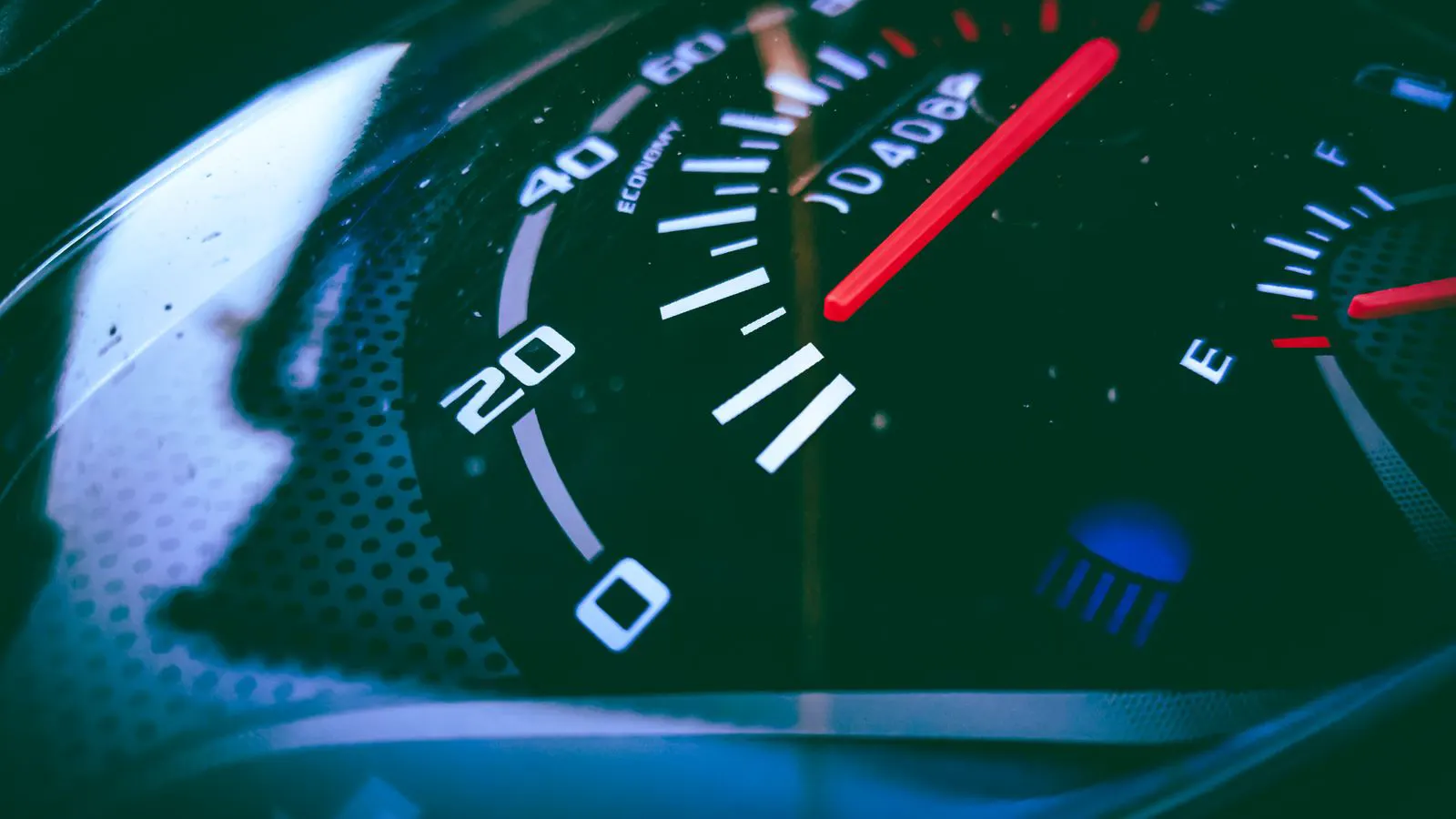
Before diving into fixes, it is important to identify what the high consumption looks like. Operators are often the first to notice these changes. They may see the fuel gauge dropping faster during a standard shift.
Maintenance staff should look for physical signs of wear or inefficiency. Black smoke from the exhaust is a clear indicator of a combustion issue. Rough idling or stalling can also point to a faulty injector or a clogged filter.
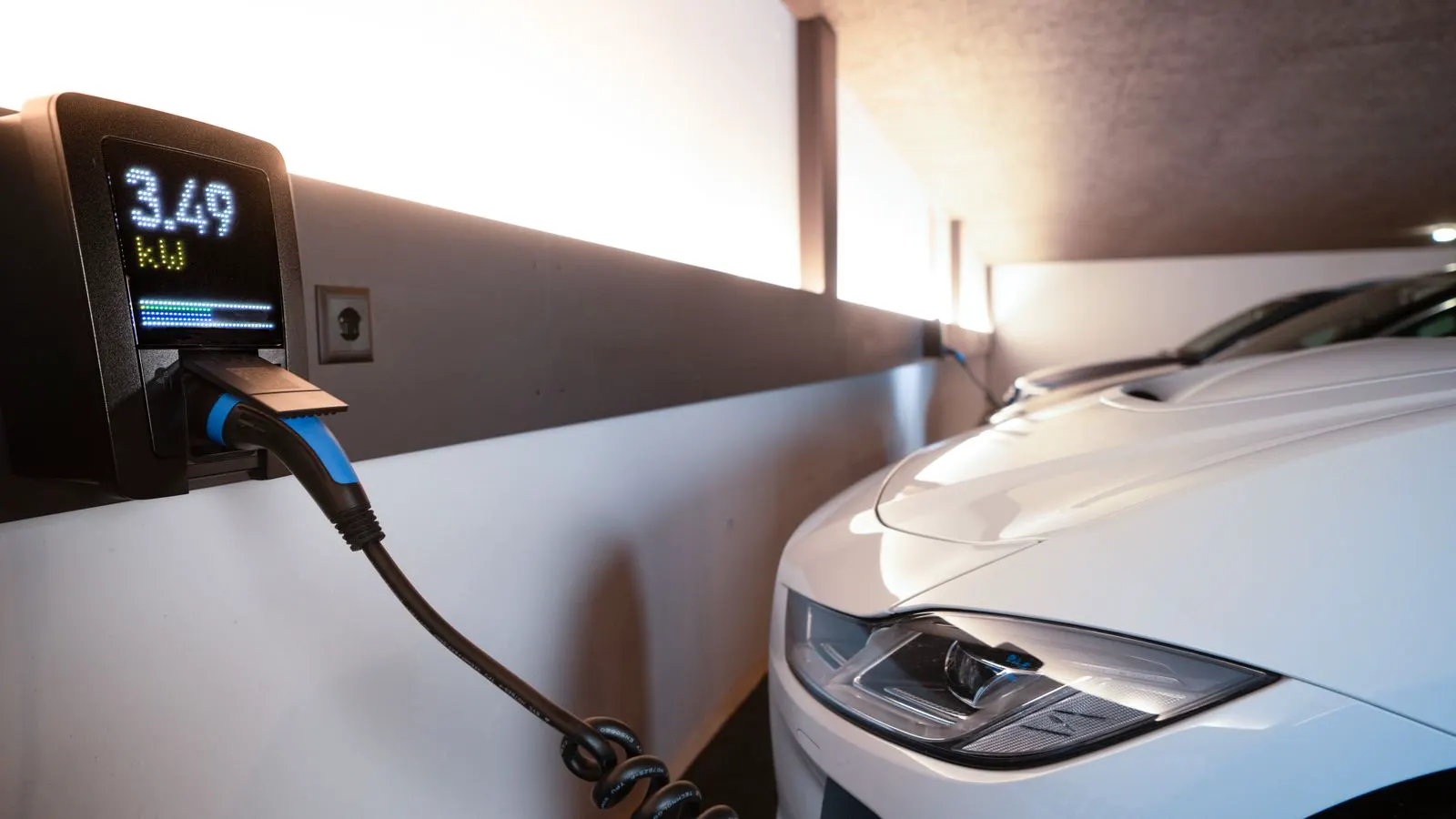
In electric forklifts, the symptom is often a shorter runtime or a need to recharge more frequently during the day. The battery may not be holding a charge, which increases the time spent at the charging station and reduces productivity.
| Symptom | Likely cause | What to do |
|---|---|---|
| Black smoke from exhaust | Dirty air filter or failing injectors | Replace air filter and inspect fuel injectors. |
| Low tire pressure | Puncture or slow air leak | Inflate tires to spec and check for damage. |
| High idle RPM | Idle speed set too high | Adjust idle speed to the manufacturer’s minimum. |
| Shorter runtime (Electric) | Battery degradation or faulty charger | Test battery cells and inspect charger connections. |
| Dragging or poor turning | Wheel alignment or worn brakes | Check alignment and service brake pads. |
| Excessive idling | Operator habit or cold start | Implement driving training and check cold start settings. |
Engine and Air Filtration Issues
The engine is the heart of a diesel or propane forklift. If it is not breathing properly, it consumes more fuel to maintain output. A dirty air filter restricts airflow, forcing the engine to work harder. This creates a rich fuel mixture that burns inefficiently.
Check the air filter during every routine service. If the filter element is black or clogged with dust, replace it immediately. In dusty environments, such as construction sites or warehouses with poor ventilation, filters may need replacement more often than the manual suggests.
Fuel injectors also play a major role. Worn or clogged injectors do not spray fuel evenly. This leads to incomplete combustion. The engine burns more fuel to compensate, and unburned fuel exits as black smoke. A professional inspection of the injectors is required if the smoke persists after a filter change.
Tire Pressure and Rolling Resistance
Tire condition is a major factor in fuel consumption, yet it is often overlooked. A forklift with low tire pressure requires more engine power to move the same load. This extra work translates directly into higher fuel usage.
Check tire pressure at the start of every shift. Pneumatic tires are usually rated for specific pressures depending on the load and surface. Solid tires do not lose air but can develop flat spots or uneven wear if the wheel is out of alignment.
Wheel alignment is another critical factor. If the tires are not parallel to the direction of travel, the forklift pulls to one side. The operator must constantly correct the steering, which adds wear and friction. This “pogo-stick” effect increases energy consumption.
Operator Habits and Driving Style
Human behavior is often the most significant variable in fuel consumption. An aggressive operator who accelerates quickly and brakes hard drains the fuel tank faster than a careful driver. The sudden demand for power causes the engine to operate in a less efficient range.
Idling is another common waste. Operators often leave the engine running while waiting for a pallet or a coworker. Every minute of idling burns fuel without producing work. Implementing a policy to shut down the engine during breaks can save significant amounts of fuel over a year.
Training is the best tool here. A short training session on smooth throttle application and proper braking techniques can make a noticeable difference. Encouraging operators to pre-position loads and minimize unnecessary travel also helps reduce the total distance covered by the machine.
Maintenance and Battery Health
For electric forklifts, fuel consumption is replaced by energy consumption. High energy use is usually tied to battery health. As batteries age, their capacity decreases. They may hold less charge, requiring more frequent recharging.
Check the battery connections for corrosion. Loose or corroded terminals cause resistance, which wastes energy as heat. Clean the terminals and ensure all cables are tight. This simple check can improve efficiency and extend battery life.
For lithium-ion systems, the Battery Management System (BMS) monitors cell health. If one cell degrades faster than the others, the system limits the overall capacity to protect the weaker cell. This results in less usable energy. A BMS diagnostic can reveal these internal issues before they become a major repair cost.
Preventing Future Fuel Waste
Prevention is cheaper than repair. A structured maintenance schedule is the first line of defense. Follow the manufacturer’s service intervals for oil changes, filter replacements, and fluid checks. Ignoring these steps leads to premature wear and higher operating costs.
Implement a daily inspection checklist for operators. This should include tire pressure, fluid levels, and any visible leaks. Catching a small issue early prevents it from becoming a major breakdown. Document these inspections so you can track trends over time.
Monitor fuel usage per shift. If you have a large fleet, use telematics or manual logging to track consumption. Compare the data against the baseline. If one unit is consistently using more fuel than others, investigate that unit specifically. This data-driven approach helps identify outliers and prevents small problems from becoming fleet-wide issues.
Conclusion
High fuel consumption in a forklift fleet is rarely a single problem. It is usually a combination of mechanical wear, operator habits, and environmental factors. By addressing tire pressure, air filtration, and driving style, you can significantly lower the forklift operating cost.
Start with the basics. Check the tires, clean the filters, and talk to your operators. If the problem persists, bring in a technician for a deeper engine or battery inspection. Small adjustments can lead to big savings over time.
Keep your fleet running efficiently to protect your bottom line. The cost of a fuel-efficient forklift is often lower than the cost of a broken one. Focus on prevention and regular maintenance to keep your material handling operations smooth and profitable.
Frequently asked questions
How often should I check tire pressure?
Check tire pressure at the start of every shift. This ensures the forklift is moving efficiently and prevents unnecessary fuel waste.
Can a dirty air filter really increase fuel consumption?
Yes. A restricted air filter forces the engine to work harder and burn a richer fuel mixture, leading to higher consumption and black smoke.
What is the most common cause of high fuel use in electric forklifts?
Battery degradation is the most common cause. As batteries age, they hold less charge, requiring more frequent recharging and reducing overall efficiency.
Does operator behavior affect fuel consumption?
Yes. Aggressive acceleration, hard braking, and excessive idling all increase fuel consumption. Training operators on smooth driving techniques can save money.
How can I track fuel consumption in my fleet?
Use telematics devices or a manual logging system to track fuel usage per shift. Comparing this data against a baseline helps identify problem units.