Outlook: How Rising Energy Prices Affect Forklifts
Rising energy prices increase forklift operating cost by changing fuel and electricity rates. To manage material handling budgets, buyers must evaluate forklift total cost of ownership, shift to efficient equipment, and implement strict charging and driving protocols.
- Rising energy prices push fuel and electricity costs to the top of the forklift operating cost list.
- Buyers should evaluate equipment efficiency and duty cycles before purchasing new units.
- Total cost of ownership planning requires flexible budgeting for utility rate changes.
- Operational discipline, such as proper charging and driving, directly reduces energy waste.
- Refurbished or electric options may offer better long-term value in high-cost energy environments.
The Shift in Energy Budgets
Energy prices have moved from a background line item to a primary driver of material handling costs. For many logistics operations, the cost of running a fleet has changed. Fuel and electricity now account for a larger share of the monthly operating expense than they did in previous years. This shift forces buyers to look closer at how equipment consumes power and how that consumption translates to the bottom line.
When energy costs rise, the impact is not uniform. It hits diesel, propane, and electric fleets differently. Diesel and propane units face direct price volatility at the pump or cylinder. Electric units face changes in utility rates, which can fluctuate based on local grid conditions. This variation means that a single fleet strategy will not work everywhere. A warehouse in a region with high electricity tariffs may see different pressure than a distribution center relying on natural gas or diesel.
The result is a need for sharper planning. Operations managers cannot rely on historical averages to predict next quarter’s expenses. The forklift operating cost model must now include a buffer for energy volatility. This changes how procurement decisions are made and how maintenance schedules are structured.
How Energy Prices Alter Operating Expenses
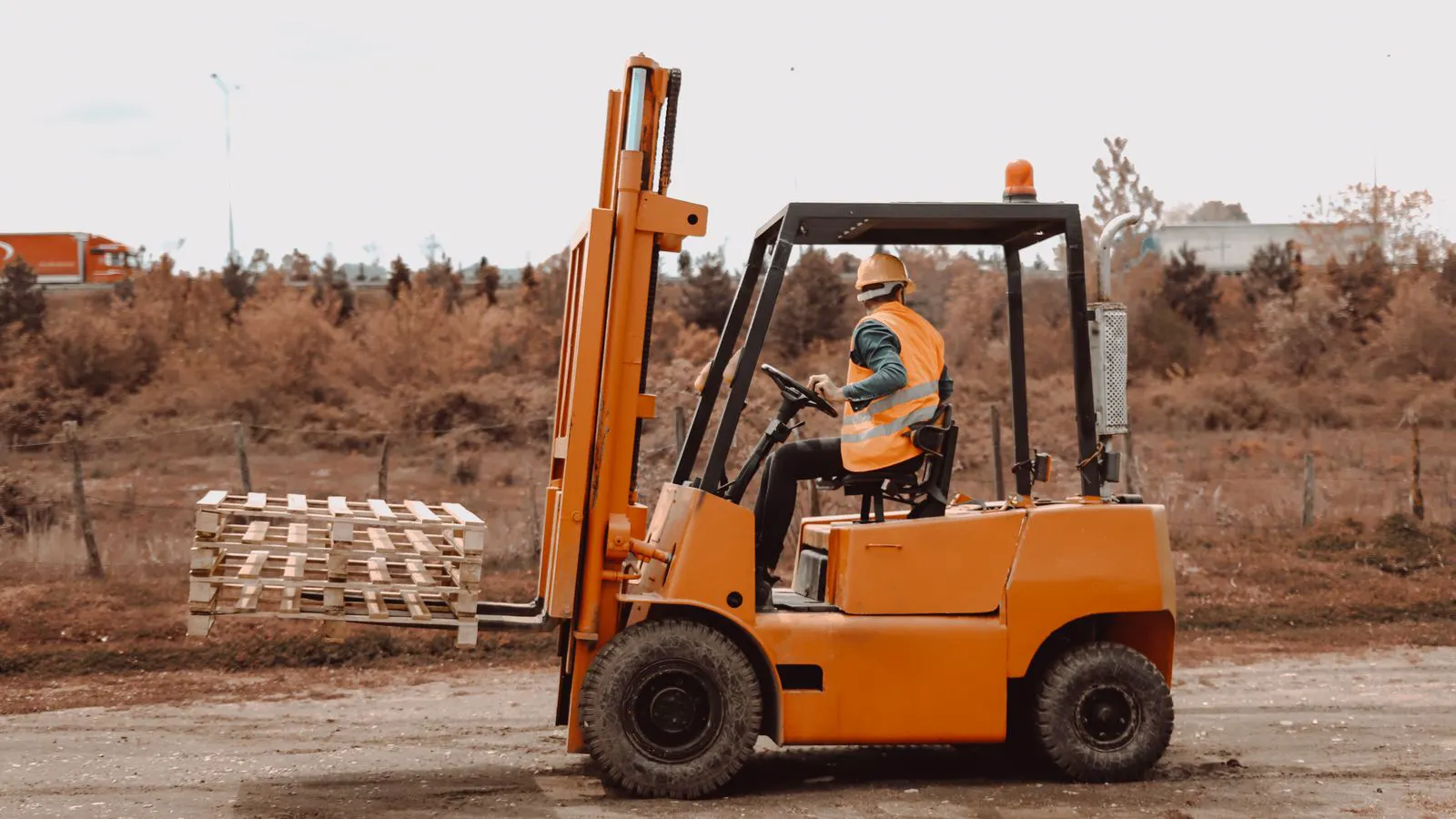
The direct impact of rising energy prices is a higher cost per hour of operation. For internal combustion forklifts, this is straightforward. The cost of diesel or propane per gallon or per cylinder determines the hourly burn rate. When those prices rise, the operating expense rises immediately. There is no lag. The truck burns the fuel as it runs.
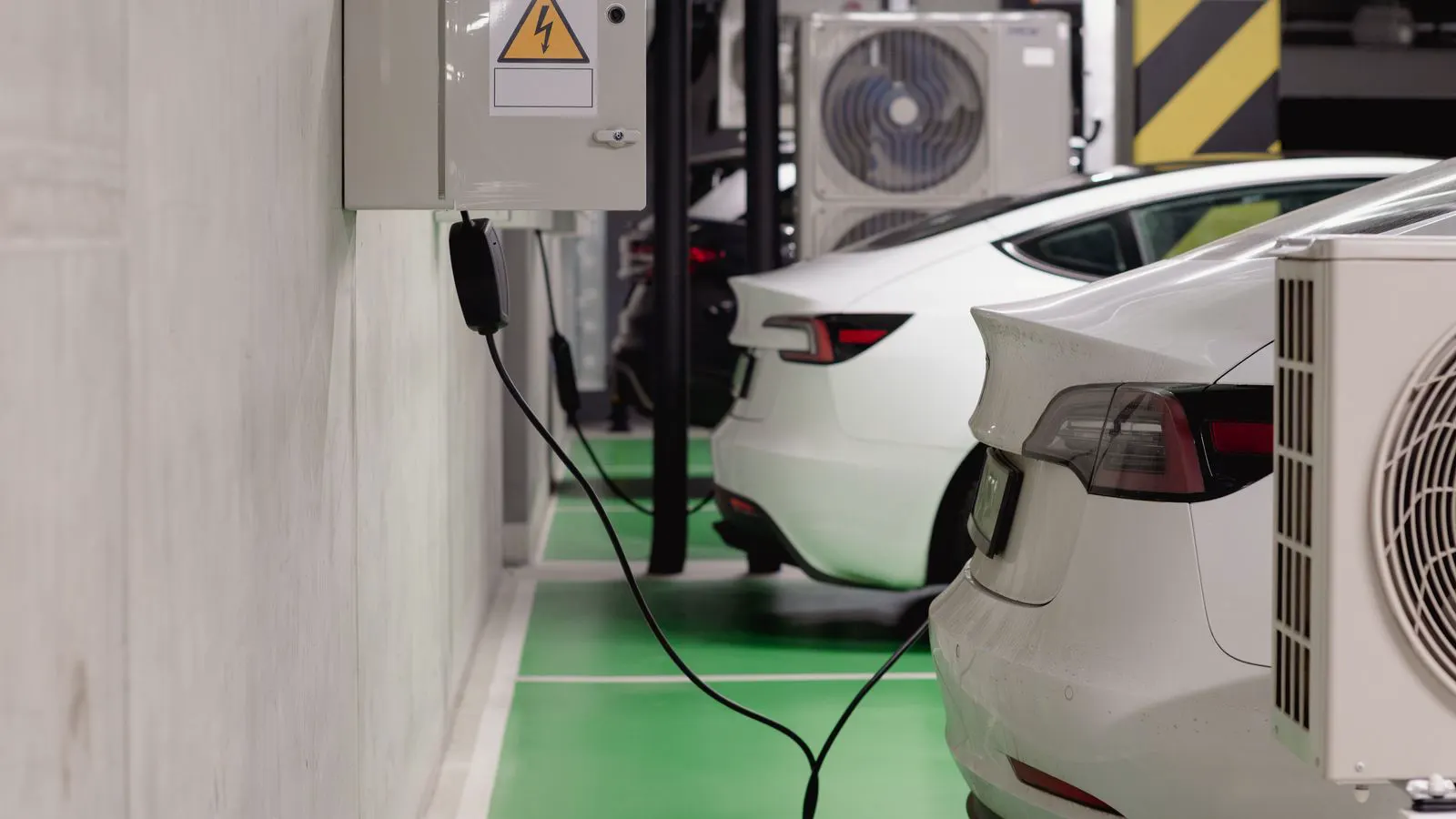
Electric forklifts behave differently but are still affected. The energy cost per kilowatt-hour changes with utility rates. Some facilities pay peak rates during the day and lower rates at night. If a facility charges trucks during peak hours, the cost per charge increases. This creates a hidden variable in the forklift operating cost calculation. The electricity bill is no longer a flat line. It responds to rate structures and demand charges.
Beyond the direct energy bill, rising energy prices can increase maintenance costs. Higher fuel prices may lead to more aggressive driving to reduce dwell time, which accelerates wear on tires, forks, and hydraulic systems. Conversely, some operators may restrict usage, leading to idle time and inefficiencies. Both scenarios add friction to the total cost of ownership. The energy expense is not just a utility bill. It is a signal that changes how the fleet is used and maintained.
Comparing Fuel and Electric Power in High-Cost Environments
The choice between fuel and electricity becomes more complex when energy prices are volatile. Diesel and propane offer flexibility. They do not depend on grid infrastructure or charging time. They can be stored on-site, providing a buffer against supply chain disruptions. However, the price of these fuels is tied to global markets. Volatility is high. A sudden spike in crude oil prices can double the cost of fuel within weeks.
Electric forklifts offer a different profile. The energy cost per mile is generally lower than internal combustion. However, the upfront capital cost of the trucks and the installation of charging infrastructure are higher. In environments with high electricity rates, the advantage of lower energy cost may be eroded. The decision depends on local utility rates and the specific duty cycle of the trucks.
The following table outlines the general trade-offs for different power sources under high energy cost conditions.
| Power Source | Energy Cost Driver | Volatility Factor | Infrastructure Needs | Typical Application |
|---|---|---|---|---|
| Diesel | Fuel per gallon | High | Fuel storage and handling | Outdoor yards, heavy duty |
| Propane | Cylinder price | Moderate | Cylinder storage and exchange | Warehouses, mixed duty |
| Electric (Lithium) | Utility rate (kWh) | Moderate to High | Charging stations, cabling | Indoor, high cycle |
| Electric (Lead Acid) | Utility rate (kWh) | Moderate | Charging stations, water | Indoor, standard cycle |
This comparison is not static. A facility might find that a diesel truck is cheaper in a high-fuel-price environment if the electric rate is also high. Conversely, a facility with low off-peak electricity rates might see electric trucks become significantly more attractive. The key is to model the cost based on the actual rates in the specific location.
The Impact on Total Cost of Ownership
Forklift total cost of ownership extends beyond the purchase price. It includes energy, maintenance, downtime, and disposal. When energy prices rise, the energy component of this equation expands. This can change the ranking of different equipment options. A truck that was previously a close second in total cost might now fall out of the running. A more efficient model with a higher purchase price might become the better financial choice.
Buyers need to recalculate their TCO models. The standard calculation often assumes a stable energy cost. This assumption is no longer reliable. A more realistic model includes a range of energy costs. It also factors in the potential for rate changes over the asset’s life. For electric trucks, this means looking at the utility rate structure for the entire period of ownership, not just the current bill.
Maintenance costs also interact with energy costs. If energy is expensive, operators may push trucks harder to save time, leading to increased wear. They may also skip scheduled maintenance to keep trucks on the floor, which leads to breakdowns. Both behaviors increase the total cost of ownership. The energy price signal forces a change in operational discipline.
Planning for Volatility in Your Budget
To manage material handling costs, operations need a budget that accounts for volatility. A flat budget line for energy is no longer sufficient. A variable budget approach is better. This means setting a baseline cost for energy and adding a contingency buffer. The buffer should reflect the historical variability of energy prices in the region.
Some facilities use hedging strategies for fuel. This involves purchasing fuel at a fixed price for a set period. This reduces the impact of sudden price spikes. For electric fleets, some facilities use time-of-use rates. They program the chargers to pull power during off-peak hours when rates are lower. This requires access to utility rate information and the ability to adjust charging schedules.
Budget planning should also include a review of energy efficiency. This is not just about buying new trucks. It is about optimizing the current fleet. This includes checking for air leaks in pneumatic systems, ensuring tires are properly inflated, and training drivers to avoid unnecessary acceleration. Small efficiencies add up over thousands of hours of operation.
Operational Adjustments to Reduce Energy Waste
Energy waste is a major hidden cost. In many facilities, trucks run longer than necessary or idle for extended periods. These practices increase the forklift operating cost without adding value. Reducing waste is one of the most effective ways to mitigate the impact of rising energy prices.
For electric trucks, the charging process is a major area for efficiency. Lead-acid batteries require a full charge, which can take many hours. If the charger is set to a high current, it generates heat and wastes energy. Using a lower current, or a smart charger that tapers the charge rate, can reduce energy consumption. Lithium batteries charge faster and require less maintenance, but they still benefit from proper charging protocols.
For internal combustion trucks, idle time is a direct cost. Every minute the engine runs without the truck moving burns fuel and wears components. Operators should be trained to shut down the engine when the truck is stationary for more than a few seconds. This simple habit can significantly reduce the energy bill.
Maintenance is another area where energy efficiency is lost. Worn tires roll with more resistance. Leaking hydraulic cylinders waste power. A regular inspection schedule can identify these issues early. Fixing a small leak is cheaper than replacing a major component. It also reduces the energy required to lift loads.
Evaluating New vs Refurbished and Electric Options
Rising energy costs change the economics of equipment selection. New trucks offer the latest efficiency features. They may have better battery management systems, more efficient motors, and improved aerodynamics. These features reduce energy consumption over the life of the truck. The higher purchase price is justified by lower operating costs.
Refurbished trucks can also be a strong option. They offer a lower purchase price and have already absorbed some of the depreciation. However, their efficiency may be lower than that of a new truck. A refurbished diesel truck may burn more fuel than a new one. A refurbished electric truck may have degraded batteries that require more energy to charge. The total cost of ownership calculation must account for these differences.
Electric options are particularly relevant in high-energy-cost environments. The lower energy cost per mile can offset the higher purchase price. However, the infrastructure cost must be considered. Installing charging stations can be expensive. If a facility already has the infrastructure, the switch to electric may be straightforward. If not, the capital investment must be weighed against the long-term energy savings.
The decision should be based on the specific duty cycle. If a truck runs for only a few hours a day, the energy savings from a new, efficient model may take years to recoup. If a truck runs for many hours a day, the energy savings are immediate. The more the truck is used, the more the efficiency of the power source matters.
Preparing for the Future of Energy Costs
The energy market is not static. It will continue to fluctuate based on global events, weather, and policy changes. Facilities must prepare for this reality. This means building flexibility into their material handling budgets. A rigid budget will struggle to cope with sudden price changes.
One way to prepare is to monitor energy rates regularly. This allows operations to adjust their strategy as rates change. If electricity rates drop, the case for electric trucks becomes stronger. If fuel prices fall, the case for internal combustion trucks may improve. Keeping an eye on the market allows for timely adjustments.
Another way to prepare is to invest in energy-efficient infrastructure. This includes LED lighting, variable speed drives for motors, and smart building controls. These investments reduce the overall energy demand of the facility. They make the operation more resilient to price volatility.
Finally, training is critical. Operators are the front line of energy efficiency. They need to understand how their actions impact the energy bill. Training should cover proper driving techniques, charging protocols, and maintenance checks. A well-trained operator can save a significant amount of energy without changing equipment.
Rising energy prices are a reality that cannot be ignored. They change the forklift operating cost landscape. They force buyers to think differently about material handling costs. The path forward is clear. Use data to make decisions. Optimize operations to reduce waste. And build a budget that can handle volatility. These steps will help facilities manage their total cost of ownership in a high-energy-cost environment. The goal is not to predict the future. It is to prepare for it.
Frequently asked questions
How do rising energy prices affect forklift operating cost?
Rising energy prices directly increase the cost of fuel and electricity used by forklifts. This raises the hourly operating expense and can shift the financial balance between fuel and electric power sources.
What is the impact on total cost of ownership?
The impact is a higher energy line item in the TCO calculation. This can change the relative value of different equipment models and may require a higher purchase price to be justified by lower energy costs over time.
Can operational changes reduce energy costs?
Yes. Reducing idle time, optimizing charging schedules, and maintaining equipment properly can significantly lower energy consumption. These practices reduce the forklift operating cost even if the energy price remains high.
Is electric always cheaper than diesel when energy prices rise?
No. The cost depends on local utility rates, the duty cycle of the trucks, and the existing infrastructure. Electric trucks are often more efficient, but the break-even point varies by location and usage pattern.
How should I budget for energy volatility?
Use a variable budget approach with a baseline cost and a contingency buffer. Monitor local energy rates regularly and adjust your strategy as rates change. This allows the budget to absorb price fluctuations.