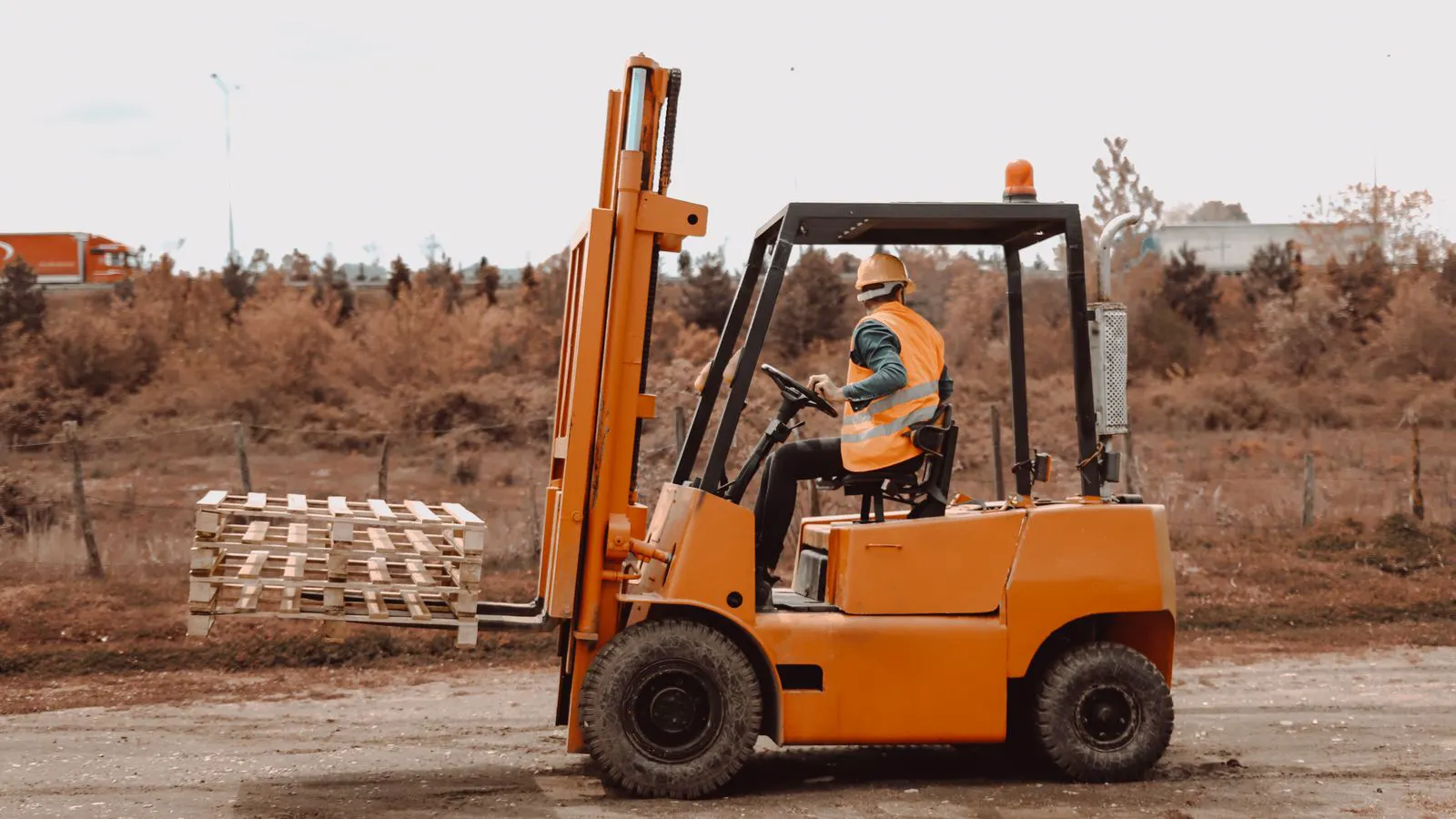
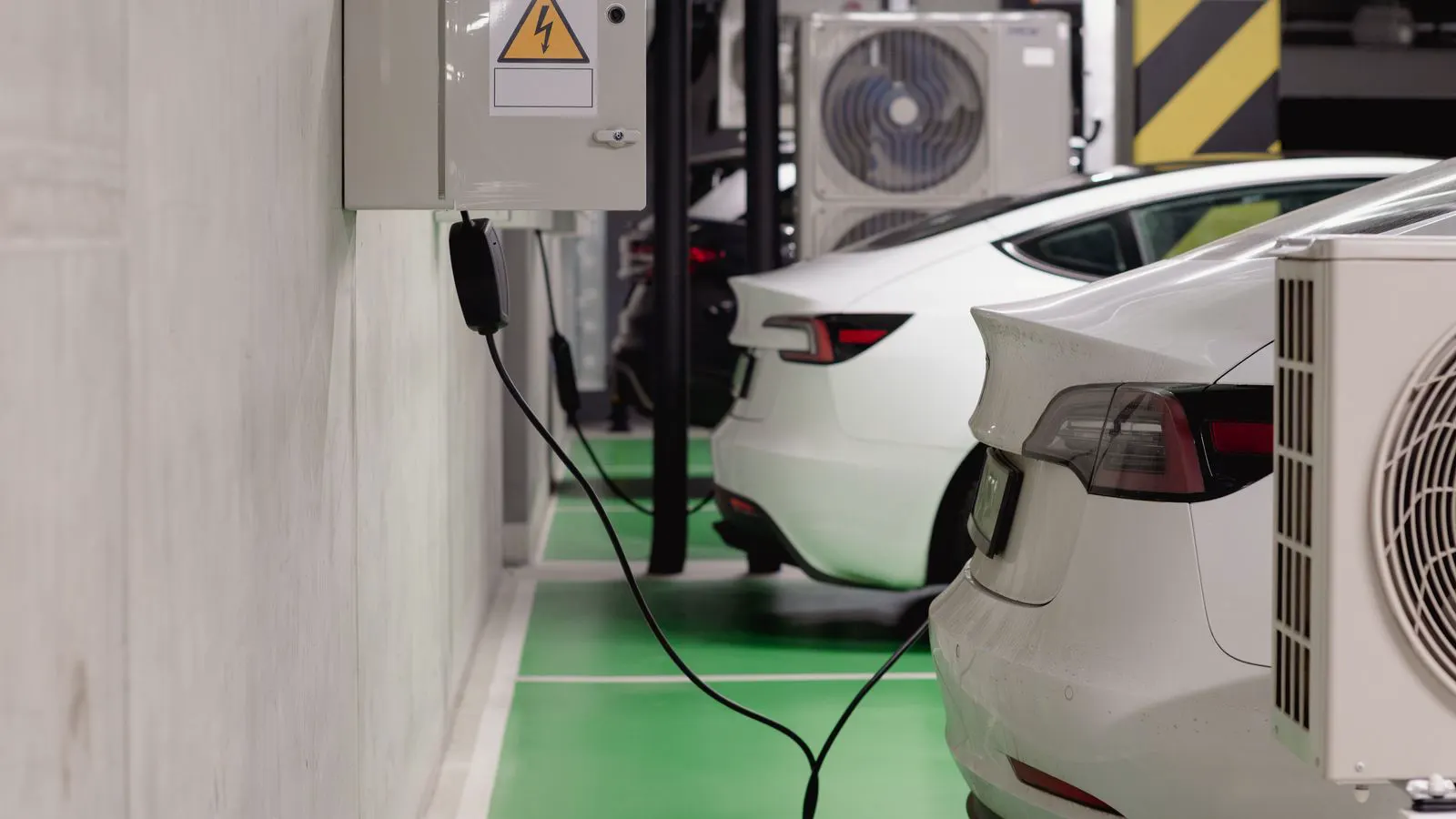
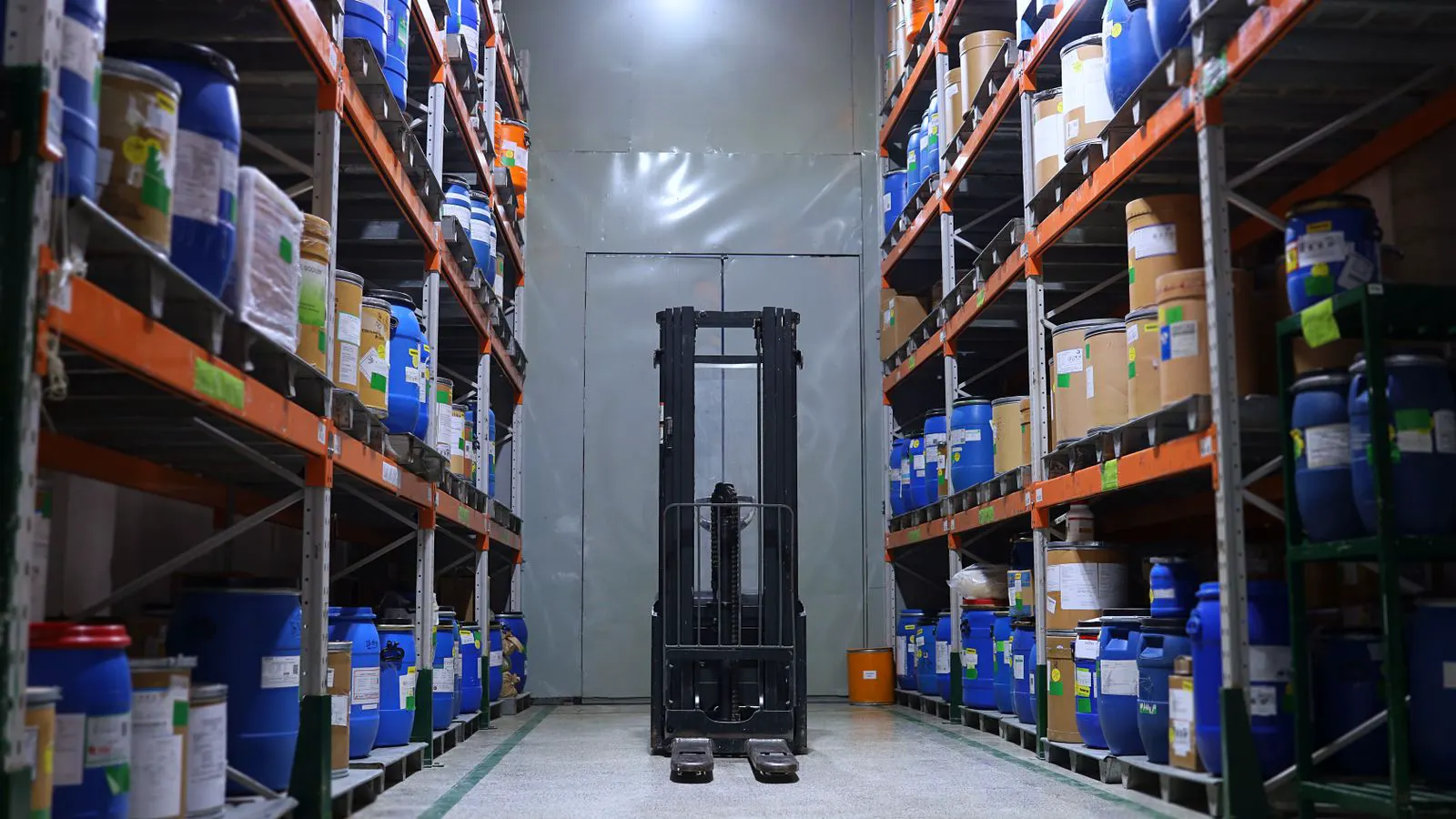
Comparison: New vs Refurbished Electric Forklifts
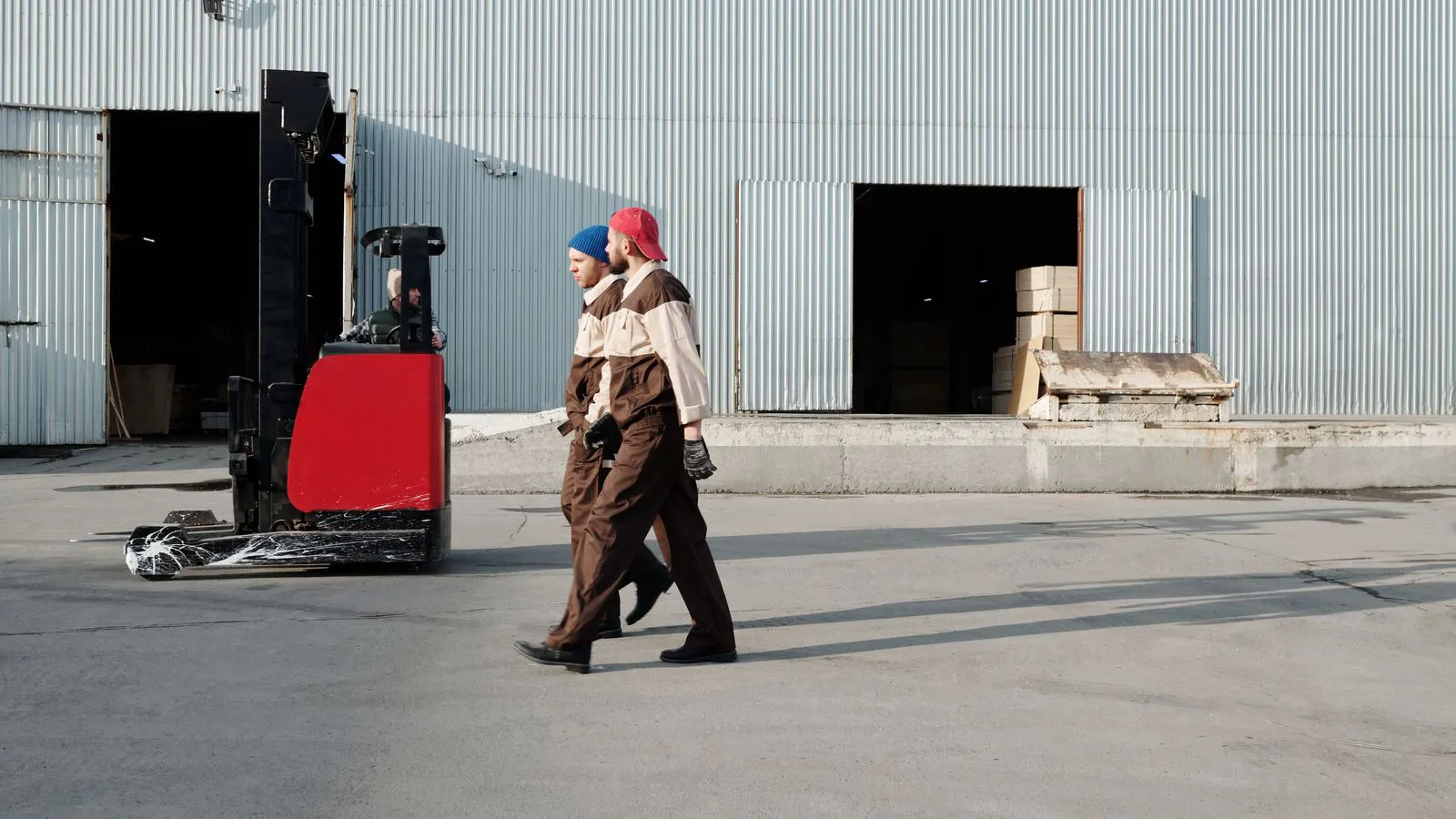
A refurbished electric forklift lowers the initial purchase price but carries higher residual risk. A new unit costs more upfront but offers predictable maintenance, warranty coverage, and lower long-term total cost for heavy daily use.
- Refurbished units reduce the upfront purchase price but require rigorous inspection to verify battery health and structural integrity.
- New electric forklifts carry a higher purchase price but include warranty coverage that reduces unexpected repair costs.
- Operating costs, such as electricity and battery maintenance, often dominate the total cost over time.
- The right choice depends on duty cycle, budget certainty, and tolerance for downtime risk.
- Total cost of ownership calculations must include downtime, maintenance, and battery replacement, not just the invoice price.
Why the upfront price difference matters
A refurbished electric forklift often carries a sticker price that is substantially lower than a new unit of the same model class. This difference is not theoretical. A buyer with a tight capital budget can redirect the saved funds toward additional charging infrastructure, energy efficiency upgrades, or the acquisition of a second machine to cover peak demand.
However, the lower price tag comes with a distinct risk profile. A used or refurbished machine has already accumulated operating hours, battery cycles, and mechanical stress. Its service history may be incomplete, and its remaining useful life may be shorter than expected. The risk is not just that the machine will fail. It is that the failure may be difficult to diagnose, expensive to fix, or sudden in nature.
When evaluating the electric forklift total cost, the invoice price is only the starting point. The true cost includes maintenance, downtime, energy consumption, and eventual disposal or resale value. A machine that is cheap to buy but expensive to run is a poor investment, regardless of its initial sticker price.
How to inspect a refurbished unit
Do not rely on a seller’s description. Inspect the machine physically. A cosmetic refurbishment can hide significant mechanical issues. Bring a technician or a trusted colleague who understands forklift systems.
Check the following:
- Battery condition. Look for swelling, cracked casing, corroded terminals, and uneven electrolyte levels if the unit uses a flooded battery. Check the battery management system logs if available. A battery that has passed its expected cycle life will not hold a full charge, reducing the machine’s productivity per shift.
- Drive system. Listen for whining or grinding in the motor and gear reduction. Check for excessive play in the steering column. Test the acceleration and deceleration. A smooth drive system indicates healthy components, while hesitation or jerking suggests wear in the transmission or motor.
- Structural integrity. Inspect the mast, backrest, and frame for weld cracks, bent rails, or bent lift chains. Check the lift chains for elongation. Structural damage compromises safety and can lead to catastrophic failure under load.
- Electronics. Test the controller, display, and safety sensors. Verify that the charge port and communication modules function correctly. Check for error codes that may indicate intermittent faults. A malfunctioning controller can cause unpredictable behavior, such as sudden loss of power or erratic speed control.
A thorough inspection can reveal issues that a cosmetic refurbishment hides. If the machine has a service history, request the records. Look for records of major component replacements, such as the battery pack, drive motor, or mast. If it does not, treat the unit as an unknown. An unknown machine requires a larger repair reserve in your cost model.
When a new unit is the better choice
A new electric forklift is the better choice when the machine will operate at high intensity. If the unit runs multiple shifts daily, handles heavy loads, or operates in a controlled environment where downtime is costly, the higher purchase price is often justified.
New machines include a warranty. That warranty shifts the risk of early failure back to the manufacturer. If the battery pack fails in year one, the buyer is not responsible for the repair cost. The warranty also covers labor and parts, which can be significant for major components.
New units also benefit from the latest efficiency standards. Battery management systems, regenerative braking, and low-friction drivetrains reduce energy consumption. Over a multi-year period, those savings can offset part of the higher purchase price. A new unit typically requires fewer unplanned repairs, leading to more predictable maintenance costs.
The forklift operating cost for a new electric machine is generally more predictable. Maintenance intervals are standardized, and parts availability is guaranteed through the manufacturer’s supply chain. This predictability is valuable for operations that rely on precise throughput data.
When a refurbished unit is the better choice
A refurbished electric forklift makes sense when the duty cycle is moderate or intermittent. If the machine operates one shift per day, handles lighter loads, or serves as a backup unit, the lower purchase price may be acceptable.
Refurbished units are also suitable for short-term projects or seasonal operations. If the machine will be in service for two to three years and then sold, the buyer does not need the full lifespan and warranty coverage of a new unit.
The key is to buy from a reputable source. Reputable refurbishers perform component replacement, not just cleaning. They replace worn parts, recharge or replace batteries, and provide a limited warranty. That limited warranty is not the same as a new machine warranty, but it provides some protection.
The risk is higher with a refurbished unit. Battery degradation is the most common failure point. If the battery capacity has dropped below 70 percent of its original rating, the machine may not meet the operator’s productivity needs. A battery with reduced capacity requires more frequent charging, which can interfere with operations and increase energy costs.
Comparing the cost components
The table below summarizes the cost factors for each option.
| Option | Best for | Limitations |
|---|---|---|
| New electric forklift | High duty cycle, long service life, strict uptime requirements | Higher upfront purchase price, longer lead time for delivery |
| Refurbished electric forklift | Moderate duty cycle, budget constraints, short-term use | Higher risk of unexpected failure, shorter warranty, potential battery degradation |
| Certified used (non-refurbished) | Interim use, light load handling | Unknown service history, no warranty, higher maintenance frequency |
| Rental (new or used) | Seasonal projects, testing duty cycles | No ownership, recurring cost, limited customization |
The forklift purchase price is the most visible cost. It is also the least reliable indicator of total cost. A unit that costs less to buy may cost more to operate if it requires frequent repairs or has low energy efficiency.
How to calculate the true total cost
To compare the options accurately, build a simple total cost model. Include the following line items:
- Purchase price or acquisition cost.
- Delivery and installation.
- Energy cost over the expected service life.
- Planned maintenance.
- Unplanned maintenance or repair reserves.
- Downtime cost per hour.
- Resale or disposal value at the end of the period.
The downtime cost is often overlooked. If a forklift fails and stops production for eight hours, the cost is not just the repair. It is the lost output, overtime paid to the operator, and potential delivery penalties. Calculate this cost by multiplying the hourly cost of production by the expected downtime hours.
A refurbished unit with a 15 percent lower purchase price may require a 20 percent higher maintenance reserve. If the machine fails during a peak shipping week, the total cost may exceed that of a new unit.
Which option should you choose
Choose a new electric forklift when the machine is a core asset. If the operation cannot afford downtime, if the duty cycle is high, or if the service life exceeds five years, the new unit is the safer investment.
Choose a refurbished unit when the budget is tight and the duty cycle is moderate. If the machine will run one shift, handle standard pallets, and be replaced in three to four years, the lower purchase price can be acceptable.
The decision is not just about the machine. It is about the risk tolerance of the operation. A buyer who cannot afford a two-day repair delay should not take the risk with an unknown refurbished unit. A buyer who can absorb short-term downtime may save significant capital by purchasing a refurbished machine.
Final considerations
The electric forklift total cost is a multi-year calculation. It includes the purchase price, the operating cost, and the risk of failure. A refurbished unit can be a sound financial decision if the inspection is thorough and the duty cycle matches the machine’s remaining life.
A new unit costs more on day one. It costs less in uncertainty. For most operations that run electric forklifts daily, the new unit is the more predictable investment.
Review the machine’s expected hours, the battery condition, and the warranty terms before signing. The price tag is only the beginning.
Frequently asked questions
What is the main difference between a new and a refurbished electric forklift in terms of total cost?
A new unit has a higher purchase price but lower risk of failure and a longer warranty. A refurbished unit has a lower purchase price but may have higher maintenance costs and shorter battery life.
How much should I budget for maintenance on a refurbished electric forklift?
Budget for higher maintenance frequency than a new unit. Include reserves for battery replacement, which is the most common major repair.
Can I get a warranty on a refurbished electric forklift?
Yes, reputable refurbishers offer a limited warranty. This is typically shorter and more limited than a new machine warranty.
What is the best way to verify the battery condition of a refurbished unit?
Request a load test report and inspect the battery casing for physical damage. Check the charge acceptance and capacity during the inspection process.
Is a refurbished electric forklift suitable for multi-shift operations?
Generally, no. Multi-shift operations put high stress on batteries and motors. A new unit is better suited for that duty cycle due to its longer lifespan and warranty coverage.