Cost and Lead Time for Electric Forklifts vs Diesel
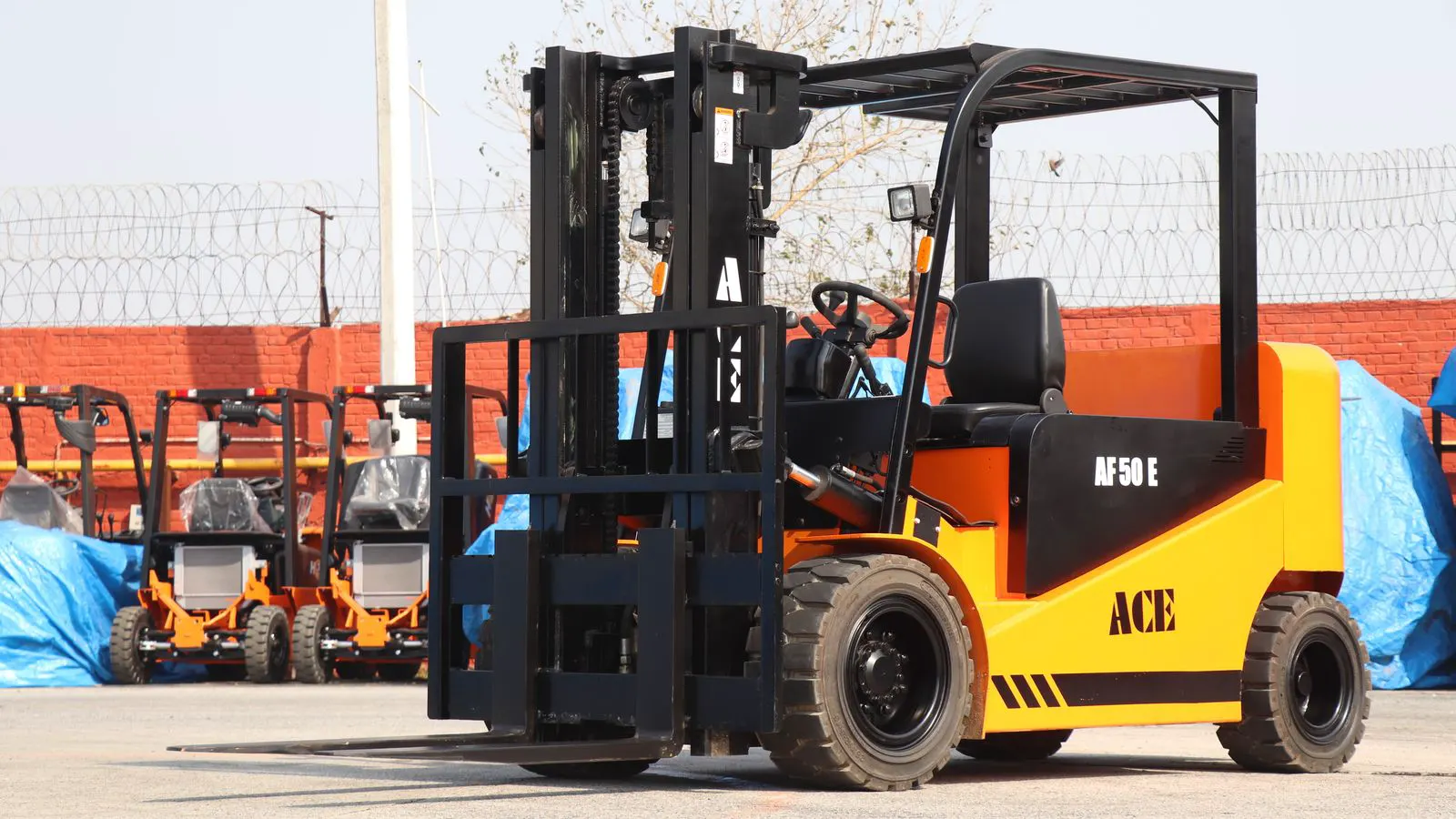
An electric lift truck typically carries a higher initial purchase price than a diesel unit, but lower operating costs can offset this over time. Delivery times vary significantly based on powertrain, battery type, and custom configuration. This guide breaks down the factors that drive these differences.
- An electric lift truck often has a higher upfront purchase price than a diesel equivalent due to battery and motor components.
- Total cost of ownership shifts toward electric units when energy costs are factored in over a multi-year horizon.
- Delivery time for an electric lift truck depends heavily on battery configuration, charger lead times, and factory production schedules.
- A well-structured RFQ helps ensure apples-to-apples comparisons when evaluating quotes from multiple suppliers.
- Hidden costs like site preparation, charging infrastructure, and maintenance differences must be included in the total cost comparison.
Why the Purchase Price Differs
The sticker price of a new lift truck is only the first line item in the budget. An electric lift truck generally costs more to buy than a comparable diesel unit. The difference comes from the powertrain architecture.
Electric trucks use a traction motor, an inverter, and a battery pack. Diesel trucks use an internal combustion engine, a transmission, and a fuel tank. The battery and motor assembly carries a significant material and engineering cost. This is not a temporary premium. It reflects the complexity of the components and the manufacturing process.
However, the purchase price does not tell the whole story. Diesel trucks require a fuel system, an exhaust system, a larger cooling package, and a different set of transmissions. They also have higher ongoing fuel and maintenance costs. The comparison must move beyond the invoice.
When evaluating a quote, ask for the total cost of ownership over a three to five year period. This includes fuel or electricity, routine maintenance, major service intervals, and any required site upgrades.
What Drives the Procurement Cost
Several factors push the price up or down for any lift truck, but a few are specific to electric powertrains.
Battery Type and Chemistry
The battery is the single largest cost driver. A standard lead-acid battery is less expensive than a lithium-ion pack. Lithium offers higher energy density, faster charging, and a longer cycle life. It also requires a different management system. The choice here dictates a large portion of the base price.
Charger and Infrastructure
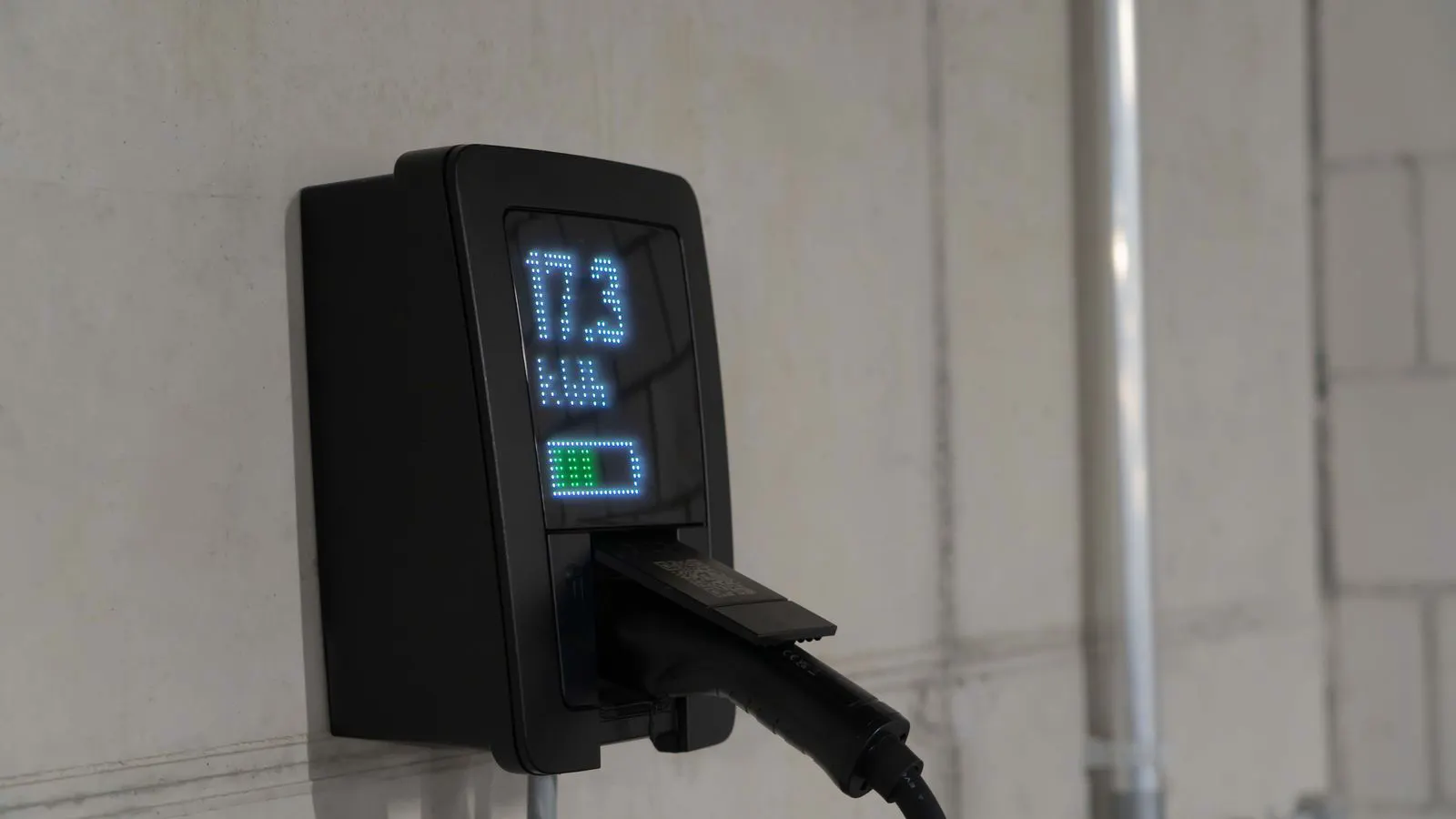
An electric lift truck does not run on its own. It needs a charger. A standard battery charger is cheaper than a high-rate or smart charger. Smart chargers communicate with the truck to optimize charge cycles. This can extend battery life and reduce downtime. The charger must be sized correctly for the battery capacity. An undersized charger forces longer dwell time. An oversized charger increases capital expenditure without proportional benefit.
Site Preparation
This is a cost often missed in early planning. A diesel truck parks in a bay. An electric truck needs a charging station. That station needs a power supply. If the existing electrical panel does not have enough capacity, an upgrade is required. This can involve new breakers, new wiring, or a dedicated circuit. The cost of this work varies widely based on the facility’s electrical layout. It is not a one-time cost if multiple trucks are added over time.
Customization
Both diesel and electric trucks can be customized. However, electric trucks have fewer options for certain modifications. For example, adding a lift height or a specific attachment may require a different motor torque or a different battery voltage. These changes can trigger a longer production cycle and a higher price.
How Delivery Time Changes with Powertrains
An electric lift truck often has a longer lead time than a diesel unit. This is not always the case, but it is a common pattern. The delay comes from the supply chain for battery cells and power electronics.
Battery Cell Availability
Battery cells are manufactured in limited facilities. The lead time for cells can be several months. A truck cannot be built until the cells arrive. The assembly process is faster than building a diesel engine, but the waiting time for the cells is longer.
Charger Lead Time
The charger is a separate product. It has its own production schedule. If the charger is a standard model, it may be in stock. If it is a custom or high-rate model, it may take weeks to produce. The truck and the charger must be delivered together or in a coordinated sequence.
Custom Configuration
A standard electric truck with a standard battery and standard charger may ship quickly. A custom electric truck with a specific battery chemistry, a smart charger, and a special attachment may take longer. The factory must build the powertrain, assemble the truck, and test the charging system. Each step adds time.
Factory Production Slots
Factories run on a schedule. A standard truck may be built to order. A custom truck may have to wait for a production slot. The lead time is the sum of the waiting time for components and the time to build and test the truck.
How to Write a Clear RFQ
A Request for Quote (RFQ) is a document. It is not a casual email. It needs to be specific.
-
State the Application. Describe the warehouse, the floor type, the temperature, and the duty cycle. A forklift that runs 8 hours a day in a cold warehouse is different from one that runs 4 hours a day in a heated warehouse. The battery and charger must be sized for the actual use.
-
Define the Powertrain. Specify the voltage and the battery chemistry. If you want lithium, say so. If you want lead-acid, say so. Do not assume the supplier will guess.
-
Specify the Charger. State the desired charging rate. If you need a fast charger, say so. If you need a smart charger with telemetry, say so. The charger is part of the truck. It is not an afterthought.
-
Request Total Cost. Ask for the price of the truck, the price of the charger, and the estimated cost of site preparation. Ask for the maintenance schedule and the estimated cost of routine service. Ask for the expected delivery time from the date of order.
-
Set the Comparison Criteria. Tell the supplier how you will compare quotes. You will compare total cost of ownership, not just the sticker price. You will compare delivery time, not just availability. You will compare the warranty, not just the price.
A clear RFQ saves time. It reduces the number of back-and-forth emails. It gets you quotes that are actually comparable.
How to Compare Quotes Fairly
Suppliers will give you different prices. This is normal. The goal is to compare them on the same basis.
| Cost Driver | Electric Lift Truck | Diesel Lift Truck |
|---|---|---|
| Purchase Price | Higher due to battery and motor | Lower due to simpler powertrain |
| Fuel/Energy | Electricity, usually lower per cycle | Diesel fuel, higher per cycle |
| Charger/Infrastructure | Required, adds capital cost | Not required |
| Maintenance | Fewer moving parts, lower routine cost | More moving parts, higher routine cost |
| Delivery Time | Longer due to battery and charger lead times | Shorter due to standard supply chain |
| Total Cost of Ownership | Competitive or lower over time | Higher over time due to fuel and service |
The table shows the main cost drivers. The electric lift truck has a higher purchase price. It has a higher infrastructure cost. It has a longer delivery time. It has lower energy and maintenance costs. The total cost of ownership depends on the usage pattern. A truck that runs 8 hours a day will see a faster payback period. A truck that runs 4 hours a day will see a slower payback period.
When comparing quotes, look at the total cost over five years. Look at the delivery time. Look at the warranty. Look at the maintenance schedule. Do not just look at the price.
Common Mistakes in the Switch
Ignoring the Charger
Many buyers focus on the truck and forget the charger. The charger is a major cost. It is also a major source of downtime if it is not sized correctly. An undersized charger means longer charging time. A longer charging time means less availability.
Underestimating Site Work
The electrical work can be expensive. It can be delayed. It can take weeks to complete. If the truck arrives before the site is ready, the truck sits. The cost of idle time is higher than the cost of the truck.
Assuming a One-to-One Swap
An electric lift truck is not a diesel lift truck with a battery. It is a different machine. It has different handling characteristics. It has different maintenance requirements. It has different operator training needs. The switch requires a change in operations, not just a change in fuel.
Not Considering the Warranty
The battery warranty is different from the engine warranty. The battery warranty covers the cells and the management system. It does not cover the truck. The engine warranty covers the engine. It does not cover the battery. Read the warranty carefully. Know what is covered and what is not.
Final Check
The switch from diesel to electric is a financial and logistical decision. The electric lift truck has a higher purchase price. It has a longer delivery time. It has a higher infrastructure cost. It has lower operating costs.
The comparison must be made over a multi-year period. The total cost of ownership must be calculated. The delivery time must be planned for. The site preparation must be done before the truck arrives.
A clear RFQ and a fair comparison of quotes will give you the information you need. The decision is not about the sticker price. It is about the total cost and the total time.
Frequently asked questions
Why is the purchase price of an electric lift truck higher than a diesel unit?
The electric powertrain includes a battery pack and a traction motor. These components have a higher material and engineering cost than the internal combustion engine and fuel system found in a diesel truck.
How long does it take to deliver an electric lift truck?
Delivery time depends on the battery chemistry, the charger model, and the factory production schedule. A standard configuration may ship in weeks. A custom configuration may take several months.
What is the biggest hidden cost when switching to electric?
Site preparation is the most common hidden cost. The electrical work required to install the charging station can be expensive and time-consuming. It must be completed before the truck can be put into service.
How do I compare an electric quote with a diesel quote?
Use a total cost of ownership model over a three to five year period. Include fuel or electricity, maintenance, infrastructure, and delivery time. Do not compare only the purchase price.
Does the battery type affect the delivery time?
Yes. Lithium-ion batteries have a longer supply chain lead time than lead-acid batteries. The truck cannot be built until the cells arrive. This can add weeks to the delivery time.