How Reach Truck Lift Speed Affects Warehouse Throughput
Reach truck lift speed directly affects warehouse throughput by changing cycle time and aisle congestion. Faster vertical movement shortens travel to high racking levels, but only if the operator, load, and rack spacing allow it. The right speed profile supports material handling efficiency.
- Lift speed is a cycle-time variable, not just a comfort setting.
- Faster vertical travel can raise throughput only when racking, pallet size, and operator skill match.
- A matched reach truck profile reduces idle time and congestion in high-bay aisles.
- Sourcing decisions should include lift speed, travel speed, and control response.
- Monitoring lift patterns helps identify whether throughput losses come from the truck or the slotting plan.
What Lift Speed Means in a Reach Truck
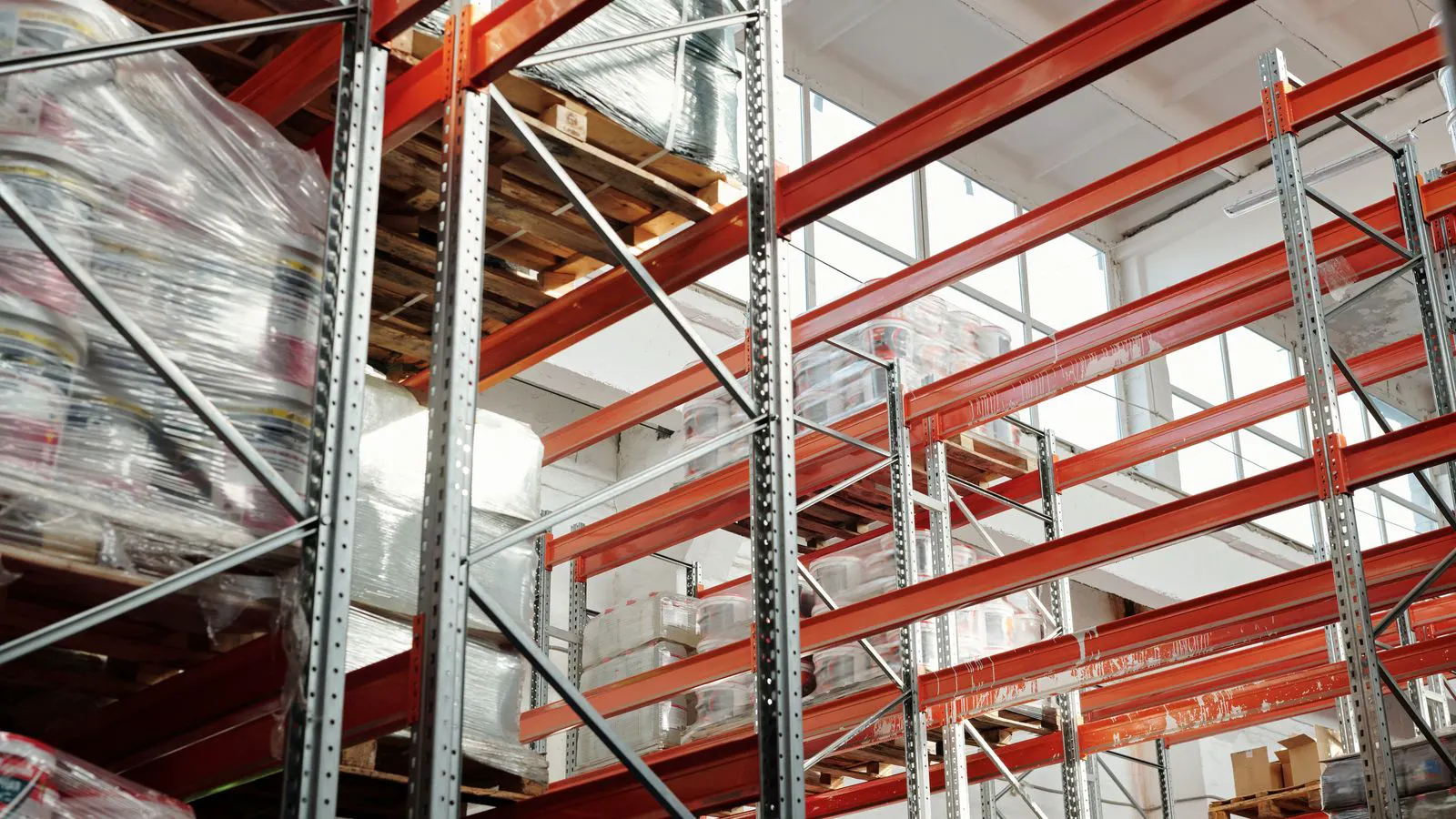
Lift speed is the rate at which the reach truck mast raises or lowers the forks, usually expressed in meters per minute or inches per second. It is distinct from travel speed, which covers forward and backward movement on the floor. A reach truck can move quickly through an aisle and still be slow when it climbs the racking levels. That gap matters when the warehouse stores high-density inventory on mezzanine levels or narrow-aisle racks.
The term material handling efficiency covers the total time from order release to pallet placement, including picking, travel, lifting, and putaway. Warehouse throughput is the number of pallets, cases, or units moved per shift. Lift speed sits between those two: it changes the vertical portion of each cycle. If a warehouse stores most inventory in the top bays, a slower lift can become the main limit on throughput.
How Lift Speed Changes Cycle Time
Each pick or putaway cycle includes several steps. The operator travels to the slot, aligns the forks, inserts the reach, lifts the pallet, reverses to the aisle, and delivers the load. The lift phase is short in seconds, but it repeats hundreds of times per shift. A one-second reduction per cycle multiplies quickly across the day.
The effect depends on where the load sits. A pallet on the first bay changes cycle time less than a pallet on the fifth bay. High-bay picking also requires more careful insertion and release. If the mast is too slow, the operator waits while the forks climb, and the next picker blocks the aisle. If the mast is too fast, the operator may hesitate, add a second lift attempt, or damage a racking face.
When Faster Lift Speed Helps Warehouse Throughput
Faster lift speed helps when the warehouse uses tall racking, high bay density, and consistent pallet sizes. It helps when the order mix includes many high-level picks. It helps when the reach truck has a stable load and the operator is trained on smooth control.
It does not help when the problem is poor slotting. If high-velocity SKUs sit in the top bays but low-velocity SKUs sit at eye level, the fastest mast will not fix the congestion. It does not help when the racking spacing is too tight for the truck’s vertical movement. The operator still needs room to insert and retract the forks.
A faster lift can also improve material handling efficiency by reducing the time the truck occupies the aisle. In narrow-aisle operations, every second of idle lift adds to the queue behind the next vehicle. The same logic applies to putaway. A slow lift at the top bay slows the delivery truck that has to unload the next pallet.
When Faster Lift Speed Hurts the Operation
A reach truck with high lift speed can create problems if the warehouse does not use it. Operators may lift quickly and then stop mid-bay because the load swings. The forks may strike the rack upright or the pallet may shift. These events add handling time, require inspection, and can delay the shift.
The issue is not only mechanical. Control response matters as much as maximum speed. A mast that reaches a high top speed but needs a long ramp-up to get there can feel slower in practice. A mast that responds smoothly at a moderate speed often produces more consistent cycles.
This is where sourcing decisions get complicated. A spec sheet may list a high lift speed, but the operator experience depends on the controller, hydraulic pump, mast design, and load sensitivity. A truck that is fast on paper but hard to control can lower throughput even if the average speed is high.
A Worked Example in Plain Words
Imagine a warehouse with three racking aisles. Each aisle stores pallets on five levels. The warehouse processes a standard mix of orders that include a high share of picks from the fourth and fifth levels. The reach truck used in the aisle lifts at a moderate speed.
During a normal shift, the operator travels to the slot, inserts the forks, and lifts. Because the lift is moderate, the operator completes the lift smoothly and reverses without stopping. The next operator can enter the aisle without waiting.
Now change only the lift speed. The new truck lifts faster, but the controller takes time to build speed. The operator reaches the top level, but the forks stop a few inches short, then creep upward. The operator pauses, adjusts the load, and completes the cycle. The next operator waits.
In the first case, the cycle is slightly longer per lift but stable. In the second case, the average lift speed may be higher, but the cycle is less consistent. The warehouse sees more idle time in the aisle and a lower pallets-per-shift result. The faster mast did not improve throughput because the control behavior did not match the slotting pattern.
How Lift Speed Affects Aisle Congestion and Slotting
Lift speed interacts with racking layout, pallet dimensions, and order structure. A warehouse with wide aisles can absorb slow lifts more easily because the next truck has room to wait. A warehouse with narrow aisles cannot. The same lift delay becomes a blockage.
Slotting changes the value of lift speed. If the top bays hold slow movers, the lift speed of the reach truck matters less for daily throughput. If the top bays hold fast movers, lift speed becomes a major factor. The same applies to pallet size. A large, heavy pallet needs a more controlled lift than a small, light one. The operator’s trust in the mast affects the speed they actually use.
This is why the best material handling efficiency does not come from the fastest truck alone. It comes from matching the truck’s lift profile to the warehouse’s vertical demand. A moderate lift speed with smooth control can outperform a high lift speed with a hesitant ramp-up.
Choosing Lift Speed for a Reach Truck
When sourcing a reach truck, lift speed should be evaluated with travel speed, turning radius, mast design, and controller response. The maximum lift speed is one number. The usable lift speed is what the operator can rely on across different loads and bays.
Ask the supplier to describe the lift profile under typical warehouse loads. Ask how the lift speed behaves with a full pallet, a half-loaded pallet, and a pallet with uneven weight. Ask how the mast responds when the operator reverses while the forks are rising. Ask what happens when the forks are near the top of the racking.
The answer is not always a single speed. Some warehouses prefer a higher lift speed for putaway and a more controlled lift for picking. Some prefer a single profile that handles both. The right choice depends on the order mix, racking height, pallet standard, and operator skill.
The table below shows how different lift profiles affect common warehouse conditions.
| Warehouse condition | Lift speed effect | Operational result |
|---|---|---|
| High-bay picking with fast movers | Higher lift speed can reduce wait time | More pallets moved per shift if control is smooth |
| Narrow-aisle putaway | Smooth lift matters more than top speed | Less aisle blocking and fewer rack strikes |
| Mixed pallet sizes | Moderate speed with good control | More consistent cycle time across loads |
| Low-bay storage only | Lift speed has limited effect | Travel speed and turning radius matter more |
| High-velocity order picking | Rapid vertical moves add value | Faster cycle time when slots are well matched |
| Heavy, uneven pallets | Higher lift speed can increase risk | More handling pauses and possible damage |
Monitoring Lift Patterns to Improve Throughput
A warehouse can measure lift speed and still miss the bigger issue. The useful question is whether the lift phase is causing idle time. A simple check is to watch the operator at the top bays. If the forks are moving slowly but the operator is not waiting, the lift speed may not be the constraint. If the forks are moving quickly but the operator pauses often, the control behavior is the constraint.
Another check is to compare the lift phase with the travel phase. If travel to the slot takes longer than the lift, the reach truck may be too slow on the floor. If the lift takes longer than expected, the mast or controller may need review. If both are short but the aisle is still blocked, the problem is likely slotting, order sequencing, or racking spacing.
These checks help connect the reach truck to the wider material handling system. A faster lift can improve warehouse throughput, but only when the rest of the cycle works with it. The goal is not the highest number on a spec sheet. The goal is a stable, repeatable cycle that moves pallets without damage or delay.
Final Point on Matched Performance
Lift speed is one part of a larger equation. It changes the vertical time in each cycle, but it does not replace good slotting, reliable racking, and operator training. A reach truck that lifts quickly in a poorly slotted warehouse can still produce low throughput. A reach truck with a moderate lift speed in a well-organized high-bay aisle can move a high number of pallets per shift.
The sourcing decision should include the lift profile, not just the maximum speed. The operational decision should include the order mix and racking layout, not just the truck. When those pieces match, lift speed becomes a clear contributor to warehouse throughput and material handling efficiency.
Frequently asked questions
Does a faster lift speed always increase warehouse throughput?
No. It helps when the warehouse stores high-velocity inventory in the upper bays and the operator can control the mast smoothly. If slotting, racking spacing, or load weight do not match the lift profile, throughput may not improve.
How is lift speed different from travel speed?
Lift speed is the rate at which the forks move vertically. Travel speed is the rate at which the reach truck moves along the floor. A truck can be fast in one area and slow in the other, and either can limit cycle time.
What matters more for throughput, maximum lift speed or lift control?
Lift control often matters more in narrow aisles and high-bay picking. A mast that responds smoothly at a moderate speed can produce more consistent cycles than a mast that reaches a high speed but hesitates or overshoots.
Should a warehouse buy the fastest reach truck available?
Not necessarily. The right reach truck matches the racking height, pallet size, order mix, and aisle width. A faster lift can add value only when the rest of the handling process supports it.
Can lift speed be adjusted after delivery?
Some reach trucks allow adjustment of lift speed or control response through the controller, but the range depends on the manufacturer and the truck design. The best adjustment is made during the sourcing and pre-delivery review.