Zero Emission Forklift Trends for Indoor Warehouses
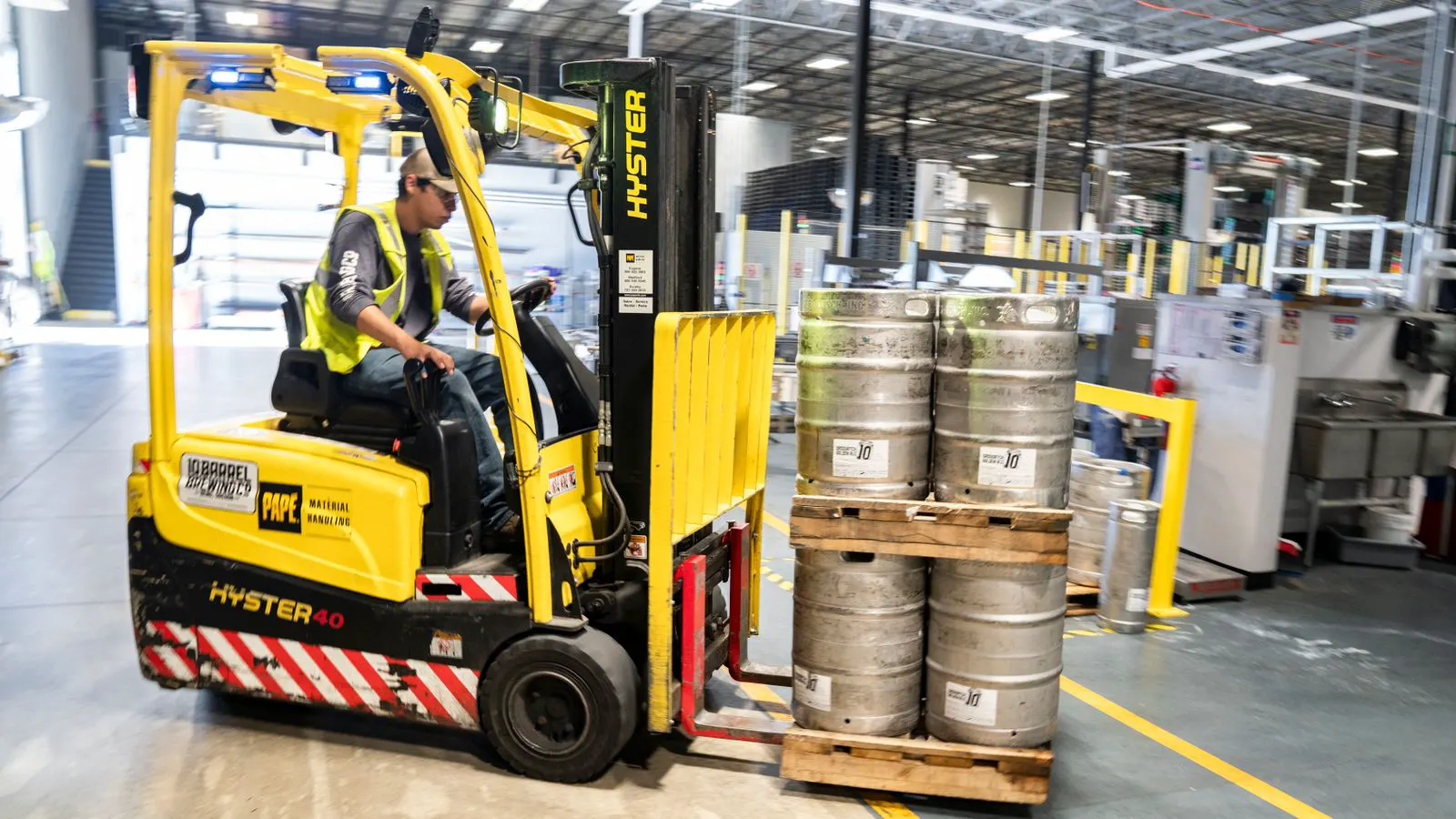
Indoor material handling is shifting toward zero emission forklifts. This guide outlines five practical changes buyers face, from battery management to space planning, and offers a clear path to prepare your fleet for improved air quality and operational efficiency.
- Indoor forklift fleets are moving toward zero emission forklifts to improve air quality and reduce maintenance.
- Battery selection and charging strategy now drive total cost of ownership more than initial purchase price.
- Operators need updated training for regenerative braking and battery handling.
- Warehouse layouts must account for charging zones and thermal management.
- Planning five shifts ahead helps avoid downtime and extends equipment life.
The Push for Cleaner Indoor Air
Indoor warehouses have long relied on forklifts to move heavy loads through narrow aisles and high bays. Diesel and propane units once filled the gap, but indoor air quality has become a primary constraint. Ventilation systems struggle to remove combustion byproducts, and many facilities now face stricter health and safety rules for enclosed spaces.
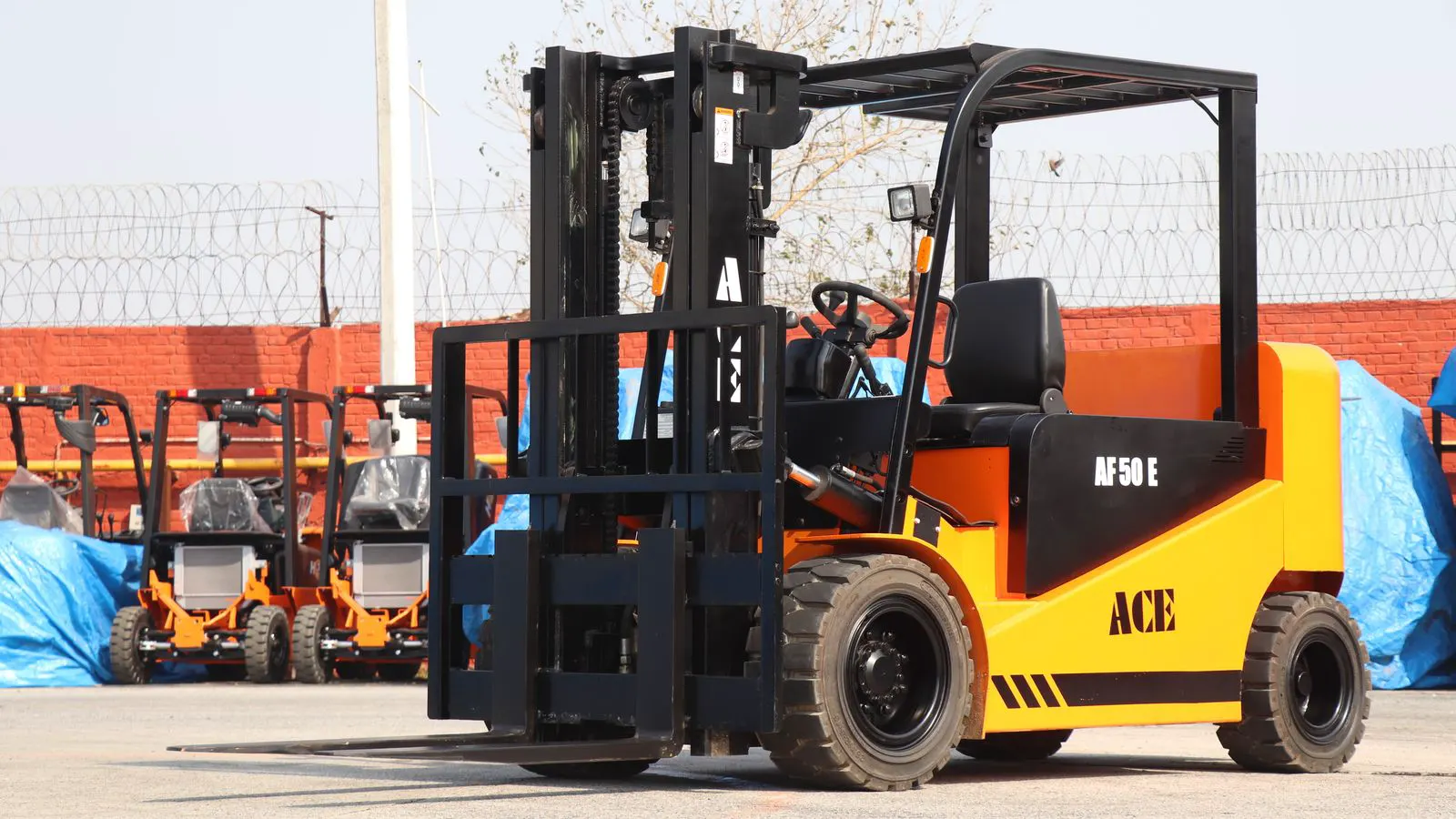
A zero emission forklift changes this equation. It produces no exhaust inside the building. The machine still burns energy, but it draws it from a battery rather than a fuel tank. This shift affects every part of the operation, from the forklift itself to the electrical infrastructure that powers it.
Buyers now compare zero emission forklifts against combustion units using a different set of metrics. Initial cost is still a factor, but so are charging time, battery degradation, indoor air compliance, and maintenance intervals. The decision is no longer just about horsepower. It is about how the machine fits into the daily rhythm of the warehouse.
Battery Technology and Energy Management
The heart of a zero emission forklift is the battery. Most indoor fleets use lead acid or lithium ion packs. Each has distinct trade-offs that affect shift planning, charging speed, and long-term cost.
Lead acid batteries are mature and widely available. They tolerate a full charge cycle well and are easier to replace when they reach end of life. The downside is weight. A lead acid pack adds significant mass to the chassis, which can reduce payload capacity or require a larger frame. They also need a dedicated charging period, often at night, to restore full capacity.
Lithium ion batteries are lighter and charge faster. Some models support opportunity charging, where the battery tops up during short breaks or while the operator is idle. This reduces downtime and can eliminate the need for a full overnight charge. However, lithium systems are more expensive upfront and require careful thermal management. Heat affects battery life, so indoor environments with poor airflow can degrade performance faster.
Battery health tracking is becoming standard. Modern zero emission forklifts report pack voltage, cell balance, and charge history to the operator and the fleet manager. This data helps schedule maintenance before a pack fails during a critical order cycle. Buyers should treat battery management as a software feature as much as a hardware one.
Indoor Use and Space Planning
Adding a zero emission forklift to a warehouse changes the layout. Combustion forklifts need fuel storage and ventilation for exhaust. Battery forklifts need charging space and electrical capacity.
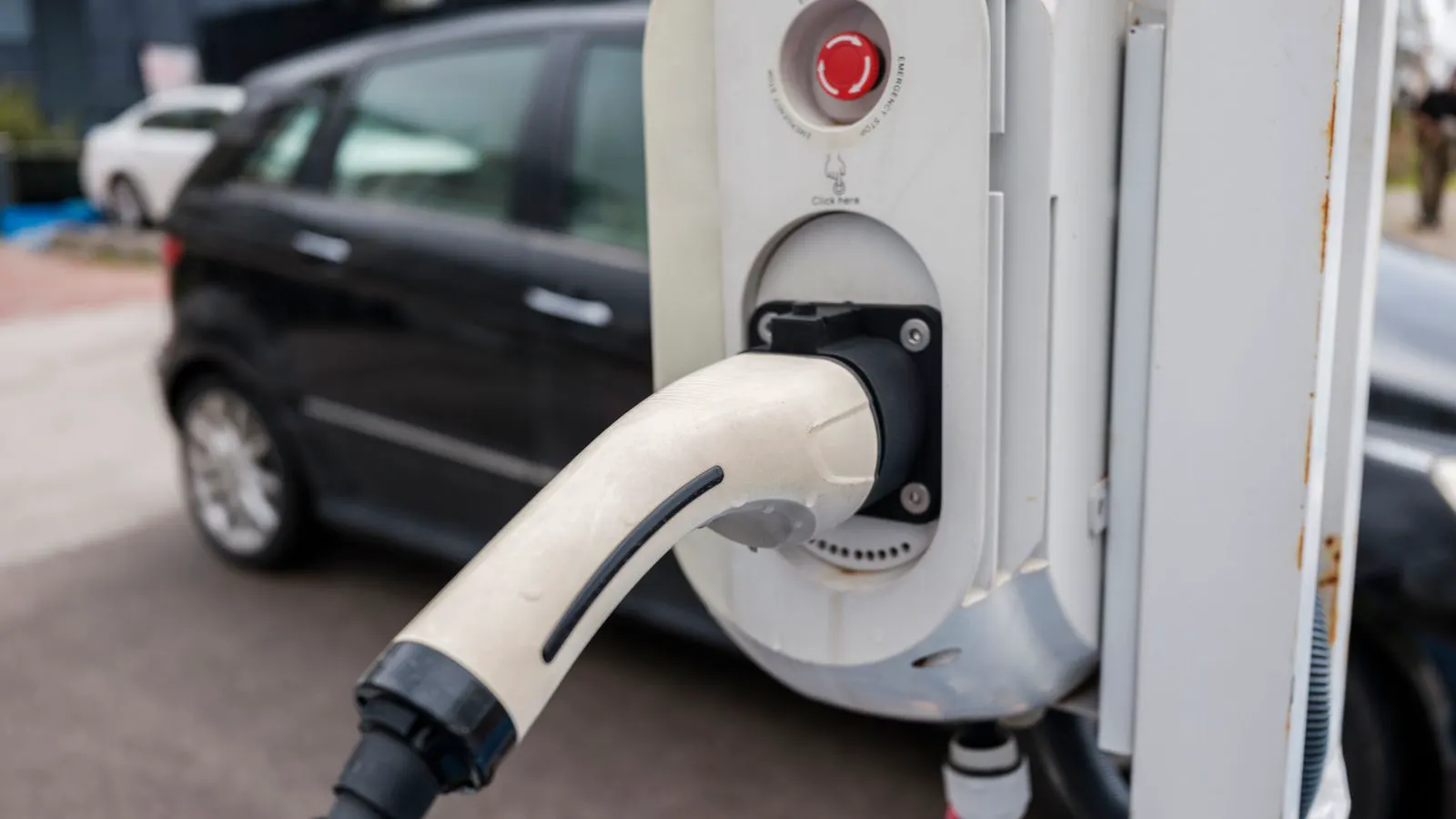
Charging zones must be clearly marked and separated from high traffic lanes. A charging dock for a reach truck or counterbalance forklift takes up more floor space than a fueling point. If the warehouse is tight, charging bays may need to be placed near the edge of the building or in a dedicated corner. Poor placement leads to congestion, especially during peak shifts.
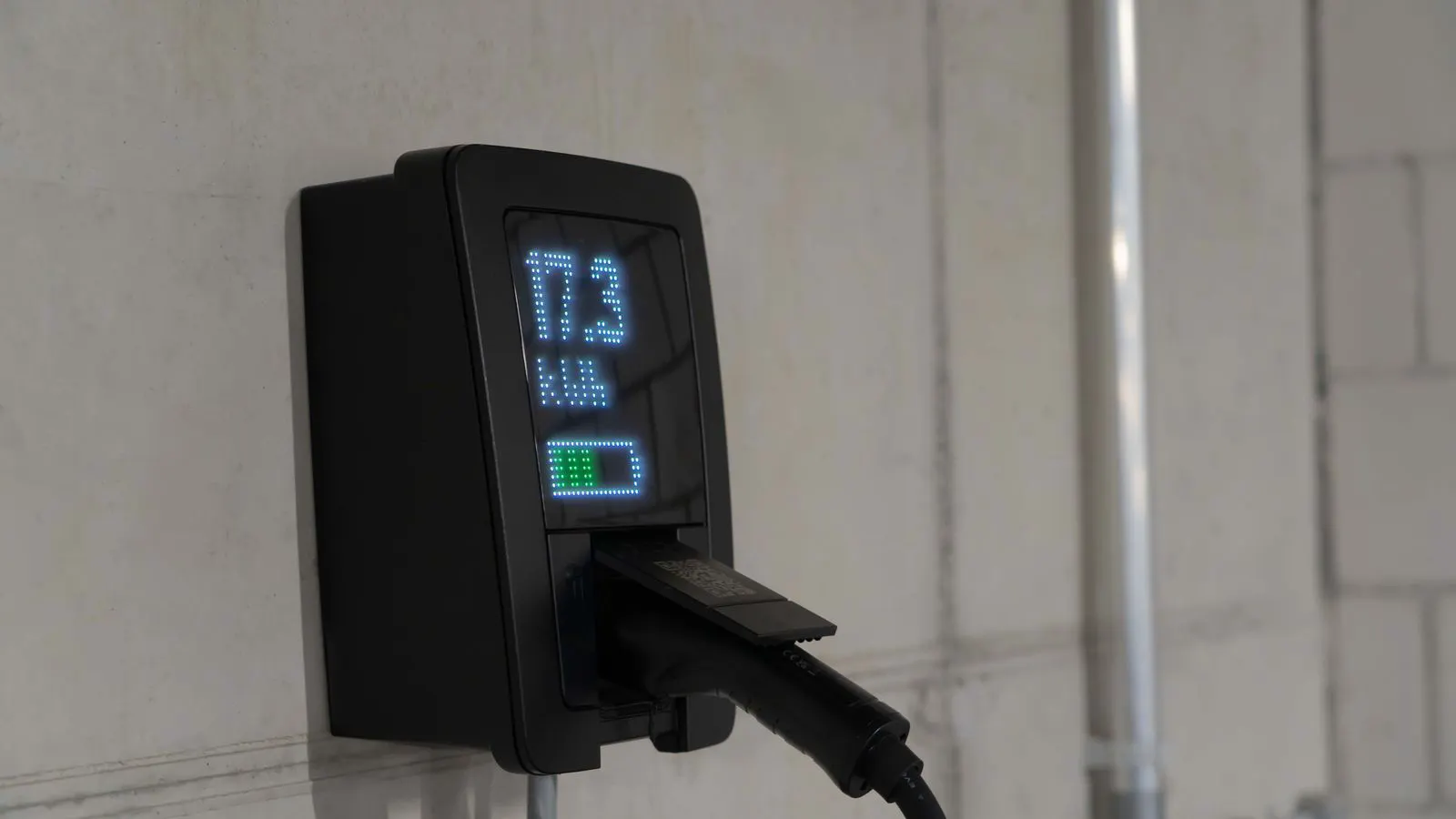
Electrical load is the other constraint. A single electric forklift charger draws a heavy current. Charging multiple units at once can overload a circuit if the panel was not sized for it. Facilities should review their electrical infrastructure before adding several zero emission forklifts. In some cases, a dedicated subpanel or a new service connection is required.
Flooring matters too. Electric forklifts are often heavier at the rear due to the battery. Concrete slabs in older warehouses may not handle the weight distribution over time. A structural check is wise before committing to a large fleet.
Air Quality and Operator Health
Indoor air quality is the most visible benefit of switching to a zero emission forklift. Combustion engines produce carbon monoxide, nitrogen oxides, and particulate matter. In a poorly ventilated warehouse, these pollutants accumulate near the floor, where operators breathe.
Electric forklifts eliminate these emissions. The only waste heat is from the battery and motor, which dissipates through the air. This makes the indoor environment safer for long shifts. It also reduces the need for aggressive ventilation, which can lower energy costs.
Operator comfort improves as well. Electric forklifts are quieter. The hum of the motor and the click of the controller are far less intrusive than the roar of an internal combustion engine. This reduces noise fatigue and makes it easier for operators to communicate with each other and with dock workers.
Health and safety teams now look at air quality data more closely. Some facilities install monitors to track particulate levels near the charging area and the main aisles. This data helps verify that the switch to zero emission forklifts is delivering the expected benefit. It also provides a record for audits and safety reviews.
Training and Operational Changes
Operators trained on combustion forklifts need to adjust to a zero emission forklift. The controls are similar, but the feedback is different. Electric forklifts use regenerative braking. When the operator releases the accelerator, the motor acts as a generator, feeding energy back into the battery. This changes the feel of the stop.
Training should cover battery handling and charging protocols. Operators need to know how to connect and disconnect the charger safely. They should also learn to recognize signs of a degraded pack, such as slower acceleration or shorter range. A simple routine check of battery terminals and charge level before each shift prevents most issues.
Fleet managers need a new skill set. Battery cycling is a management task. Overcharging or deep discharging shortens pack life. Many electric forklifts have a built-in state of charge indicator, but manual logging helps for larger fleets. A simple spreadsheet or a fleet software tool can track charge cycles and flag units that need service.
Five Shifts Buyers Should Plan For
Buyers preparing for a zero emission forklift fleet should think in shifts, not just purchases. Each shift introduces a new requirement that affects cost and operation.
-
Shift to Battery Infrastructure. The warehouse must support charging. This means electrical upgrades, charging docks, and possibly new cabling. The cost here is often hidden in initial estimates.
-
Shift to Maintenance Routines. Electric forklifts have fewer moving parts. There are no oil changes, no fuel filters, and no exhaust systems. Maintenance focuses on battery health, brush wear, and hydraulic fluid. The schedule changes, and the required parts list shrinks.
-
Shift to Operator Training. As noted, operators need new habits. Regenerative braking, battery connection, and quiet operation require practice. A short training module is cheaper than a retraining program after an incident.
-
Shift to Space Layout. Charging zones and battery storage take up floor space. A warehouse that was tight on diesel units may need to reorganize its aisles. This affects slotting and pick paths, which can change productivity for the first few months.
-
Shift to Total Cost of Ownership. The initial price of an electric forklift is higher than a diesel unit. But the operating cost is often lower. Fuel savings, maintenance savings, and reduced ventilation costs offset the premium over time. Buyers should model this across a five to seven year horizon.
How to Prepare Your Fleet
Preparation starts with a site audit. Measure the floor space, check the electrical capacity, and review the existing ventilation. Identify where charging will happen and whether the floor can support the weight. This audit reveals the real cost of the switch.
Next, define the shift pattern. If the warehouse runs one long shift, a standard lead acid battery may be sufficient. If it runs two or three shifts, lithium ion or opportunity charging becomes more attractive. The shift pattern drives the battery choice, and the battery choice drives the total cost.
Finally, pilot the technology before committing to a full fleet. Run one or two zero emission forklifts for a full quarter. Track battery life, operator feedback, and any layout changes. Use this data to refine the plan. A pilot reduces risk and gives the team a concrete example of how the new machines fit into daily work.
The move to zero emission forklifts is not just an environmental choice. It is an operational upgrade. It improves air quality, reduces maintenance, and aligns the fleet with modern warehouse standards. The path requires planning, but the result is a smoother, safer, and more efficient indoor operation.
Frequently asked questions
What is the biggest advantage of a zero emission forklift for indoor use?
A zero emission forklift eliminates combustion byproducts, which improves indoor air quality and reduces the strain on ventilation systems. It also lowers noise levels, making the environment more comfortable for operators.
How long does it take to charge an electric forklift battery?
Charging time depends on the battery type and the charger size. Lead acid packs often take several hours for a full charge, while lithium ion packs can top up in a shorter window. Many systems support opportunity charging during short breaks.
Can a zero emission forklift handle the same loads as a diesel forklift?
Yes, electric forklifts are available in many capacities. The payload is determined by the model and the battery placement, not by the power source. Buyers should match the capacity to the heaviest loads they expect to move.
Is a zero emission forklift more expensive to buy?
The initial purchase price for an electric forklift is usually higher than for a comparable diesel unit. However, the total cost of ownership over several years is often lower due to reduced fuel, maintenance, and ventilation costs.
What should I check before adding more electric forklifts?
Check your electrical capacity and floor space. Adding multiple chargers at once can overload a circuit. You also need to ensure there is enough room for charging zones without blocking traffic lanes or high bays.