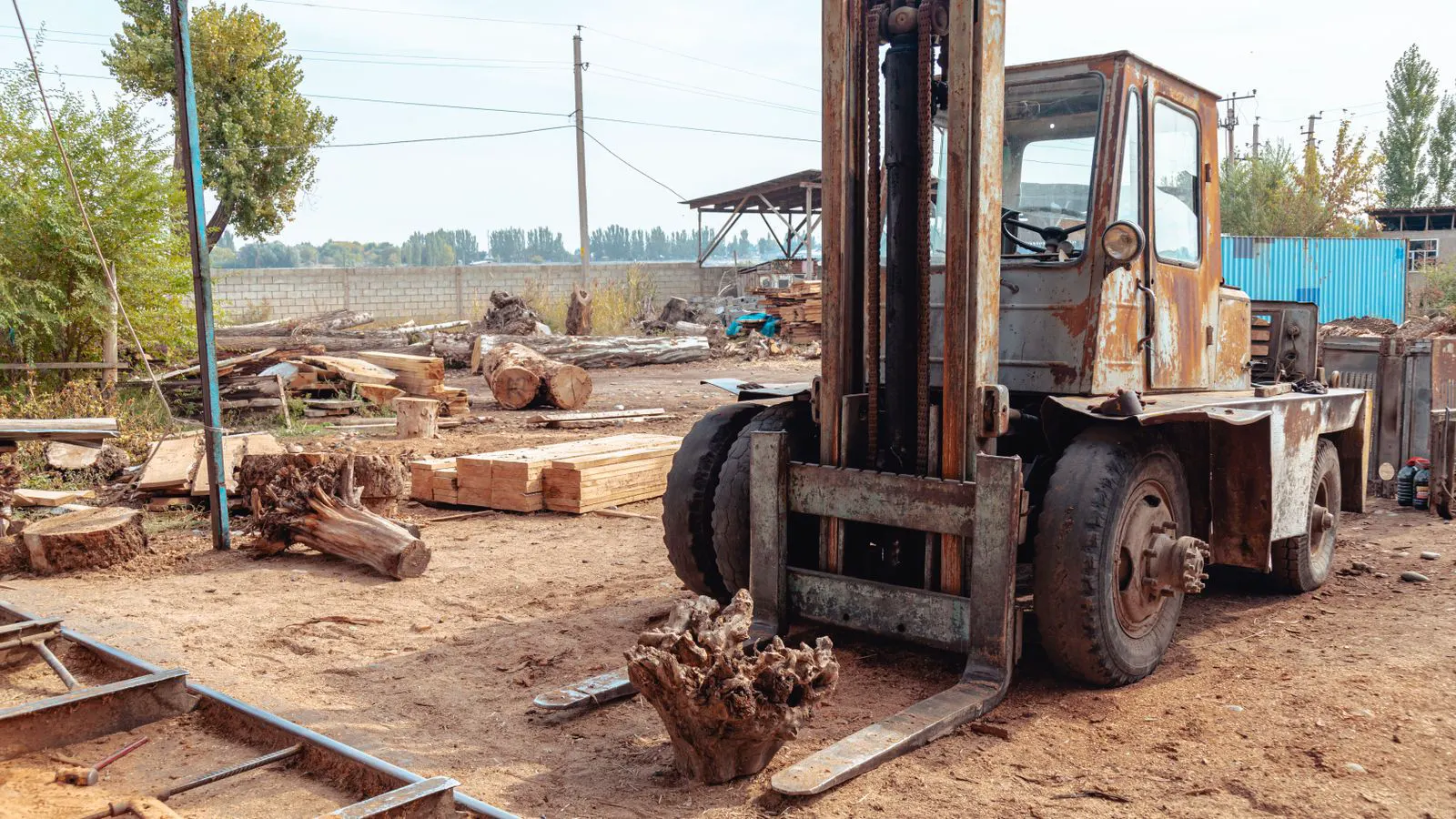
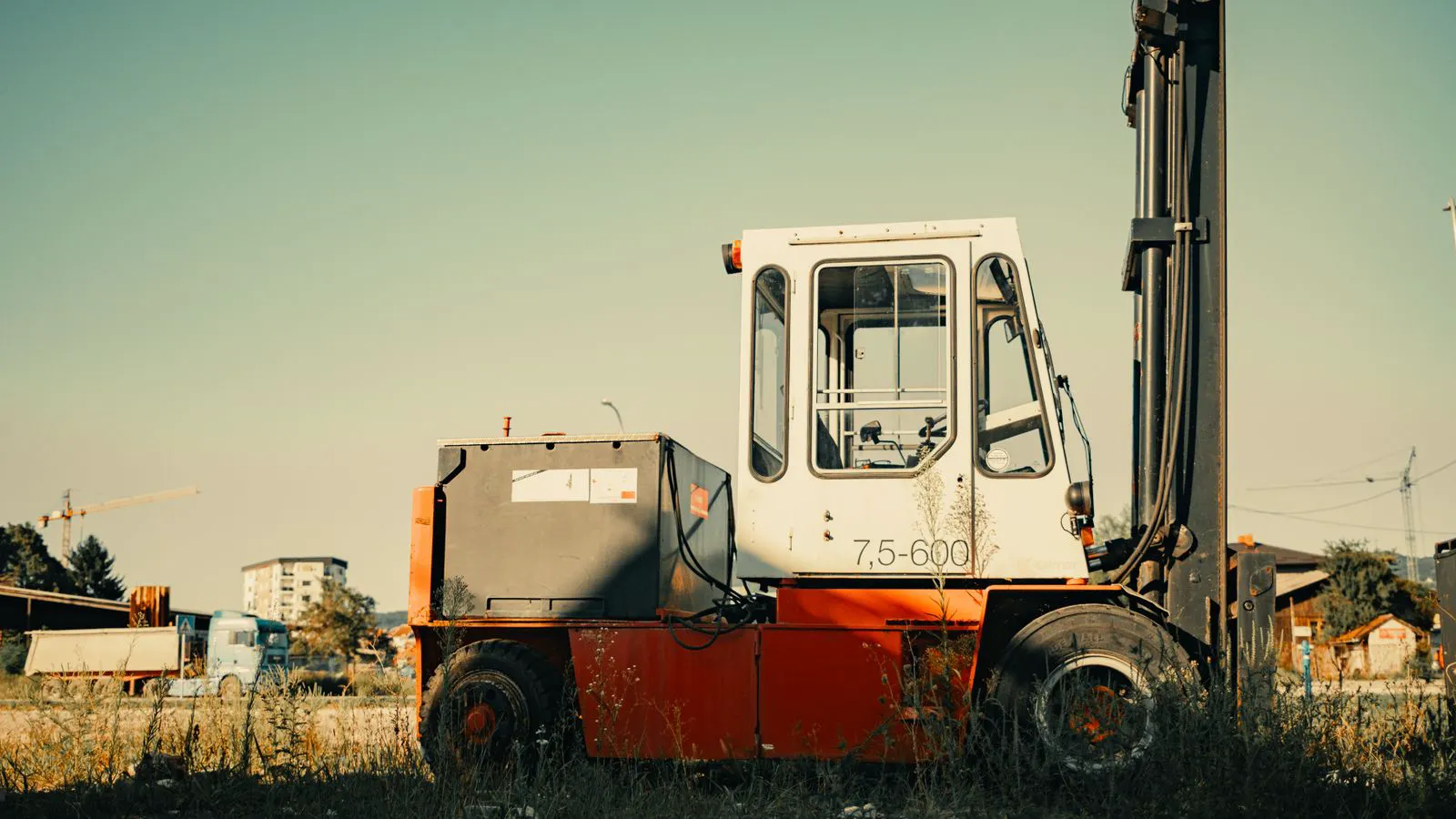
Buyer's Guide to Selecting the Right IC Engine forklift
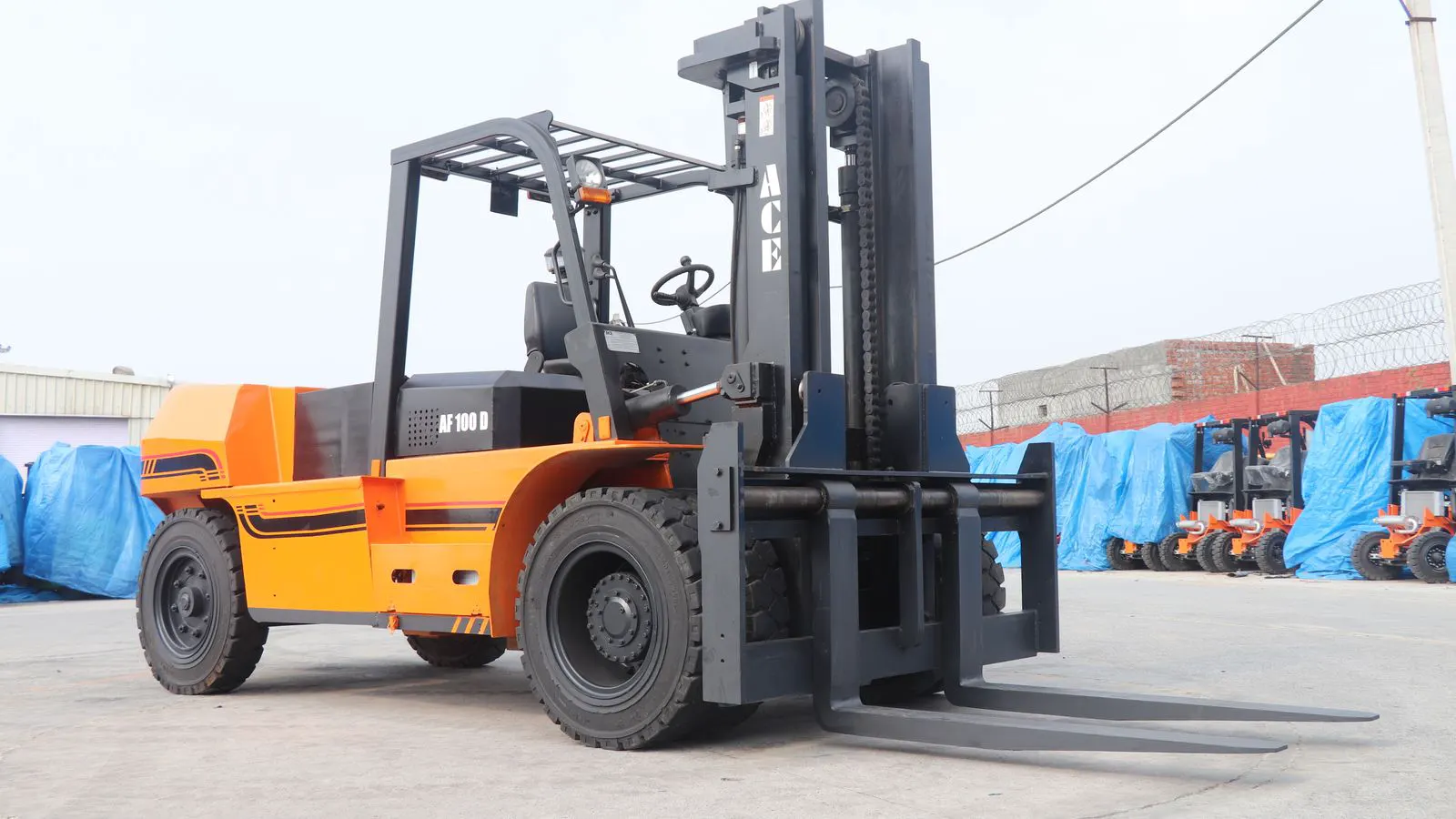
Selecting the right IC forklift requires matching engine type and payload capacity to your specific site conditions. This guide outlines a step-by-step process to evaluate diesel versus gas options, assess load requirements, and verify fuel storage needs.
- Match the engine type to your site's outdoor conditions and fuel infrastructure.
- Verify the rated payload and center of gravity against your heaviest typical loads.
- Check the service interval and fuel consumption against your expected operating hours.
- Confirm that your site can safely store and dispense the selected fuel.
Step 1: Define Your Site Conditions and Operating Environment
The first decision is not about the machine. It is about the location. Internal combustion forklifts run on fuel that generates heat, exhaust, and noise. Your site must be able to accommodate these outputs.
If your operation runs primarily in an open yard, on a loading dock, or in an unventilated warehouse with high ceilings, an IC engine is a standard choice. If your forklift will spend a significant portion of its shift inside a sealed indoor space, the exhaust fumes and fuel vapors present a health and safety risk. Indoor use requires strict ventilation or a switch to electric power.
For outdoor sites, evaluate the ground surface. Soft soil, gravel, or uneven terrain affects traction and tire choice. A standard pneumatic tire handles rough ground well. A solid tire offers less maintenance but transmits more vibration to the operator. The engine type influences tire selection. Higher-powered diesel engines often pair with larger pneumatic tires to handle heavy loads on loose surfaces.
Check the temperature range. Cold weather thickens engine oil and slows cold starts. Hot weather increases coolant stress. Both extremes affect fuel consumption and service life. If your site operates in a climate with seasonal temperature swings, note the impact on daily start-up procedures and maintenance.
Step 2: Select the Correct Fuel Type
The two primary fuel options for IC forklifts are diesel and gas. Both have distinct advantages depending on your workflow and infrastructure.
Diesel engines produce more torque at lower RPMs. This makes them well suited for heavy lifting, long-distance outdoor travel, and sustained work. Diesel fuel has a higher energy density than gas. A diesel forklift typically travels further on a full tank than a gas model of similar size.
Gas engines are more common in North American operations. They are generally quieter and cleaner burning than diesel. Gas fuel is often cheaper per gallon than diesel. However, gas engines produce less torque. They may struggle with very heavy loads or long outdoor routes. Gas fumes are also more toxic than diesel exhaust in many formulations.
Consider your fuel storage. Gas requires a dedicated storage tank. These tanks must be positioned away from ignition sources. Diesel storage is simpler in many cases. You can use a standard above-ground tank.
Check your refueling method. Most sites use an overhead fueling arm. This requires a fixed location. If your forklift moves across a large yard, you may need a mobile fuel cart. This increases handling time and creates a safety risk.
Step 3: Determine the Required Payload Capacity
Payload capacity is the maximum weight a forklift can lift at a specific height. It is not a single number. It changes as the load moves up the mast.
Start with your heaviest item. Weigh it. Do not estimate. Add the weight of the container, pallet, or tray. If you are lifting a 500kg pallet of goods, the total load is the goods plus the pallet.
Next, look at the center of gravity. A heavy load placed far from the mast reduces the effective payload. A light load close to the mast allows for a higher lift. The data plate on the forklift shows the rated capacity. Check the load chart. It shows the maximum load at each lift height.
If your typical load is 2000kg, do not buy a 2000kg forklift. Buy a 2500kg model. The extra 500kg margin covers pallet variations, minor overloads, and future product changes. Running a forklift at its absolute limit shortens the life of the transmission, mast, and tires.
Step 4: Evaluate Travel Speed and Mast Travel
Not all forklifts are built for the same job. A forklift that travels 50 meters between a warehouse and a truck is different from one that moves 500 meters across a yard.
Check the maximum travel speed. It is usually listed in the spec sheet. A higher speed reduces cycle time. It also increases the risk of tip-over. A forklift traveling at 10 km/h has a longer braking distance than one at 5 km/h.
Mast travel speed matters too. If you are stacking pallets in a high bay, a slow mast will slow your entire operation. Look for a mast that can raise and lower a full load in a reasonable time.
Consider the lifting height. The overhead guard height, mast length, and lift range must clear your highest rack. Add the pallet height and the load height. Do not forget the safety margin.
Step 5: Assess Serviceability and Maintenance Costs
An IC forklift is a mechanical system. It will need oil changes, filter replacements, coolant flushes, and engine tune-ups. The service interval depends on the engine and the operating hours.
Check the service interval. A diesel engine may require an oil change every 250 hours. A gas engine may require it every 150 hours. Shorter intervals mean more downtime and higher labor costs.
Look at the parts availability. If you are in a remote area, finding a certified technician can take days. If you are near a major city, you may have several dealers. Ask about the estimated time to replace a common part like a fuel filter or a hydraulic hose.
Fuel consumption is a major operating cost. Check the fuel burn rate. It is usually listed in liters per hour or gallons per hour. Multiply the burn rate by your operating hours. Multiply that by the fuel price. This gives you an annual fuel cost estimate.
Step 6: Verify Safety and Compliance
An IC forklift emits exhaust. This exhaust contains carbon monoxide, nitrogen oxides, and particulate matter. The site must ensure that these fumes do not accumulate.
Check the ventilation. If the forklift operates in a partially enclosed area, the air exchange rate must be sufficient. If it operates outdoors, the wind direction and building placement matter. Exhaust should not blow toward a loading dock where workers are waiting.
The forklift must have a working exhaust system. A blocked or damaged muffler increases noise and can allow fumes to escape near the operator. Check the exhaust pipe for cracks, rust, or loose clamps.
The operator must be trained. IC forklifts have different controls than electric models. The operator needs to understand the throttle, the gear selector, and the exhaust warning lights.
Frequently asked questions
Which engine type is more fuel efficient, diesel or gas?
Diesel is generally more fuel efficient because it has a higher energy density. A diesel forklift will usually travel further on a full tank than a gas model of similar size.
Can an IC forklift be used indoors?
Only in areas with high ceilings and strong ventilation. The exhaust fumes and fuel vapors are a health risk in sealed spaces. Most indoor operations use electric forklifts.
How do I know if my site has enough fuel storage?
Check the distance from the refueling point to the farthest operating area. If the forklift travels more than 50 meters on a full tank, you may need a mobile fuel cart.
What is the recommended payload margin?
Buy a forklift with a 20 to 25 percent capacity margin over your heaviest typical load. This provides room for pallet variations and future product changes.
How often should I change the engine oil?
Check the service manual for the specific model. Most IC engines require an oil change every 150 to 250 operating hours, depending on the fuel type and duty cycle.