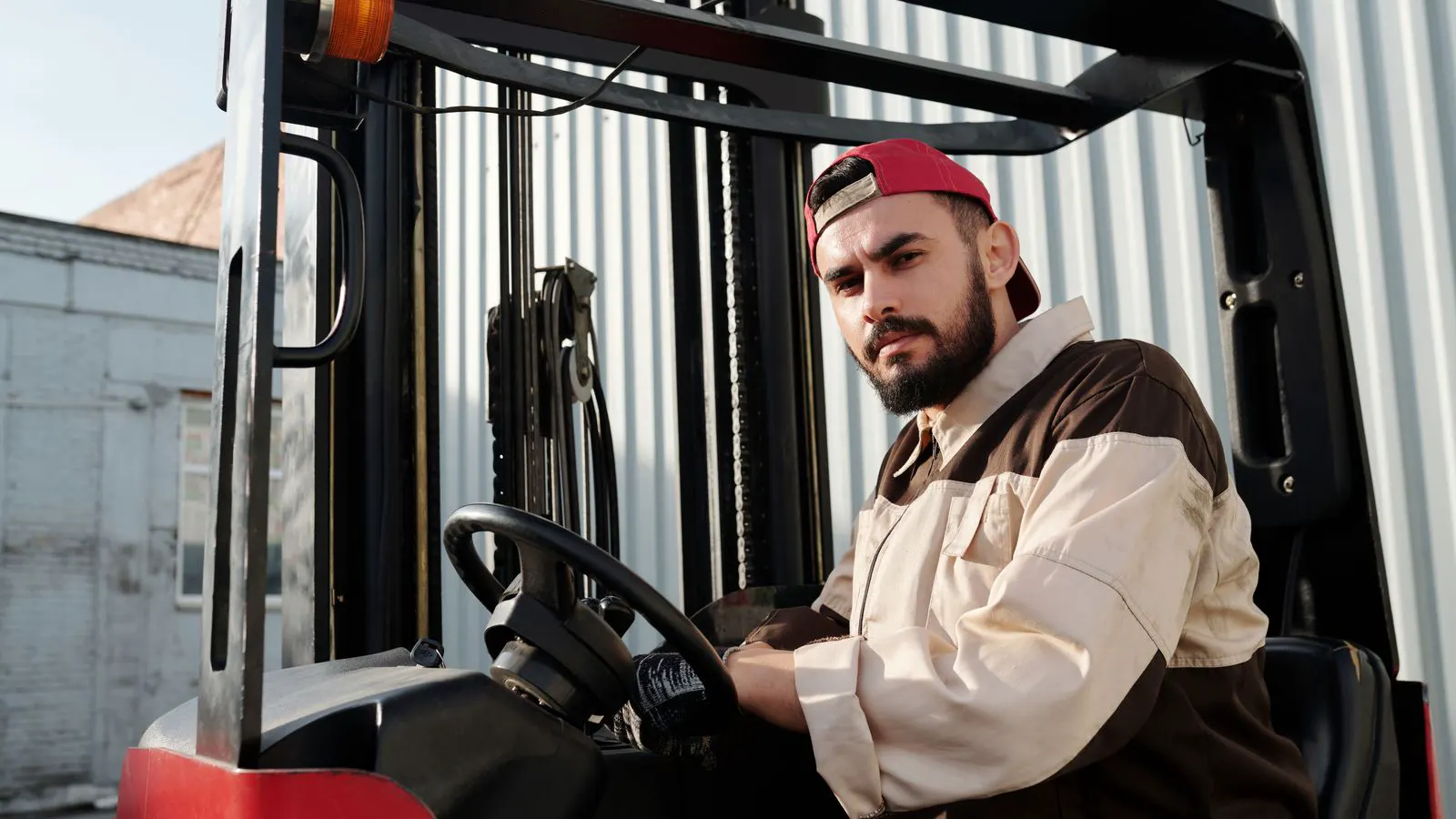
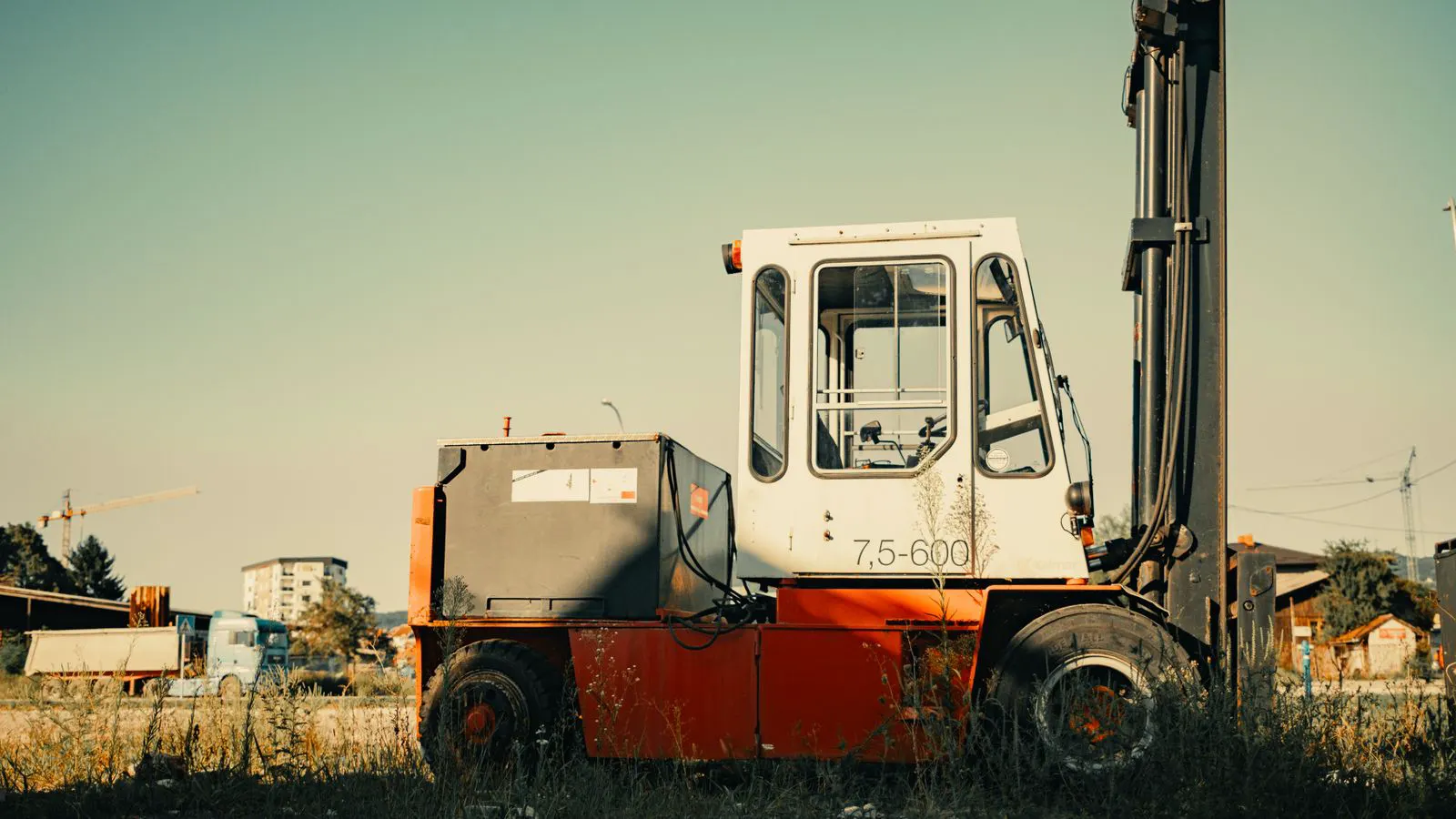
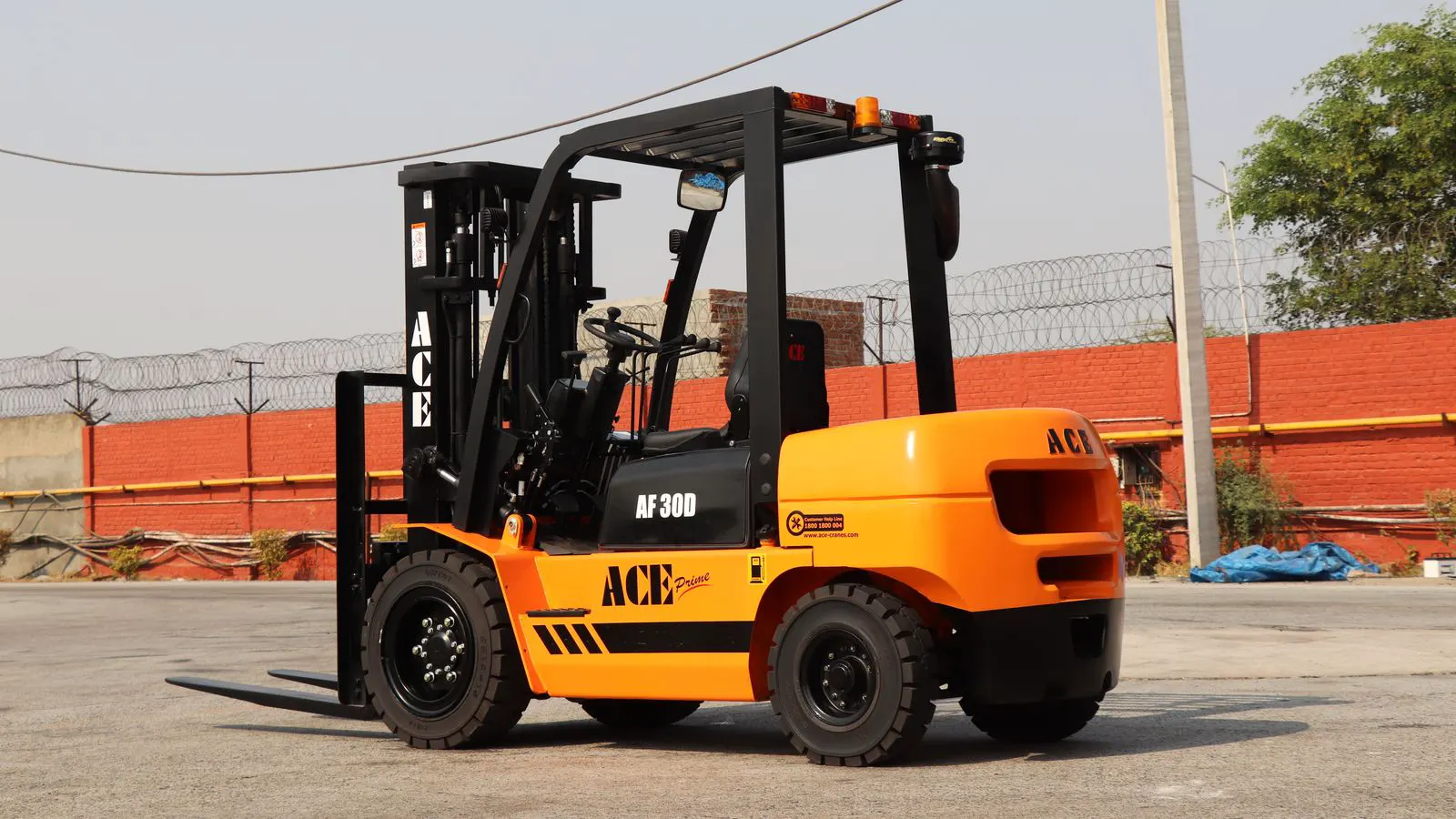
Explainer: How Internal Combustion Forklifts Handle Heavy Loads
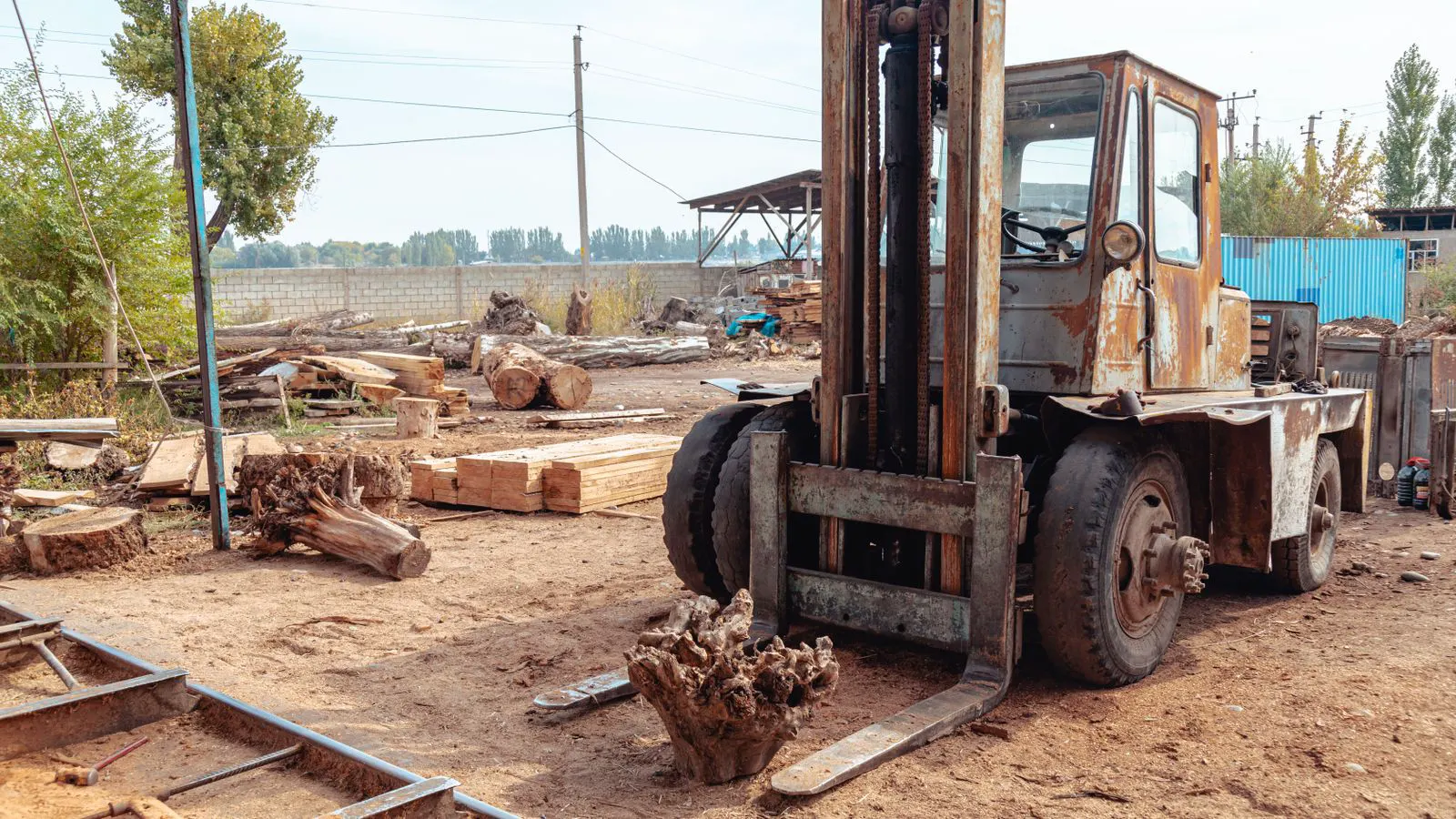
An IC forklift uses a combustion engine to convert fuel into high torque for lifting heavy loads. The engine choice affects payload capacity, fuel consumption, maintenance, and total cost. This explainer covers the mechanical advantages and sourcing trade-offs.
- IC forklifts use torque to lift heavy loads, which is why they dominate outdoor and high-payload applications.
- Engine power dictates payload capacity, lifting speed, and the size of the counterweight required.
- Sourcing decisions must account for fuel type, maintenance intervals, service network, and operator comfort.
- Diesel and gas engines have different trade-offs in cost, emissions, and operating environment.
- A worked example shows how engine power, payload, and fuel type influence total cost of ownership.
Why torque matters more than horsepower
An internal combustion engine does not lift a load through horsepower alone. It lifts through torque. Torque is the rotational force that turns the drive wheels. When a forklift lifts a heavy pallet, the engine must maintain enough torque to hold the load steady while the hydraulics raise the mast. If torque drops, the truck slows, the hydraulics strain, and the operator experiences a lag.
This is why heavy duty forklifts are often specified by engine torque rather than peak horsepower. A truck that can produce high torque at low engine speed can carry a heavier load up a ramp without stalling. The same truck can back up a loaded pallet into a tight bay without stalling.
When sourcing an IC forklift, check the torque curve, not just the peak output. The manufacturer’s data sheet should show torque at low, mid, and high engine speeds. If the torque is strong at low RPM, the machine will handle heavy loads with less operator input.
How the engine converts fuel into lifting force
A diesel engine burns compressed air and fuel to create pressure. That pressure pushes a piston. The piston turns the crankshaft. The crankshaft turns the transmission. The transmission turns the wheels. The wheels push the truck forward. The engine also drives a hydraulic pump. The pump pushes oil. The oil pushes the mast cylinders. The cylinders lift the forks.
A gas engine follows a similar path, but it uses a spark plug instead of compression ignition. Both engines produce torque. Both engines need fuel, oil, and coolant. Both engines need filters and belts. The difference is in the fuel type, the maintenance interval, and the operating environment.
Diesel engines use a higher energy density fuel. They produce more torque per gallon. They also have a longer service interval for the fuel system. Gas engines start in cold weather more easily. They run quieter. They often cost less upfront.
When comparing two IC forklifts with the same payload, the engine type changes the operating cost. A diesel engine may cost more per gallon, but it may run more hours between service. A gas engine may cost less per gallon, but it may need more frequent filter changes.
The role of the transmission in heavy lifting
The engine produces torque, but the transmission shapes that torque. A heavy duty forklift usually has a hydrostatic or torque converter transmission. The hydrostatic system uses pumps and motors to control speed. It allows the operator to move slowly and precisely. The torque converter system uses fluid coupling to transfer power. It is simpler and cheaper to maintain, but it is less precise at very low speeds.
For heavy lifting, the transmission must handle the load without slipping. If the transmission slips, the engine revs but the wheels do not move. The operator loses control. The hydraulics may overheat. The forks may shake.
When sourcing, check the transmission type. If the site has steep ramps or heavy loads, a hydrostatic system is often the better match. If the site has flat floors and moderate loads, a torque converter system may be sufficient.
Counterweight and payload balance
The counterweight is the mass behind the mast. It balances the load on the forks. If the load is too heavy, the truck tips backward. If the counterweight is too light, the load tips forward. The engine must be strong enough to hold the counterweight and the load in balance.
A heavy duty forklift may use a steel counterweight or a cast concrete block. Steel is heavier and takes less space. Concrete is lighter and cheaper to replace. The choice affects the truck’s footprint. A smaller footprint allows the truck to enter narrow aisles. A larger footprint allows the truck to carry a heavier load.
When sourcing, match the counterweight size to the load. If the load is a pallet of steel, the counterweight must be larger. If the load is a pallet of lumber, the counterweight can be smaller. The engine power must match the counterweight mass. A larger counterweight requires more torque to move.
Fuel system and operating costs
The fuel system is where the operating cost lives. A diesel engine uses a common rail injector. The injector sprays fuel into the cylinder at high pressure. The fuel is filtered and cooled. The exhaust is cleaned with a particulate filter and a diesel oxidation catalyst. The system is complex. It costs more to build. It costs more to repair.
A gas engine uses a carburetor or a fuel injection system. The fuel is sprayed into the intake manifold. The exhaust is cleaned with a catalytic converter. The system is simpler. It costs less to build. It costs less to repair.
When sourcing, ask for the fuel system service interval. A diesel engine may need a fuel filter change every 250 hours. A gas engine may need a fuel filter change every 150 hours. The service interval changes the maintenance schedule. The maintenance schedule changes the downtime. The downtime changes the productivity.
A worked example helps. Suppose a warehouse uses a diesel IC forklift to move pallets of steel. The truck runs 1,000 hours per year. The diesel fuel costs more per gallon than gas. The fuel filter is changed every 250 hours. The engine is serviced every 500 hours. The total fuel and service cost is higher than a gas engine. But the diesel engine produces more torque. It handles the steel pallets with less operator input. It lasts longer. It resells for a higher price.
Service network and spare parts
An IC forklift is only as good as its service network. If the engine fails, the truck is down. The downtime is expensive. The service network determines how fast the truck returns to work.
A diesel engine has a larger service network than a gas engine. Most heavy duty forklifts are diesel. The parts are common. The technicians are trained. The repair times are shorter. A gas engine has a smaller service network. The parts are less common. The technicians may need to order parts. The repair times are longer.
When sourcing, check the service network in your region. If the nearest service center is far, the downtime is longer. If the nearest service center is close, the downtime is shorter. If the service center has a stock of common parts, the repair is faster. If the service center does not have stock, the repair is slower.
Emissions and indoor use
Diesel engines produce particulate matter and nitrogen oxides. These are harmful to indoor air quality. Many warehouses have ventilation systems that remove the exhaust. But the ventilation system costs money to install and run. It also adds to the operating cost.
Gas engines produce fewer particulates. They still produce carbon monoxide and nitrogen oxides. They are less harmful to indoor air quality than diesel engines. They are still not safe for unventilated indoor use.
When sourcing, check the emission rating. If the site has strict emission limits, a gas engine may be the better match. If the site has outdoor or well-ventilated indoor use, a diesel engine may be the better match. The emission rating changes the total cost of ownership.
Sourcing checklist
Use this checklist when sourcing an IC forklift for heavy loads.
- Check the payload. The engine must handle the maximum load.
- Check the torque. The engine must hold the load at low speed.
- Check the transmission. The transmission must control the load without slipping.
- Check the counterweight. The counterweight must balance the load.
- Check the fuel type. The fuel type changes the operating cost.
- Check the service network. The service network changes the downtime.
- Check the emission rating. The emission rating changes the indoor use.
| Factor | Diesel Engine | Gas Engine |
|---|---|---|
| Torque | High | Moderate |
| Fuel Cost | Higher per gallon | Lower per gallon |
| Service Interval | Longer | Shorter |
| Indoor Use | Requires ventilation | Better for indoor use |
| Upfront Cost | Higher | Lower |
| Resale Value | Higher | Lower |
Final note
An IC forklift is a machine that converts fuel into lifting force. The engine, transmission, and counterweight work together to handle heavy loads. The diesel engine produces more torque. The gas engine costs less to run. The service network determines the downtime. The emission rating determines the indoor use. When sourcing, match the machine to the load, the site, and the operating cost. The best IC forklift is not the most powerful. It is the one that fits the job.
Frequently asked questions
What is the main mechanical advantage of an IC forklift?
The main mechanical advantage is torque. The engine produces rotational force that turns the wheels and drives the hydraulics. This allows the truck to lift heavy loads with control.
How does engine power affect payload capacity?
Engine power determines how much torque the truck can produce. More torque allows the truck to carry a heavier load. The torque must be strong at low engine speed to handle heavy loads.
What is the difference between diesel and gas engines in an IC forklift?
Diesel engines use compression ignition and produce more torque per gallon. Gas engines use spark ignition and cost less to run. The choice depends on the load, the site, and the operating cost.
How does the transmission affect heavy lifting?
The transmission shapes the engine torque. A hydrostatic transmission allows slow, precise movement. A torque converter transmission is simpler and cheaper to maintain. The transmission must handle the load without slipping.
What should I check before buying a heavy duty IC forklift?
Check the payload, torque, transmission, counterweight, fuel type, service network, and emission rating. Match the machine to the load, the site, and the operating cost.