Cost and Lead Time for New Diesel vs Gas Powered Forklifts
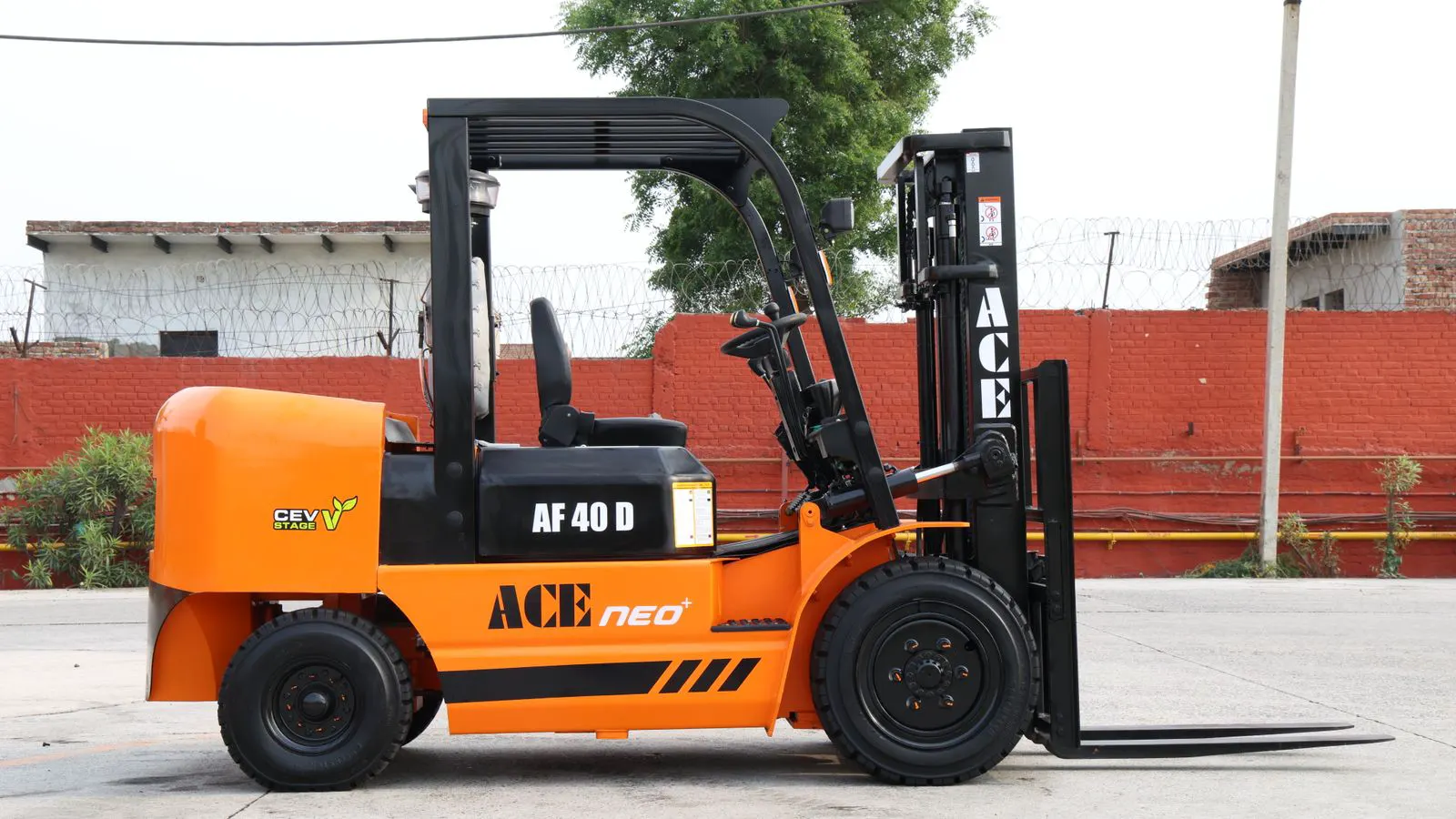
Diesel and gas forklifts differ in upfront cost and delivery schedules. Diesel units typically cost more but offer durability. Gas units are cheaper but require more maintenance. Compare quotes based on total cost of ownership, engine specs, and supplier reliability.
- Diesel forklifts generally command a higher upfront price than gas powered alternatives due to engine complexity and durability.
- Lead times vary significantly based on engine type, capacity, and supplier production schedules.
- A clear RFQ with specific load, duty, and site requirements yields more comparable quotes from manufacturers.
- Total cost of ownership, not just sticker price, determines the true financial impact of your forklift purchase.
Why Upfront Costs Differ Between Diesel and Gas Engines
The sticker price of a new forklift is rarely the only number that matters to a buyer. Diesel forklifts and gas powered forklifts occupy different segments of the internal combustion market, and their initial costs reflect distinct engineering choices. Diesel engines use compression ignition and produce higher torque at lower RPMs. Gas engines use spark ignition and require higher RPMs to generate the same power. This difference drives variations in engine block design, fuel injection systems, and emission controls.
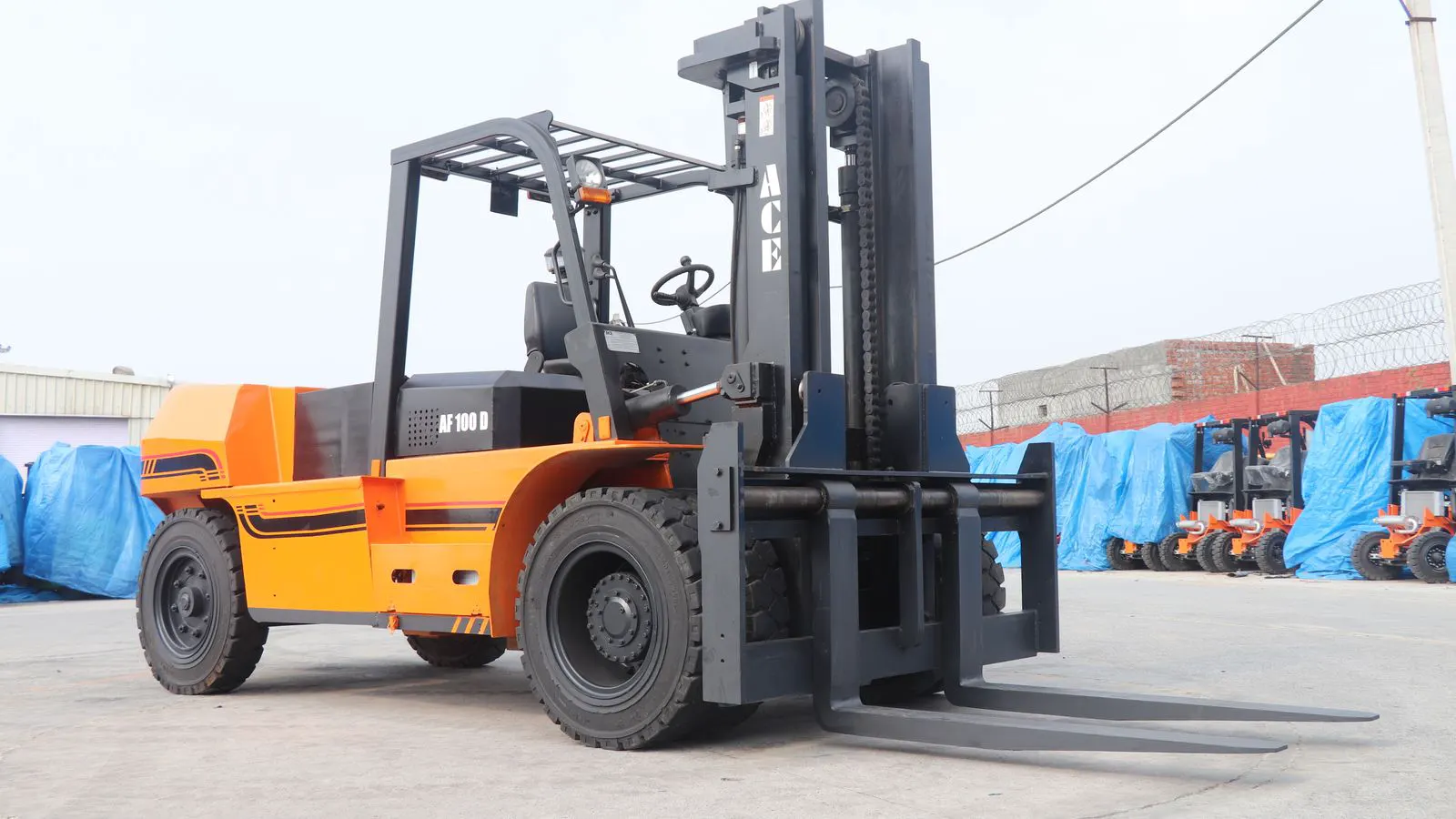
A mid-size diesel forklift, typically in the 10 to 15 ton class, will usually cost more than a comparable gas powered unit. The diesel engine contains more complex fuel delivery hardware, a heavier block, and often a larger radiator and cooling system. These components increase the base machine price. Conversely, a gas powered forklift uses a simpler engine architecture. The fuel system is less complex, and the cooling requirements are lower. This simplicity reduces the manufacturing cost and the initial price tag.
Capacity is the primary driver of cost, regardless of fuel type. A 2-ton gas forklift is a different product than a 10-ton diesel forklift. When comparing apples to apples, you must match the lift capacity, lift height, and chassis configuration. A low-lift gas unit for a warehouse aisle will cost far less than a high-lift diesel unit for outdoor material handling. Always normalize your comparison by specifying the exact tonnage and duty cycle before you review the quote.
What Drives Lead Time for New Machines
Lead time is the period between your purchase order and the delivery of the forklift to your site. Several factors influence this timeline. The first is the engine type. Diesel engines, especially those with advanced emissions controls or high torque output, may have longer production cycles. The supply chain for diesel fuel injection components can be tighter than for gas carbureted or port-fueled systems.
Capacity matters as well. Standard 2-ton and 3-ton gas forklifts are often built to order or held in stock by major distributors. A 10-ton diesel forklift, particularly one with a specific counterbalance configuration or a specialized mast, may require custom fabrication. This moves the machine into a longer production slot.
Your geographic location also plays a role. If you are near a major manufacturing plant or a regional distribution hub, your lead time will be shorter. If you are in a remote area or in a different hemisphere, the timeline extends to include ocean freight, customs clearance, and local dealer inventory positioning.
Supplier production schedules are the final variable. Manufacturers run production lines based on quarterly demand. If a factory is at full capacity, your order may be placed in the next available slot. This is why it is common to see lead times ranging from a few weeks for in-stock gas units to several months for custom diesel configurations.
How to Write a Clear RFQ That Gets Accurate Quotes
A vague request for a forklift quote leads to vague and often uncomparable pricing. To get accurate numbers, you need to provide the manufacturer with a precise specification sheet. Your Request for Quote should include the following details:
- Lift Capacity: State the maximum load in pounds or kilograms. Include a safety margin if your loads are variable.
- Duty Cycle: Describe the working pattern. Is the machine running one shift or two? How many hours per day? What is the average cycle time?
- Lift Height: Specify the required lift height to the forks. This determines the mast height and affects the machine’s overall height.
- Site Conditions: Describe the floor type (concrete, asphalt, uneven ground) and the environment (outdoor, semi-enclosed, indoor). This dictates the tire type and chassis robustness.
- Fuel Preference: Explicitly state diesel or gas. If you have a preference, explain why. If you are open to both, ask the supplier to quote both options for the same application.
- Required Accessories: List any attachments, such as a reach mast, side shift, or rotator. These add cost and can affect lead time.
- Delivery Location: Provide the site address. This allows the supplier to calculate freight and local delivery fees.
By providing this level of detail, you eliminate guesswork. The supplier can match your application to their standard configurations or flag where a custom build is needed. A custom build will have a higher price and a longer lead time than a standard configuration.
How to Compare Quotes Fairly
Receiving quotes from multiple suppliers is a standard part of forklift purchasing. However, comparing them requires discipline. Do not just look at the total price. Break the quote down into its components.
| Cost Driver | Diesel Forklift | Gas Powered Forklift |
|---|---|---|
| Engine Cost | Higher due to complex fuel injection | Lower due to simpler engine design |
| Chassis Cost | Often heavier for durability | Lighter for standard applications |
| Cooling System | Larger radiator and fan assembly | Smaller cooling package |
| Emissions Hardware | May include particulate filters or DPF | Typically simpler exhaust system |
| Tire Cost | Heavy-duty solid or low-pressure pneumatic | Pneumatic or solid depending on floor |
| Maintenance Parts | Fuel injectors and high-pressure lines | Spark plugs and carburetors |
The table above highlights the structural differences. A diesel quote will often include a more expensive engine and a larger cooling system. A gas quote will be cheaper on these items but may require more frequent maintenance over the machine’s life.
When comparing quotes, ask for the following details:
- Base Machine Price: The cost of the forklift without accessories.
- Freight and Delivery: The cost to get the machine to your site.
- Installation and Training: Whether the supplier includes on-site setup and operator training.
- Warranty Terms: The length and coverage of the manufacturer’s warranty.
- Service Agreement: The cost of an optional service contract for the first few years.
A quote that includes training and installation is more valuable than a quote that is just a lower sticker price. A lower price that excludes essential services can lead to higher costs later. Always ask the supplier to itemize every line on the quote. This makes it easy to see where the differences lie.
The Total Cost of Ownership Perspective
The upfront cost is only a fraction of the total expense of operating a forklift. The Total Cost of Ownership, or TCO, includes fuel, maintenance, labor, and downtime. Diesel forklifts are generally more fuel efficient than gas powered forklifts. They produce more work per gallon of fuel. This efficiency can offset the higher upfront cost over a long operating period.
Gas powered forklifts are cheaper to buy but may cost more to run. They have a shorter service interval for oil changes and spark plug replacements. The fuel consumption is higher per unit of work. If your machine runs for many hours per day, the fuel savings of a diesel unit can become significant.
Downtime is a hidden cost. A diesel engine failure can be expensive to repair because of the complexity of the fuel system. A gas engine failure is often simpler and cheaper to fix. However, the durability of a diesel engine usually means it lasts longer with proper maintenance. A well-maintained diesel forklift can operate for a decade or more. A gas forklift may need more frequent major overhauls.
When evaluating a quote, ask the supplier about the expected service intervals and the common failure points for their engine. Ask for the estimated fuel consumption per hour of operation. These numbers allow you to build a realistic TCO model. Compare the TCO of a diesel unit against a gas unit over a five or ten year horizon. The machine with the lower TCO is often the better financial decision, even if its sticker price is higher.
Lead Time Management and Contingency
If your forklift is a critical part of your operation, lead time is a business risk. You need a plan for delays. If your current machine is nearing the end of its useful life, you need a timeline that accounts for the production and delivery period.
Start your forklift purchasing process early. Identify your requirements and send out RFQs at least three to four months before your target delivery date. This gives you time to review quotes, negotiate terms, and handle any custom fabrication.
Ask the supplier for a production schedule. Can they provide a firm delivery date? What happens if there is a supply chain disruption? A reliable supplier will give you a realistic timeline and communicate any delays early. Avoid suppliers who promise unrealistic delivery dates to win the sale.
Consider keeping a small buffer in your operation. If you have multiple forklifts, you can use one as a backup while the other is being serviced or while the new machine is in transit. This reduces the risk of a production stoppage.
In summary, the cost and lead time for a diesel forklift or a gas powered forklift depend on capacity, configuration, and supplier. By writing a clear RFQ and comparing TCO, you can make a data-driven decision. The right machine for your site will balance upfront cost with long-term operational efficiency.
Frequently asked questions
Is a diesel forklift always more expensive to buy than a gas powered forklift?
Yes, for the same capacity and configuration, a diesel forklift typically has a higher upfront cost due to engine complexity and durability features.
How much longer is the lead time for a diesel forklift compared to gas?
It varies by supplier and model, but diesel units often have longer lead times because of complex engine production and potential custom configurations.
Can I get a quote for both diesel and gas on the same spec?
Yes, you should request quotes for both fuel types if you are open to either. This allows you to compare upfront costs and estimated TCO directly.
What is the most common mistake in comparing forklift quotes?
Comparing a low-lift gas unit to a high-lift diesel unit without normalizing for capacity, mast height, and duty cycle.
Do lead times change based on the time of year?
Yes, production schedules can be affected by seasonal demand. Ordering early in the year often results in shorter lead times for standard models.